





.avif)



Article Outline
Lose weight with Mounjaro


How to Get Mounjaro Covered by Insurance in 4 Steps
Mounjaro may be the right medication. But the $1,000 + monthly tag might burrow a hole in your purse.
Getting it covered takes a few deliberate steps: checking the formulary, filing a prior authorization, and knowing what to do if the first answer is no.
This guide covers four steps to get Mounjaro approved, plus what to do if insurance is not an option at all.
What Is Mounjaro?
Mounjaro contains tirzepatide, a dual GIP/GLP-1 receptor agonist made by Eli Lilly. It’s the first medication to target both the GIP and GLP-1 receptors simultaneously, which sets it apart from single-acting GLP-1 medications like semaglutide (Ozempic/Wegovy).
Mounjaro is FDA-approved to improve blood sugar control in adults and adolescents (10+) with type 2 diabetes, when used alongside diet and exercise.
But not for weight loss management yet; some users have recorded significant breakthroughs in their weight loss journey with Mounjaro, which is why people tread this path for similar results.
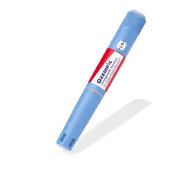
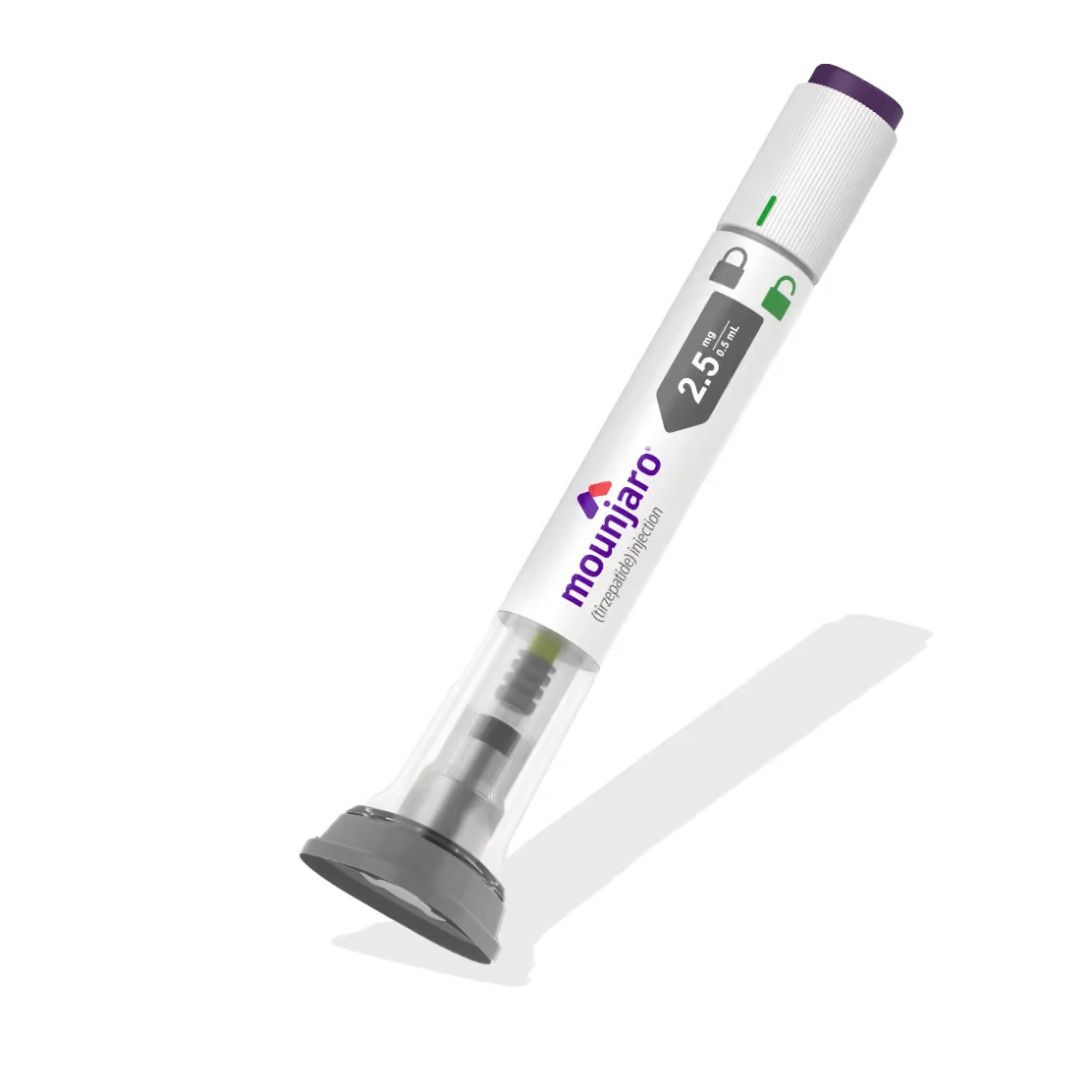
Mounjaro is administered as a once-weekly subcutaneous injection (into the fat layer of the skin) using a prefilled auto-injector pen.
It comes in six dose strengths: 2.5 mg, 5 mg, 7.5 mg, 10 mg, 12.5 mg, and 15 mg.
We wrote a comprehensive comparison of Wegovy, Ozempic, and Mounjaro.
Why Should You Consider Insurance Coverage for Mounjaro?
Because the Mounjaro's list price is approximately $1,069 for a 28-day supply (four pens), the annual cost may accumulate to $12,828.
Paying this amount over a long time may be a financial strain, and you must maintain this medication long enough to get your desired result.
Several factors affect what you actually pay:
For a deeper breakdown, see our guide on how much Mounjaro costs without insurance to learn more.
Does Insurance Cover Mounjaro?
It depends on your plan and diagnosis.
Most commercial insurance plans cover Mounjaro when prescribed for its FDA-approved indication like type 2 diabetes. Coverage in these cases typically requires prior authorization, but approval rates are relatively high when the diagnosis and documentation are clear.
But most plans don’t cover Mounjaro for off-label weight loss because:
If your provider prescribes Mounjaro off-label for weight loss and your plan denies it, you may still have options through appeals, alternative medications, or savings programs covered later in this guide.
Is Mounjaro Covered by Medicare?
Medicare Part D may cover Mounjaro, but only for type 2 diabetes.
Medicare generally doesn’t cover medications prescribed solely for weight loss.
This means that if your provider prescribes Mounjaro for blood sugar management in type 2 diabetes, your Part D plan may include it on its formulary.
And your out-of-pocket cost will depend on your plan's tier placement, deductible, and cost-sharing structure.
Reasons Medicare may deny coverage:
- Mounjaro is placed on a non-preferred or specialty tier with high cost-sharing.
- Your plan requires step therapy (trying other diabetes medications first).
- The prescription is for weight loss without a diabetes diagnosis.
- Prior authorization documentation is incomplete or insufficient.
- You have not met your Part D deductible.
Is Mounjaro Covered by Medicaid?
Medicaid coverage for Mounjaro varies by state.
Most state Medicaid programs cover Mounjaro for type 2 diabetes when prior authorization requirements are met.
Although a growing number of states are beginning to expand GLP-1 coverage to include obesity treatment, this remains the exception, not the rule.
Reasons Medicaid may deny coverage:
- Your state's Medicaid formulary does not include Mounjaro
- The prescription is for weight loss in a state that excludes anti-obesity medications
- Prior authorization requirements have not been fulfilled
- Step therapy requires you to try other diabetes medications first
- Documentation of medical necessity is incomplete
Like Medicare, Medicaid beneficiaries are not eligible for the Mounjaro Savings Card or other manufacturer copay programs.
How to Check if Your Insurance Covers Mounjaro
Before filing a prior authorization or scheduling an appointment, follow these three steps to check if your insurance actually covers Mounjaro:
1. Check Your Plan's Drug Formulary Online
Log in to your insurance company's website or app and search the drug formulary for "Mounjaro" or "tirzepatide."
The formulary will tell you whether the medication is covered, which tier it falls under (higher tiers mean higher copays), and whether prior authorization or step therapy is required.
If Mounjaro is not listed, it’s likely not covered under your current plan.
2. Call Your Insurance Company's Member Services
Call the number on the back of your insurance card and ask three specific questions:
- Is Mounjaro covered for my diagnosis?
- What is my estimated copay or coinsurance?
- Does coverage require prior authorization, and if so, what documentation is needed?
Write down the representative's name and reference number for your records.
3. Ask Your Pharmacy to Run a Test Claim
Before committing to a prescription, ask your pharmacist to run a test claim through your insurance.
This shows your actual out-of-pocket cost before you pay anything.
If the claim is rejected, the rejection code will tell you and your provider exactly what the insurer needs to approve coverage.
How to Get Insurance Coverage for Mounjaro
If your plan covers Mounjaro (or may cover it with proper documentation), follow these steps to maximize your chances of approval.
Step 1: Get a Prescription from Your Provider
Your provider needs to prescribe Mounjaro for a covered indication. For most plans, this means type 2 diabetes.
The prescription should include your diagnosis code (ICD-10), current HbA1c levels, and documentation of previous treatments tried.
Step 2: Submit a Prior Authorization Request
Your provider's office typically handles this.
The request goes to your insurer with supporting medical documentation: lab results, treatment history, and a clinical rationale for why Mounjaro is appropriate.
Response times may vary, but most insurers respond within 3-7 business days.
Step 3: Respond to Any Additional Requests
Insurers may ask for more documentation, such as proof that other diabetes medications were tried first (step therapy), updated lab work, or a letter of medical necessity from your provider.
So, revert and respond quickly. Delayed responses may result in automatic denial.
Step 4: Appeal if Denied
If the application is denied, you have the right to appeal, and some initial denials are overturned on appeal.
Your provider can submit a formal appeal letter with additional clinical evidence.
If the first appeal fails, most plans allow a second-level appeal or an external review by an independent third party.
Alternative Ways to Save on Mounjaro Without Insurance
If insurance will not cover Mounjaro, or if your copay remains too high even with coverage, several alternatives may bring costs down significantly.
1. Mounjaro Savings Card
Commercially insured patients may qualify for Eli Lilly's Mounjaro Savings Card, which may reduce their monthly cost to as low as $25.
Patients whose insurance does not cover Mounjaro may still receive up to $463 off per monthly fill. Not available for Medicare, Medicaid, or other government-funded plans.
2. Personalized GLP-1 Injections
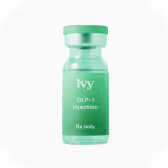
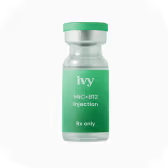
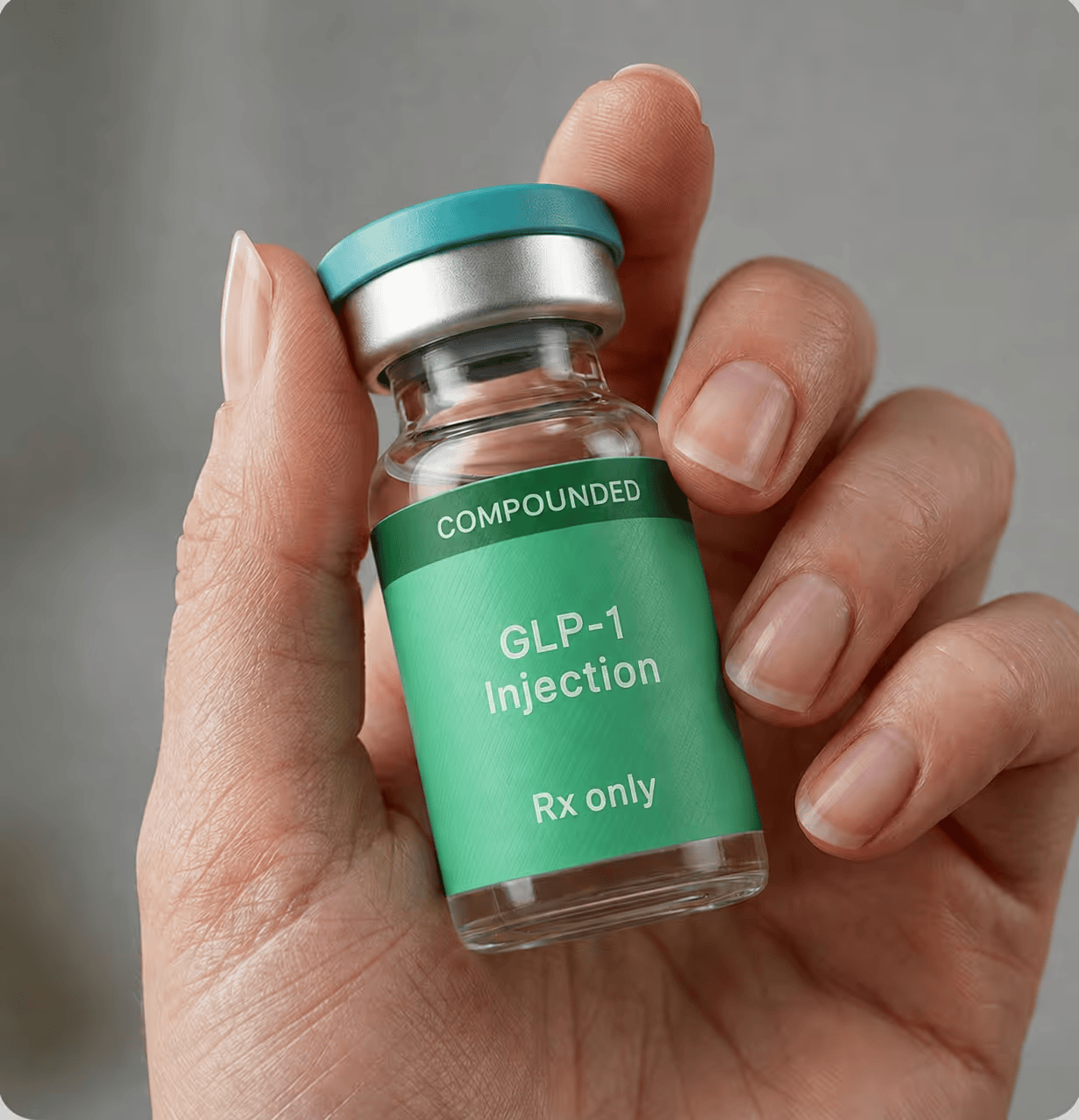
If brand-name pricing is the barrier, not the medication itself, Ivy Rx offers personalized GLP-1 injections starting at $175 monthly. Same active ingredients, no insurance required, free medical evaluation, and free medication delivery.
3. Zepbound Self-Pay Vials (LillyDirect)
Eli Lilly sells single-dose Zepbound vials directly to patients through LillyDirect at $349-$499/month, depending on dose.
Zepbound contains the same active ingredient as Mounjaro (tirzepatide). The vials require drawing the dose with a syringe rather than using a prefilled pen, but the savings are substantial compared to retail pricing.
4. Other Alternative Medications
Explore other GLP-1 options that may fit your budget and goals.
Semaglutide-based medications (Wegovy, Ozempic) target the GLP-1 receptor alone and may be covered by different formulary tiers. Wegovy also have straightforward insurance coverage details.
See our guides on Mounjaro alternatives to discover more options.
Get Started on Your Personalized Weight Loss Journey with Ivy Rx
Insurance coverage should not be the only path to treatment.
If you have checked your formulary, submitted prior authorization, and appealed a denial, Ivy Rx may offer another option. Ivy Rx provides medical evaluations, ongoing provider support, and Personalized GLP-1 Injections starting at $179/mo.
No insurance required. No prior authorization. Medication is shipped to your door.
Start your evaluation with Ivy Rx today.
FAQs
1. How long does Mounjaro's prior authorization take?
Typically, 3-7 business days. Some insurers offer expedited reviews in 24-72 hours for urgent cases. If you have not received a response after 10 days, contact your provider's office to follow up.
2. How much does Mounjaro cost with insurance?
Typically $25-$200/month for commercially insured patients whose plans cover the medication. With the Mounjaro Savings Card, eligible patients may pay as low as $25/month.
Without the savings card, speciality tier copays may run $150-$300.
3. What is the difference between Mounjaro and Zepbound?
Same active ingredient (tirzepatide), same manufacturer (Eli Lilly), same doses.
The difference is the FDA-approved indication: Mounjaro is approved for type 2 diabetes, Zepbound is approved for chronic weight management and obstructive sleep apnea. Your insurance coverage may differ depending on which one is prescribed.
4. Can I switch from Mounjaro to a cheaper alternative mid-treatment?
Yes, with provider guidance. Your provider may transition you to Zepbound self-pay vials, a semaglutide-based medication, or personalized GLP-1 injections, depending on your goals and budget.
Dose adjustments may be needed during the switch.


Ivy RX patients
Members of Ivy RX branded medications were paid for their testimonials.
- FDA. "FDA Approves New Medication for Chronic Weight Management." November 2023. https://www.fda.gov/news-events/press-announcements/fda-approves-new-medication-chronic-weight-management. Accessed 31st of April, 2026.
- Mounjaro Prescribing Information. FDA. https://www.accessdata.fda.gov/drugsatfda_docs/label/2022/215866s000lbl.pdf. Accessed 31st of April, 2026.
Related
Resources

How to Get Mounjaro Without Insurance in 2026
Start your weight loss journey without insurance. IvyRx delivers with expert care, affordable plans, and medical guidance.

How Much Is Mounjaro Without Insurance In 2026?
In 2026, Mounjaro without insurance costs can vary. Learn what affects the price, savings options, and alternatives to make treatment more affordable.

5 Mounjaro Alternatives for Weight Loss & Diabetes Treatment
Get the best Mounjaro alternatives for type 2 diabetes and weight loss in 2026. Expert insights on medications, lifestyle approaches, & switching safely.