












Article Outline
Start your personalized GLP-1 program


How to Get the Most Out of Semaglutide for Weight Loss
Semaglutide can reduce appetite, but it does not do the whole job for you. The results you get depend heavily on what you do while your appetite is lower.
The best way to get the most out of semaglutide is simple: take it consistently, eat enough protein and fiber, strength train, stay hydrated, manage side effects early, and give the medication enough time to work.
Below are the most useful semaglutide tips for better weight-loss results, fewer setbacks, and a smoother treatment experience.
How Semaglutide Works and Why Your Habits Decide Results
Semaglutide is a GLP-1 receptor agonist. It mimics a hormone involved in appetite, fullness, blood sugar, and digestion. In practical terms, semaglutide can help you feel full sooner, stay full longer, and reduce calorie intake without fighting constant hunger.
But semaglutide does not choose your meals, protect muscle automatically, or build your routine. Habits decide whether the lower appetite turns into steady fat loss, better energy, and results you can maintain.
For more on the early timeline, read how fast semaglutide works, when appetite suppression starts, and how much weight you can lose on semaglutide in 3 months.
9 Ways to Get the Most Out of Semaglutide
The best semaglutide results usually come from a repeatable routine, not extreme dieting. Use the medication to make better habits easier, then use those habits to protect your progress.
Way 1: Take Your Dose Consistently and Follow the Titration Plan
Consistency is one of the easiest ways to make semaglutide work better. Take your dose on the same day each week if you are using a weekly injectable form, set a reminder, and follow the dose schedule your clinician prescribed.
Do not rush to a higher dose because you want faster results. Semaglutide is usually titrated gradually to help your body adjust and reduce digestive side effects. Moving too fast can make nausea, vomiting, constipation, or reflux harder to manage.
Also, do not double up after a missed dose. Missed-dose rules can differ by product and prescription. The current Wegovy® label says that if the next scheduled injectable dose is more than 2 days away, you may take the missed dose as soon as possible. If the next dose is less than 2 days away, skip the missed dose and resume your regular schedule. Other semaglutide products may use different instructions, so follow your prescription label and ask your clinician if you are unsure.
Semaglutide injections are subcutaneous, meaning they go into fatty tissue under the skin, not muscle. A clinician or pharmacy team should explain the process before your first dose. This self-administration tutorial video can also help you see what the process looks like before starting.
For more help, read semaglutide dosage and how to inject semaglutide.
Way 2: Prioritize Protein and Fiber
Lower appetite can be helpful, but it can also make you accidentally under-eat the foods your body needs. Protein and fiber are the two anchors to protect.
A practical starting point is:
Protein helps protect lean mass during weight loss. Fiber supports fullness, digestion, and steadier meals. Together, they make it easier to eat less without feeling weak, constipated, or snacky all day.
The key is to plan protein first. If semaglutide makes you feel full quickly, do not fill up only on crackers, coffee, or a few bites of salad. Start with the protein, then add fiber-rich plants and carbohydrates you tolerate well.
A simple plate could be Greek yogurt with berries and chia, eggs with vegetables and whole-grain toast, tofu with rice and greens, or chicken with beans and roasted vegetables.
For more structure, use the semaglutide diet plan. If hunger still feels strong, read why you may still feel hungry on semaglutide.
Way 3: Strength Train to Protect Muscle
One tip many semaglutide lists do not explain well: the goal is not only to lose weight. It is to lose more fat while protecting as much muscle as possible.
Rapid weight loss can include both fat and lean mass. That can affect strength, energy, shape, and long-term maintenance. The American Diabetes Association’s obesity care guidance emphasizes protein intake and resistance training to help preserve lean mass during weight reduction.
Strength training does not need to be complicated. Start with 2 to 3 sessions per week if your clinician says exercise is appropriate for you. Focus on basic movements:
- Squats or sit-to-stands
- Hip hinges or deadlift patterns
- Rows
- Pushups or chest presses
- Step-ups
- Carries
- Core stability work
Add cardio too, but do not use cardio as punishment for eating. A steady routine of walking, cycling, swimming, incline treadmill, or another moderate activity can support weight loss and heart health. CDC guidance recommends at least 150 minutes of moderate-intensity activity each week, plus muscle-strengthening activity on 2 or more days.
Think of it this way: semaglutide helps reduce appetite. Strength training tells your body to keep muscle while you lose weight.
For a results-focused timeline, read this 6-week Ozempic® weight loss results guide.
Way 4: Hydrate and Mind Electrolytes
Hydration becomes more important when you are eating less. Smaller meals can mean less fluid from food, less sodium and potassium intake, and more risk of constipation, headaches, fatigue, or dizziness.
There is no perfect water target for everyone. Hydration needs vary by body size, activity, weather, sweating, medications, and health conditions. As a practical starting point, many adults aim for around 8 to 10 cups of fluids per day, then adjust based on thirst, urine color, activity, and clinician guidance. The National Academies report gives broader total-water benchmarks of about 2.7 L per day for women and 3.7 L per day for men, including water from food and beverages.
Hydration may also make common semaglutide side effects easier to manage. Wegovy® labeling lists nausea, diarrhea, vomiting, constipation, abdominal pain, dyspepsia, dizziness, and other digestive symptoms among common adverse reactions. When symptoms include vomiting or diarrhea, dehydration becomes a bigger concern.
Electrolytes can help too, especially if you are eating much less than before. Focus on food first:
- Bananas
- Sweet potatoes
- Spinach
- Beans
- Lentils
- Yogurt
- Nuts and seeds
- Avocado
- Broth or soups if tolerated
Use electrolyte drinks carefully if they contain a lot of sugar or if you have high blood pressure, kidney disease, heart disease, or a fluid restriction. In those cases, ask your clinician what is safe.
For more help with nausea, constipation, and other GI symptoms, read ways to manage semaglutide side effects.
Way 5: Sleep, Manage Stress, and Eat Mindfully
Sleep and stress can change how hungry you feel, how often you snack, and how easy it is to stay consistent.
Aim for 7 or more hours of sleep most nights. A joint AASM and Sleep Research Society statement recommends 7 or more hours per night for adults to support overall health. If your sleep is short or broken, cravings and late-night eating can feel harder to manage even when semaglutide is working.
Stress needs attention too. When you are tired, anxious, or overwhelmed, it is easier to eat quickly, skip meals, or graze without noticing fullness.
Try a simple mindful eating routine:
- Eat without scrolling when possible.
- Slow down the first 5 minutes of the meal.
- Use smaller first portions.
- Pause before going back for more.
- Stop when comfortably full, not stuffed.
Semaglutide can help lower appetite, but these habits help you notice and use that appetite control more effectively.
Way 6: Limit Alcohol
Cutting back on alcohol can help your semaglutide results without turning your routine into a strict diet.
Alcohol can add calories quickly, lower food restraint, disrupt sleep, and make nausea or reflux harder to manage for some people. MedlinePlus notes that alcohol contains empty calories and can work against weight-loss efforts in its weight-loss resource.
There is also a safety reason to be cautious. Wegovy® labeling includes a warning about acute pancreatitis, and NIDDK lists heavy alcohol use as a pancreatitis risk factor. That does not mean every person taking semaglutide must avoid alcohol completely, but it does mean heavy drinking is worth discussing with a licensed clinician.
A practical approach:
- Avoid alcohol during early dose increases if nausea is active.
- Do not drink on an empty stomach.
- Choose lower-sugar options when you do drink.
- Watch whether alcohol triggers reflux, overeating, or next-day cravings.
- Ask your clinician what is safe if you have a history of pancreatitis, gallbladder disease, diabetes, liver disease, or kidney disease.
Frame this as a results-and-safety habit, not a moral rule.
Way 7: Manage Side Effects So You Can Stay Consistent
The best semaglutide plan is the one you can actually stay on. If side effects make you dread every dose, your results can suffer.
Common side effects include nausea, diarrhea, vomiting, constipation, abdominal pain, dyspepsia, dizziness, and fatigue, according to Wegovy® prescribing label information. Many people notice symptoms most during dose increases.
Try these first-line habits for mild GI symptoms:
Ginger tea, crackers, rice, soup, yogurt, bananas, toast, or small protein-forward meals may be easier during rough days. But do not keep pushing through severe symptoms.
Call a clinician if you have repeated vomiting, signs of dehydration, severe abdominal pain, pain that spreads to the back, yellowing of the skin or eyes, fainting, or symptoms that keep getting worse.
For more support, read ways to manage semaglutide side effects. If results have stalled, this guide on semaglutide not working can help you troubleshoot the next step.
Way 8: Track Progress Beyond the Scale
The scale is useful, but it is not the whole story. Your weight can bounce from water, sodium, constipation, menstrual-cycle changes, travel, soreness, and normal day-to-day variation.
Track a few signals together:
- Weekly weight trend
- Waist measurement
- Progress photos
- Protein and fiber intake
- Steps or workouts
- Hunger and cravings
- Energy
- Sleep
- Side effects
- Clothing fit
- Strength or stamina
CDC weight-maintenance guidance also points to monitoring habits like weight, physical activity, steps, and fruit and vegetable intake.
Tracking is not about obsessing. It helps you and your clinician see what is working. For example, if your weight has not changed but your waist is smaller, and your strength is improving, the plan may still be moving in the right direction. If your appetite is high, protein is low, and side effects are making workouts difficult, the plan may need adjustment.
Take the same kind of progress photo once a month, measure your waist every 2 to 4 weeks, and look at your average weight trend instead of one weigh-in.
For early visual and non-scale changes, read semaglutide before and after 1 month.
Way 9: Set Realistic Goals and Be Patient
Semaglutide results usually build over months. Appetite may change in the first few weeks, but visible weight loss often becomes clearer as your dose increases and your habits become more consistent.
A healthy pace is often about 1 to 2 pounds per week. CDC guidance notes that people who lose weight gradually and steadily are more likely to keep it off than people who lose weight quickly.
That pace may feel slow if you expected dramatic change right away. But steady weight loss is often easier to tolerate, easier to maintain, and less likely to push you into crash dieting.
Use this expectation guide:
Do not respond to a slow week by starving yourself or rushing your dose. Check consistency first: missed doses, protein, fiber, water, alcohol, sleep, stress, movement, constipation, and side effects.
For timeline support, read how much weight you can lose on semaglutide in 3 months and how to keep weight off after semaglutide.
Start Your Weight Loss Journey with Ivy Rx
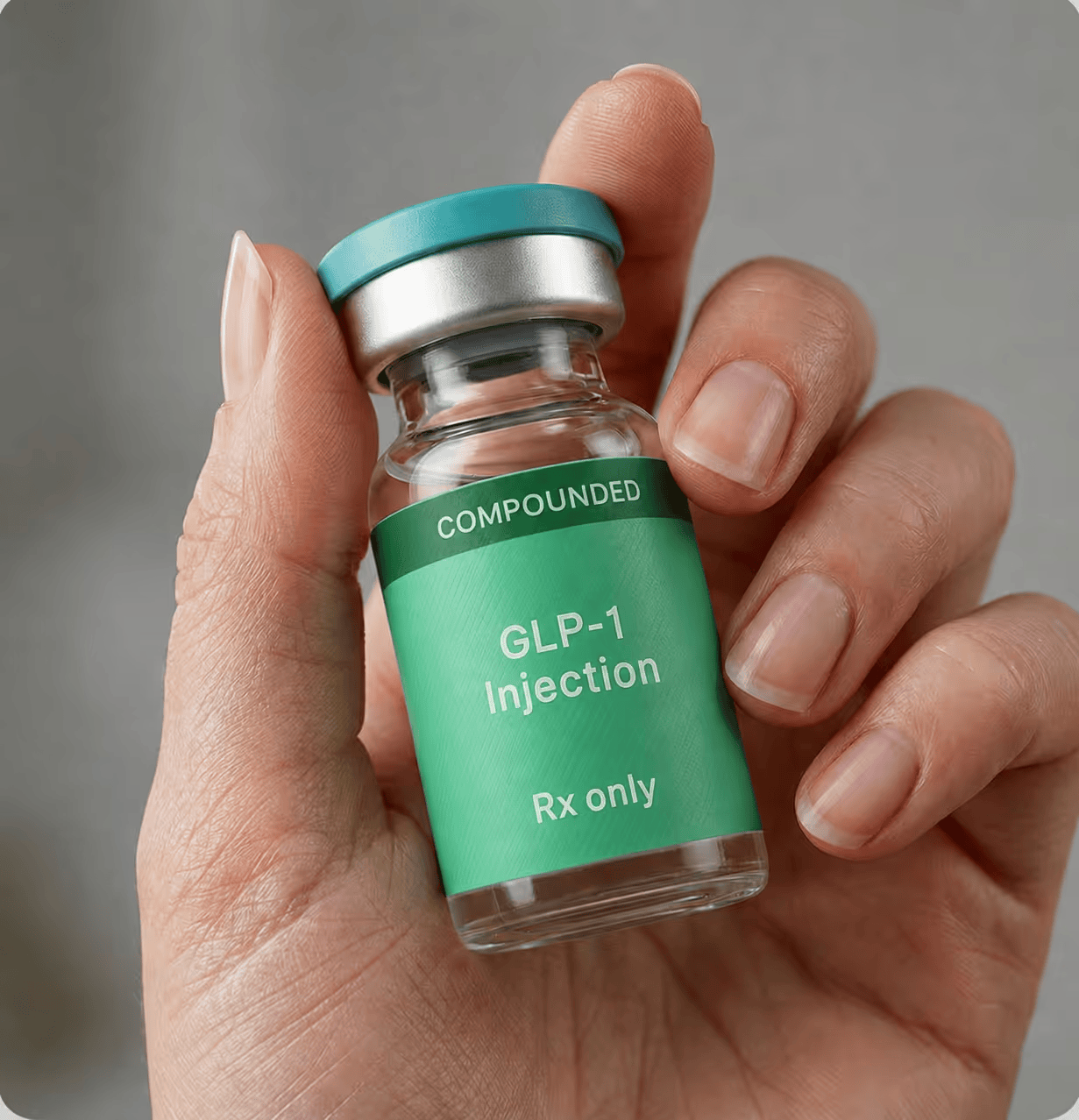
If you want a prescription-based GLP-1 pathway with clear support, Ivy Rx offers Compounded GLP-1 Injections for eligible patients through online intake and licensed clinician review.
If prescribed, treatment includes licensed pharmacy dispensing, temperature-controlled shipping, follow-up support, no insurance requirement, and transparent pricing with a Rate Lock Guarantee (so the cost stays consistent over dose titrations).
Start your online visit to see whether Compounded GLP-1 Injections or a lower-dose Microdose GLP-1 plan is appropriate for your goals.
FAQs
How can I speed up weight loss on semaglutide?
Start with consistency. Take your dose as prescribed, eat enough protein and fiber, strength train, hydrate, sleep well, and ask your clinician before changing the dose.
What should I eat to get the most out of semaglutide?
Prioritize protein, vegetables, fruit, beans, lentils, whole grains, and fluids. Use this semaglutide diet plan for more structure.
How long does it take to see results from semaglutide?
Often, appetite changes appear within the first few weeks. Visible weight loss usually builds over 1 to 3 months as dosing, nutrition, and activity become consistent.
How much water should you drink on semaglutide?
About 8 to 10 cups of fluids daily works for many adults, but needs vary by size, activity, weather, side effects, and medical history. Ask your clinician if you have restrictions.
Why is my semaglutide not working?
Sometimes the issue is dose timing, missed doses, low protein, constipation, sleep, alcohol, stress, or unrealistic timelines. Review semaglutide not working before your next clinician check-in.
Disclaimer: Clinical research, prescribing-label details, nutrition targets, exercise recommendations, hydration guidance, side effect information, product availability, pricing, and treatment expectations in this article were reviewed in September 2026 and may change. This article is for informational purposes only and does not replace medical advice. Always confirm current eligibility, dosing instructions, pharmacy details, medication availability, pricing, and program terms with a licensed clinician before starting or changing treatment.


Ivy RX patients
Members of Ivy RX branded medications were paid for their testimonials.
- https://dailymed.nlm.nih.gov/dailymed/drugInfo.cfm?setid=ee06186f-2aa3-4990-a760-757579d8f77b
- https://doi.org/10.2337/doci25-0008
- https://www.cdc.gov/physical-activity-basics/guidelines/adults.html
- https://www.nationalacademies.org/news/report-sets-dietary-intake-levels-for-water-salt-and-potassium-to-maintain-health-and-reduce-chronic-disease-risk
- https://pmc.ncbi.nlm.nih.gov/articles/PMC4434546/
- https://medlineplus.gov/ency/patientinstructions/000889.htm
- https://www.niddk.nih.gov/health-information/digestive-diseases/pancreatitis/definition-facts
- https://www.cdc.gov/healthy-weight-growth/losing-weight/keeping-it-off.html
- https://www.cdc.gov/healthy-weight-growth/losing-weight/index.html
Related
Resources

Semaglutide Not Working? 11 Reasons & Solutions to Progress
If Semaglutide isn’t delivering the results you expected, here are key reasons why and expert-recommended solutions to improve your progress.
Complete Guide to Semaglutide Dosage For Weight Loss: Dosage Schedule & Adjustments (+Chart)
Ensure proper semaglutide usage with our dosage chart, adjustment tips, and helpful advice on what to do when you miss a dose.

How to Keep Weight Off After Semaglutide (Proven Tips)
Worried about weight regain after semaglutide? Learn proven strategies to maintain your results, control appetite, and avoid rebound weight gain.