











Article Outline
Start your personalized GLP-1 program


How to Travel With Compounded Semaglutide Safely in 2026
Traveling with compounded semaglutide is allowed, but it takes more planning than packing a bottle of pills. The main risks are heat, freezing, lost luggage, and customs rules abroad. TSA lets you bring medically necessary liquids and syringes through security if you tell the officer first.
This guide covers the rules you need to know, how to keep your medication cold, how to pack it, and the travel mistakes that can make it unusable. It ends with a checklist you can use before every trip.
Can You Travel With Compounded Semaglutide?
Yes, you can travel with compounded semaglutide in the U.S. and in many other countries. TSA allows larger amounts of medically necessary liquids in reasonable quantities, as long as you declare them for inspection. Unused syringes are allowed when you carry them with injectable medication.
International travel has different rules. The CDC notes that each country has its own laws about medicines, and a drug that is common in the U.S. may be restricted elsewhere. Breaking those laws can lead to penalties and your medicine being taken away.
- Domestic flights: Declare your vials, syringes, and ice packs at the TSA checkpoint.
- International flights: Check with the embassy of your destination and every layover country.
- Road trips: No security rules apply, but car heat is the biggest risk.
- Cruises: Ask the cruise line whether cabins have a refrigerator for medicine.
It helps to know how the medicine works before you plan around it. This guide on what semaglutide does to your body explains the basics.
Does Compounded Semaglutide Need Refrigeration While Traveling?
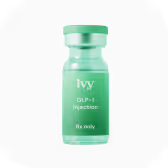
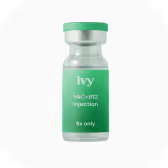
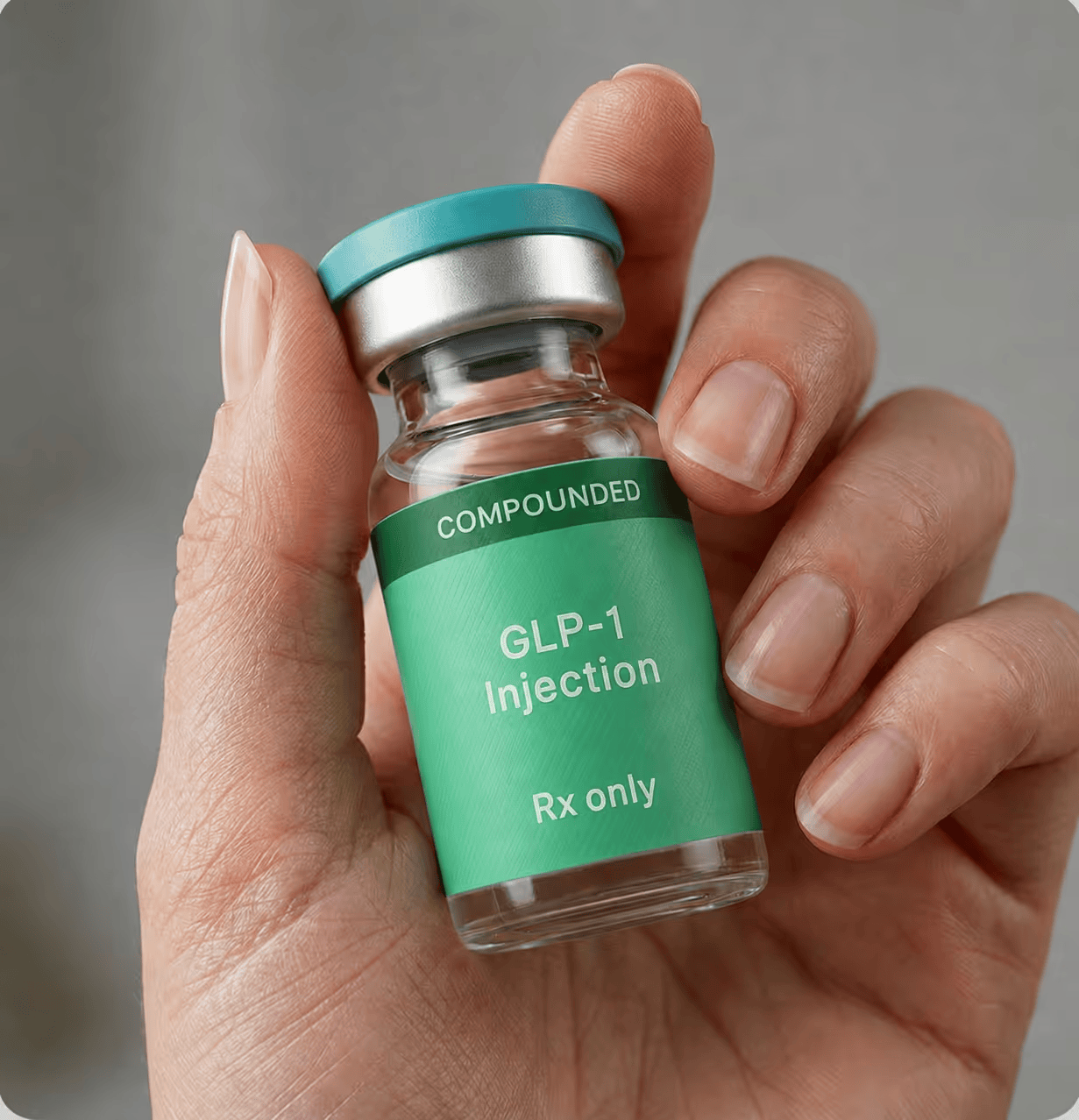
Yes, in most cases compounded semaglutide needs to stay cold while you travel. Follow the storage instructions printed on your pharmacy label, because room-temperature limits can differ between formulations. Ivy Rx ships its GLP-1 medication in temperature-controlled packaging for this reason.
Brand-name products give a useful comparison, but their limits do not automatically apply to compounded vials. Novo Nordisk lists these storage rules for its semaglutide products:
What Heat and Freezing Do
- Heat can weaken the medication. Novo Nordisk says Ozempic® should be used only if it has not been exposed to temperatures above 86°F.
- Freezing can damage it. Wegovy® should not be used if it has been frozen, and the same caution applies to compounded vials.
- Light can affect it. Keep vials in their original box or a dark case.
What to Do if Semaglutide Gets Warm During Travel
- Check the liquid. Do not use it if it looks cloudy, has particles, or has changed color.
- Check how long and how hot. Note the time and temperature as closely as you can.
- Call your pharmacy. Ask whether the vial is still safe to use, based on its formulation.
- Contact your clinician. Ask whether to skip, delay, or replace your dose.
Your dose schedule matters when planning a trip. The semaglutide dosage guide explains how doses rise over time, and the Ivy Rx guide to compounded semaglutide expiration covers beyond-use dates.
Best Ways to Pack Semaglutide for Travel
The safest way to pack semaglutide is in your carry-on, inside an insulated case, with a thermometer and your prescription label. The five ways below cover the full packing process.

1. Keep It in Your Carry-On
Pack your vials and supplies in your carry-on or personal item. TSA recommends packing medicine in your carry-on so you can reach it when you need it.
The CDC also advises packing medicine in a carry-on in case your luggage is lost or delayed. In the cargo hold, checked bags can get very cold or very hot, depending on the aircraft and the time on the ground.
2. Use an Insulated Case With Ice Packs
Place your vials in an insulated medical travel case with frozen ice packs. TSA allows ice packs, gel packs, and freezer packs at the checkpoint in a frozen, partially frozen, or melted state when they keep medicine cool.
Wrap the vials in a cloth or sleeve so they do not touch the ice packs directly. Direct contact can freeze the medication.
3. Keep Vials in Their Labeled Box
Keep each vial in its original pharmacy box with the prescription label. TSA does not require labels, but it recommends them to speed up screening. The label also shows your name, the medication, and the beyond-use date. Customs officers abroad may ask to see it.
4: Pack Supplies Separately
Pack syringes, alcohol swabs, and a small sharps container in a clear pouch. TSA allows used syringes when they are stored in a sharps disposal container or similar hard container.
Bring a few extra syringes in case one is dropped or damaged. Pack enough medication for your trip plus a few days in case of delays.
5: Carry Your Prescription and a Clinician's Letter
Bring a copy of your prescription and a letter from your clinician that lists your medication and why you take it. The CDC notes that many countries require a prescription or medical certificate for certain medicines.
Ask your clinician to include the generic name, semaglutide, on the letter. Brand names can differ between countries.
For injection timing and technique on the road, see how to inject semaglutide. If you are comparing medications before a long trip, our guide on semaglutide vs tirzepatide explains the dosing differences.
TSA Rules for Traveling With Semaglutide
TSA allows injectable semaglutide, syringes, and ice packs through security, but you must declare them. Tell the officer at the start of screening, and place your medical items in a separate bin. The rules below were current as of October 2026.
- Liquids: Medically necessary liquids are allowed in amounts larger than 3.4 ounces. They do not need to go in a zip-top bag.
- Syringes: Unused syringes are allowed when carried with injectable medication.
- Ice packs: Ice packs are allowed frozen, partly frozen, or melted when used to keep medicine cool.
- Screening: Your items may need extra screening. If an item sets off an alarm that cannot be resolved, it may not be allowed.
- Final decision: The TSA officer makes the final decision on what is allowed.
Carry-On vs. Checked Luggage: Where Should You Store It?
Store semaglutide in your carry-on. TSA allows medication in both carry-on and checked bags, but it highly recommends a carry-on in case you need your medicine quickly. A carry-on also lets you control the temperature and keep your medication with you if a flight is delayed.
TSA also runs TSA Cares, a support line for travelers with medical conditions. It can explain what to expect at the checkpoint before your flight.
Travel Mistakes That Can Ruin Semaglutide
Most travel problems with semaglutide come from heat, freezing, or poor planning around doses. These five mistakes are the most common and the easiest to avoid.
1. Leaving It in a Parked Car
A parked car can get much hotter than 86°F within a short time on a warm day. Never leave your vials in the car, including the glove box or trunk. If you must stop, take the insulated case with you. Keep the car air conditioning on while you drive.
2. Putting Vials Directly on Ice
Direct contact with ice packs can freeze the medication. Wegovy® should not be used if it has been frozen, and you should treat a compounded vial the same way. Wrap vials in cloth or use a case with a separate compartment. Check that the liquid stays clear before each dose.
3. Packing Medication in Checked Luggage
Checked bags can be lost or delayed, and the cargo hold may be very cold. If your bag is lost, you may miss doses or need an emergency refill abroad. Keep your vials and supplies in your carry-on for every flight.
4. Missing Doses Across Time Zones
Semaglutide is a weekly dose, and time zones can make it hard to remember which day to take it. The Wegovy® label says to take a missed dose as soon as you can if your next dose is more than two days away.
If your next dose is less than two days away, skip the missed dose and wait for your usual day. Set a phone reminder in your home time zone before you leave.
5. Stopping Treatment for Two Weeks or More
The June 2026 Wegovy® label says if you miss two or more doses in a row, you should start again at a lower dose and increase it over time. The label says this lowers the risk of stomach side effects. Your compounded prescription may have its own instructions, so ask your clinician which steps apply to you.
The Wegovy® label says semaglutide stays in the blood for about five to seven weeks after the last 2.4 mg or 7.2 mg dose. This means the medicine does not leave your body as soon as you miss a dose. This guide on how long semaglutide stays in your system explains the timeline.
Travel Essentials Checklist for Semaglutide Users
Use this checklist the day before you leave. It covers the items that matter most for safe storage, security, and customs.
- Enough vials for your trip, plus a few extra days
- Insulated medical travel case with ice packs
- Small digital thermometer
- Cloth or sleeve to keep vials off direct ice
- Syringes, alcohol swabs, and a sharps container
- Vials in their original labeled pharmacy boxes
- Printed prescription and a clinician's letter with the generic name
- Destination and layover country medicine rules, checked in advance
- Weekly dose reminder set in your home time zone
- Contact details for your pharmacy and clinician
📥 Download the Free Checklist (PDF)
Get Ongoing GLP-1 Support With IvyRx
Travel is easier when you know who to call if your medication gets warm, a dose is missed, or a vial is damaged. Ivy Rx pairs your GLP-1 treatment with a licensed clinician and a support team you can reach through the patient portal. Your medication ships from a licensed pharmacy in temperature-controlled packaging, with clear storage instructions on the label.
FAQs
How long can compounded semaglutide stay unrefrigerated?
It depends on the formulation, so check your pharmacy label or call your pharmacy for the exact limit. Before the cap is removed, brand-name Wegovy® pens can be kept at 46°F to 86°F for up to 28 days. Compounded vials may have a different limit.
Can I take my semaglutide on the plane?
Yes. TSA allows injectable semaglutide, syringes, and ice packs in your carry-on. Declare them to the officer at the start of screening.
Can I skip a week of semaglutide for vacation?
Sometimes, but ask your clinician first. One missed dose is usually handled by waiting for your next scheduled day. Missing two or more doses may mean restarting at a lower dose.
Do I need a doctor's note to fly with semaglutide?
No, not for U.S. domestic flights. TSA does not require one. For international travel, a clinician's letter and prescription can help at customs.
Can I inject semaglutide during a flight?
Yes, if it is your scheduled dose day. Wash your hands, clean the site, and store the used syringe in your sharps container.
Disclaimer: Research findings, regulatory details, prescribing-label information, safety guidance, product availability, pricing, and treatment expectations in this article were reviewed in September 2026 and may change. This article is for informational purposes only and does not replace medical advice. Always confirm current product details, eligibility, dosing instructions, pharmacy or supplement sourcing, and program terms with a licensed clinician before starting treatment.


Ivy RX patients
Members of Ivy RX branded medications were paid for their testimonials.
- https://www.tsa.gov/travel/tsa-cares/disabilities-and-medical-conditions
- https://www.tsa.gov/travel/security-screening/whatcanibring/items/medications-liquid
- https://tsa.gov/travel/security-screening/whatcanibring/items/unused-syringes
- https://tsa.gov/travel/travel-tips/can-you-pack-your-meds-pill-case-and-more-questions-answered
- https://tsa.gov/travel/security-screening/whatcanibring/medical
- https://wwwnc.cdc.gov/travel/page/travel-abroad-with-medicine
- https://www.novonordiskmedical.com/product-information/storage-and-stability/glp-1-ras.html
- https://www.accessdata.fda.gov/drugsatfda_docs/label/2026/215256s025lbl.pdf
Related
Resources

Traveling with Compounded GLP-1 Medications
The use of compounded GLP-1 medications seems to have some advantages in some circumstances. These medications may benefit patients who require...

Compounded Semaglutide Expiration: Shelf Life, Storage & Safety Tips
Is your compounded semaglutide still effective? Learn about its shelf life, ideal storage conditions, and key safety tips to avoid potency loss and health risks!

Complete Guide to Semaglutide Dosage For Weight Loss: Dosage Schedule & Adjustments (+Chart)
Ensure proper semaglutide usage with our dosage chart, adjustment tips, and helpful advice on what to do when you miss a dose.