















.avif)






Article Outline
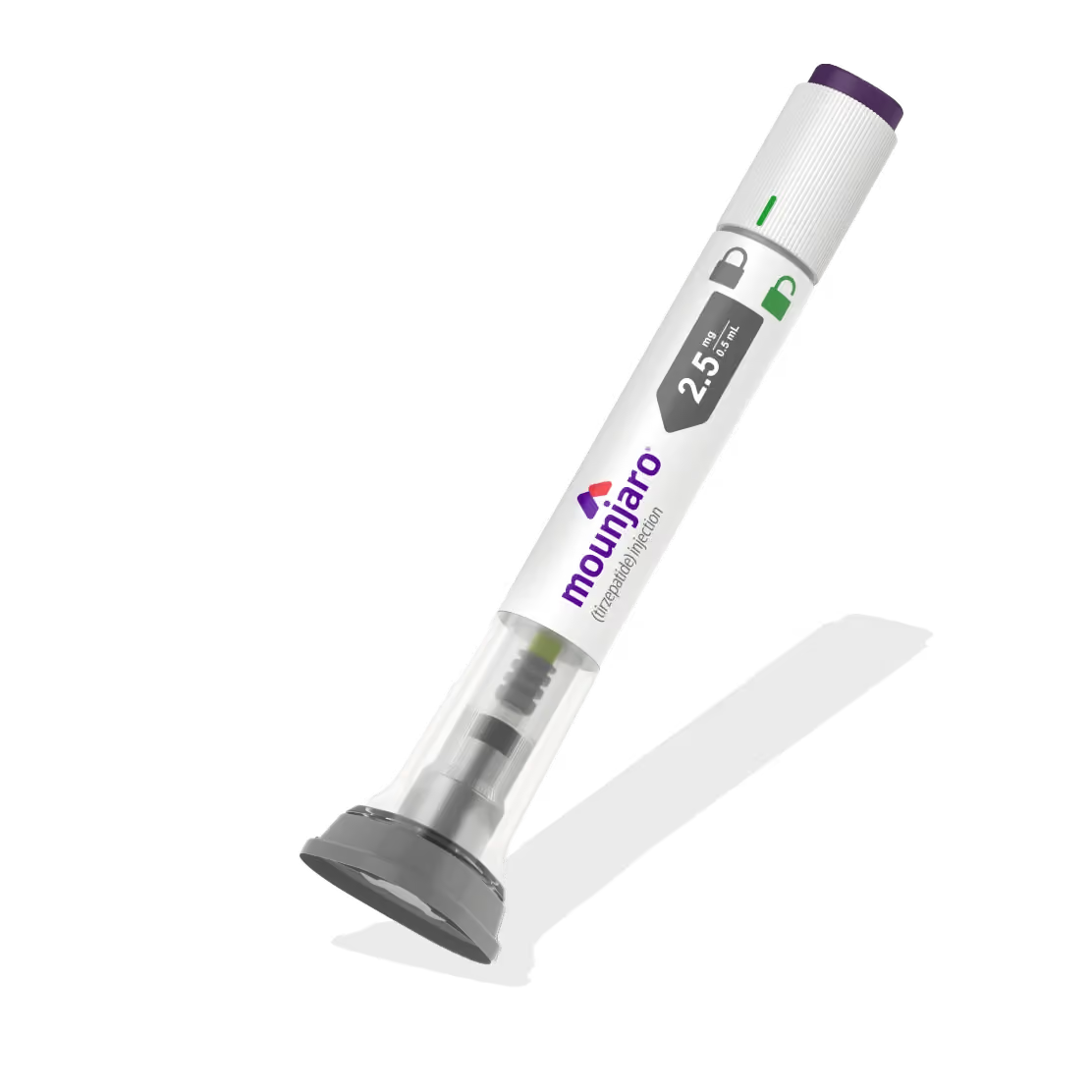
Lose weight with Mounjaro


Mounjaro Side Effects and 5 Tips to Manage Symptoms Fast
The perks of taking Mounjaro have two sides. There is a part where you feel lighter and healthier. And then, the nausea after dinner.
The bathroom trips you didn't expect. That strange feeling of constipation even after three bites of toast.
Most of these side effects are common. It’s an indication that your body is adjusting to the medication.
This article explains every possible side effect you may experience with Mounjaro, and 5 tips to manage these symptoms fast.
Why Mounjaro Causes Side Effects
Mounjaro contains tirzepatide as an active ingredient; this ingredient contains two gut hormones called GLP-1 and GIP.
The hormones regulate blood sugar, reduce appetite, and slow digestion.
So when Mounjaro slows the rate at which your stomach empties food, your digestive system works extra hard to complete the process.
That is why nausea, bloating, and changes in bowel habits are the most common side effects of tirzepatide.
Most Common Mounjaro Side Effects
The side effects below showed up most frequently in clinical trials. Most are digestive, mild, and temporary.
1. Nausea
Nausea is a commonly reported Mounjaro side effect. For some people, nausea is worst in the first 1 to 2 weeks after starting or increasing a dose. It typically fades as your body adjusts.
2. Diarrhea
Experiencing diarrhea is related to how tirzepatide alters gut motility throughout the digestive tract, and different patients respond differently. Your digestive system may speed up or slow down unevenly as it adapts.
Stay hydrated if this happens. Persistent diarrhea may lead to dehydration, so drinking water and electrolyte-rich fluids throughout the day matters.
3. Constipation
Slowed stomach emptying does not just cause nausea. It may also slow your entire digestive tract, leading to constipation.
This side effect is less talked about but still common. Eating fiber-rich foods like vegetables, fruits, and whole grains may help keep things moving.
4. Vomiting
About 1 in 10 people taking Mounjaro reported vomiting in clinical trials. It is closely linked to nausea and is more likely at higher doses.
If vomiting is persistent or severe, contact your provider.
Frequent vomiting may lead to dehydration and could signal a more serious issue like pancreatitis.
5. Decreased Appetite
This one is technically a desired effect. Mounjaro reduces hunger signals, which is part of how it supports weight loss.
But for some people, the appetite suppression feels more intense than expected.
You might forget to eat or feel full after a few bites. Make sure you are still eating balanced, nutrient-dense meals even when you do not feel hungry.
6. Bloating and Gas
Carbonated drinks, high-fiber meals eaten too quickly, and large portions may make this worse. Eating slowly and sticking to smaller meals throughout the day may reduce bloating noticeably.
Less Common Side Effects
These side effects affect a smaller percentage of Mounjaro users but are still worth knowing about.
1. Heartburn and Acid Reflux
Slowed digestion may allow stomach acid to back up into the esophagus, especially after large meals.
Avoid eating close to bedtime. Stay upright for at least 2 hours after meals. Spicy, fried, and acidic foods may trigger or worsen reflux symptoms.
2. Injection Site Reactions
Some Mounjaro users reported redness, itching, or mild pain at the injection site. These reactions are usually short-lived.
Rotating your injection site each week (abdomen, thigh, upper arm) may help reduce irritation. If swelling or redness persists beyond a few days, tell your provider.
3. Fatigue
Some users report feeling more tired than usual, particularly in the first few weeks. Your body is adjusting to lower calorie intake and metabolic changes.
Eating enough protein and staying hydrated may help. If fatigue is severe or does not improve, check in with your provider.
4. Hair Thinning
Rapid weight loss from any cause, not just Mounjaro, may trigger temporary hair thinning. This happens because your body redirects nutrients during periods of significant calorie reduction.
It is usually temporary. Eating adequate protein and considering a multivitamin may support hair health during weight loss.
Serious Side Effects to Watch For
Serious side effects from Mounjaro are rare. But they do exist, and knowing the warning signs could protect your health.
1. Pancreatitis
Pancreatitis is inflammation of the pancreas. In clinical trials, it occurred at rates similar to placebo (around 0.3% to 0.4%). Still, it is a serious condition.
The hallmark symptom is severe abdominal pain that does not go away and may radiate to your back.
If you experience this alongside vomiting, stop taking Mounjaro and seek emergency care immediately.
People with a history of pancreatitis, high triglycerides, or gallstones face a higher risk and should discuss this with their provider before starting treatment.
2. Gallbladder Problems
Rapid weight loss from any source may increase gallstone risk.
Watch for intense upper abdominal pain, especially after eating fatty foods. Nausea, bloating, and pale-colored stools are other signs.
If symptoms appear, your provider may order imaging to check for gallstones.
3. Kidney Injury
Mounjaro does not directly harm the kidneys. But severe, persistent diarrhea or vomiting may cause dehydration, and dehydration stresses your kidneys.
Signs include reduced urination, swelling in the feet or ankles, and unusual fatigue. Staying hydrated is the simplest way to protect kidney function.
People with existing kidney conditions should be monitored closely while on treatment.
4. Thyroid Tumors (Boxed Warning)
Mounjaro carries an FDA boxed warning about thyroid tumors. In animal studies, tirzepatide caused thyroid tumors, including cancer, in rats.
It’s not yet known whether this risk applies to humans.
Tell your doctor if you notice a lump in your neck, difficulty swallowing, or persistent hoarseness.
If you or a family member has a history of medullary thyroid carcinoma (MTC) or Multiple Endocrine Neoplasia syndrome type 2 (MEN 2), Mounjaro is not recommended.
5. Severe Allergic Reactions
Allergic reactions occurred in roughly 3% to 4% of Mounjaro users in clinical trials. Most were mild, but serious reactions are possible.
Seek emergency help if you notice swelling of the face, lips, or throat, difficulty breathing, rapid heartbeat, or a severe rash.
If you have a history of reactions to GLP-1 medications, let your provider know before starting Mounjaro.
Foods That Can Make Side Effects Worse
Mounjaro slows your digestion. That means certain foods sit in your stomach even longer than usual, which may amplify nausea, bloating, and discomfort.
1. Fried and Greasy Foods
Greasy foods are already slow to digest. Add Mounjaro's effect on stomach emptying, and you have a recipe for nausea, cramping, and bloating. French fries, fried chicken, and heavy cream sauces are common triggers.
Swap fried options for baked, grilled, or steamed alternatives. Your stomach will handle them far more easily while you adjust to the medication.
2. Sugary Foods and Drinks
Candy, soda, pastries, and sweetened coffee drinks may spike your blood sugar and counteract what Mounjaro is designed to do. High-sugar foods also worsen nausea for some users.
Choose whole fruits instead of processed sweets. If you crave something sweet, a small piece of dark chocolate or a handful of berries is a better option.
3. Carbonated Beverages
Fizzy drinks introduce extra gas into an already sluggish digestive system. The result? More bloating, burping, and abdominal discomfort.
Switch to still water, herbal tea, or water infused with fruit. If you are used to sparkling water, try reducing your intake gradually, especially during the first few weeks on Mounjaro.
4. Spicy Foods
Spicy meals may irritate your stomach lining and loosen the esophageal sphincter, making heartburn and acid reflux worse.
If you already experience Mounjaro side effects like indigestion, spicy food may intensify those symptoms.
This does not mean you have to give up spice forever. But dialling it back while your body adjusts to the medication is a smart move.
When Do Mounjaro Side Effects Start and Stop?
Most people notice side effects within the first week of starting Mounjaro or after a dose increase.
Here is a general Mounjaro side effects timeline:
- Week 1 to 2: Side effects are most noticeable. Nausea, reduced appetite, and mild digestive changes are typical.
- Week 3 to 4: Symptoms often begin to settle. Your body starts adapting to the medication's effects on digestion and appetite.
- After dose increases: Side effects may briefly return each time your dose goes up. This is normal and usually shorter-lived than the initial adjustment.
- Long term: Most common side effects fade entirely within 4 to 8 weeks. If symptoms persist or worsen after several weeks, your provider may adjust your dose or explore alternatives.
Everyone responds differently. Some people breeze through with no symptoms at all. Others need more time and support to find their comfort zone.
5 Tips to Manage Mounjaro Side Effects
You do not have to push through the adjustment period without support. These strategies may reduce side effects and make your experience smoother.
1. Eat Smaller, More Frequent Meals
Large meals overwhelm a stomach that is emptying more slowly. Instead of three big meals, try eating 4 to 5 smaller portions throughout the day.
Stop eating as soon as you feel full. This may happen much sooner than you expect. Pushing past that signal is one of the fastest ways to trigger nausea.
2. Stay Hydrated
Dehydration worsens nearly every Mounjaro side effect, from nausea to constipation to fatigue. Aim for at least 8 glasses of water daily.
Sip water throughout the day rather than drinking large amounts at once.
If you’re dealing with diarrhea or vomiting, add an electrolyte drink to replace lost minerals.
3. Choose Bland, Easy-to-Digest Foods
During the first few weeks, lean toward gentle foods: plain rice, toast, bananas, chicken breast, and broth-based soups. These are easier on your stomach and less likely to provoke nausea.
As your body adjusts, gradually reintroduce more variety. There is no need to follow a restrictive diet long-term.
4. Avoid Eating Close to Bedtime
Lying down with a full stomach when digestion is already slow is a recipe for heartburn and reflux.
Finish your last meal at least 2 to 3 hours before bed.
If nighttime nausea is an issue, try sleeping with your head slightly elevated. Some people also find that switching injection days to align with their schedule helps.
5. Work with a Provider Who Monitors Your Progress
Side effect management is not one-size-fits-all. A provider who tracks your symptoms, adjusts your dose gradually, and offers nutrition guidance makes a real difference.
Telehealth providers like Ivy Rx offer personalized GLP-1 injections with ongoing medical evaluation, dosing guidance, and support to help reduce side effects and improve results.
Starting at $175 per month, you get a care team that works with you through every stage of treatment.

Who Is More Likely to Experience Side Effects?
Not everyone reacts to Mounjaro the same way. Some factors may increase your chances of experiencing side effects.
- Higher starting doses carry more side effect risk. That is why most treatment plans begin at 2.5 mg and increase every 4 weeks.
- People with a history of digestive issues like gastroparesis, IBS, or chronic nausea may be more sensitive to Mounjaro's effects on gut motility.
- Those with a gallbladder or pancreatic history should discuss risk factors with their provider before starting. Rapid weight loss may trigger gallstone formation, and a history of pancreatitis raises concerns.
- Pregnant or breastfeeding individuals shouldn’t take Mounjaro to avoid possible fetal risks, and the medication should be stopped at least 2 months before a planned pregnancy.
If side effects become severe or unmanageable, your provider may lower your dose, extend the time between increases, or explore switching from Mounjaro to semaglutide as an alternative.
Get a Personalized GLP-1 Weight Loss Plan with Ivy Rx
Side effects are easier to handle when someone is adjusting your dose, answering your questions, and checking in as your body adapts.
That is what changes the experience from guessing to guided.
Ivy Rx provides medical evaluation, ongoing dosing adjustments, and nutritional guidance built around how your body actually responds.
Treatment starts at $175/month with medication delivered to your door.
Start your personalized GLP-1 weight loss plan.
FAQs
1. Should you stop taking Mounjaro because of side effects?
No, not without talking to your provider first. Most side effects are manageable with dietary changes and dose adjustments. Only stop if your provider advises it.
2. Which is safer, Ozempic or Mounjaro?
Both have similar safety profiles. Mounjaro may cause slightly more GI side effects in some people due to its dual-action mechanism.
Your provider can help you decide which is the better fit based on your health history.
3. Who should avoid Mounjaro?
People with a personal or family history of medullary thyroid carcinoma, MEN 2 syndrome, or a known allergy to tirzepatide should not take Mounjaro.
Pregnant or breastfeeding individuals should also avoid it.


Ivy RX patients
Members of Ivy RX branded medications were paid for their testimonials.
- Jalleh RJ, Plummer MP, Marathe CS, Umapathysivam MM, Quast DR, Rayner CK, Jones KL, Wu T, Horowitz M, Nauck MA. Clinical Consequences of Delayed Gastric Emptying With GLP-1 Receptor Agonists and Tirzepatide. J Clin Endocrinol Metab. 2024 Dec 18;110(1):1-15. https://pmc.ncbi.nlm.nih.gov/articles/PMC11651700/. doi: 10.1210/clinem/dgae719.
- https://www.accessdata.fda.gov/drugsatfda_docs/label/2025/215866s039lbl.pdf. April 24th, 2026.
- Galindo RJ, Cheng AYY, Longuet C, Ai M, Coskun T, Malik R, Peleshok J, Levine JA, Dunn JP. Insights into the Mechanism of Action of Tirzepatide: A Narrative Review. Diabetes Ther. 2026 Jan;17(1):19-40. https://pmc.ncbi.nlm.nih.gov/articles/PMC12847476/. doi: 10.1007/s13300-025-01804-w.
Related
Resources

Mounjaro vs Ozempic: Weight Loss Comparison & How to Choose
Compare Mounjaro and Ozempic to discover their key differences in effectiveness, side effects, weight loss potential, and cost. Find out which one is right for you.

5 Mounjaro Alternatives for Weight Loss & Diabetes Treatment
Get the best Mounjaro alternatives for type 2 diabetes and weight loss in 2026. Expert insights on medications, lifestyle approaches, & switching safely.

Mounjaro Diet Plan: Foods to Eat and Avoid for Best Results
Looking for a Mounjaro diet plan? Discover the best foods & meal tips to optimize weight loss and blood sugar control for better results.