








.avif)



Article Outline
Start your personalized GLP-1 program


7 Natural Semaglutide Alternatives for Weight Loss & Diabetes Management
Brand-name semaglutide costs and side effects may raise a reasonable question: are there natural alternatives that work the same way?
No, there isn’t.
Natural approaches act indirectly and produce smaller, less predictable weight loss and diabetes management results.
But limited impact doesn’t translate to irrelevance.
Read on to discover how natural semaglutide alternatives compare to prescriptions, when natural approaches make sense, and when they don’t.
Do Natural Semaglutide Alternatives Exist?
No, there are no natural substances that can replicate semaglutide's mechanism of action.
Semaglutide belongs to a class of drugs called GLP-1 receptor agonists. It mimics glucagon-like peptide-1, a hormone your intestines produce after eating.
This hormone signals your pancreas to release insulin, slows the rate at which food leaves your stomach, and tells your brain you're full.
Understanding what semaglutide does to your body explains why natural alternatives can't match it.
Natural Alternatives to Semaglutide
These compounds show the strongest evidence for supporting weight loss and blood sugar control. Each works differently from semaglutide, producing more modest results.
1. Berberine
Overview:
Berberine is a plant-derived alkaloid found in goldenseal, barberry, and Oregon grape. It activates AMPK, a key enzyme involved in energy regulation and insulin sensitivity, much like metformin.
Pros:
In some studies, berberine is associated with about 5 pounds of weight loss over 12 weeks and measurably lowers fasting blood glucose and HbA1c.
Cons:
It works through a different pathway than semaglutide; it can interact with diabetes medications, causing dangerous drops. Other common GI side effects may include cramping, diarrhea, and nausea; typical dosing is 500mg two to three times daily.
2. Dietary Fiber
Overview:
Dietary fiber is a type of carbohydrate that resists digestion and is fermented by gut bacteria into short-chain fatty acids, which stimulate intestinal L-cells to release natural GLP-1.
Pros:
Strong evidence supports fiber for weight management and blood sugar control. It increases satiety by slowing gastric emptying and supports digestive health. Typical targets are 35–40 grams of fiber per day, with 10–15 grams from soluble fiber.
Cons:
Dietary fiber has modest weight-loss effects. It may also cause bloating if increased too quickly.
3. High-Protein Diet
Overview:
Protein stimulates natural GLP-1 and PYY release from your intestinal L-cells, signaling fullness and slowing stomach emptying.
Pros:
It preserves muscle during weight loss; eating protein before carbs may increase GLP-1 secretion.
Cons:
Requires consistent adherence; not standalone; works best combined with other strategies; pairs well with lipotropic MIC B12 injections.
4. Cinnamon
Overview:
Ceylon cinnamon contains compounds that may improve insulin sensitivity and glucose uptake into cells.
Pros:
It may lower fasting blood glucose by 10-20 mg/dL; a meta-analysis showed a 0.3% reduction in HbA1c; fairly inexpensive.
Cons:
Modest indirect effects; requires high doses (1-6 grams daily); difficult to consume enough through food; the cassia variety contains coumarin, which may interact with blood thinners.
5. Green Tea Extract
Overview:
Green tea contains catechins (particularly EGCG) that increase thermogenesis and may enhance fat oxidation during exercise.
Pros:
Green tea extract may modestly increase energy expenditure and fat oxidation, largely due to its combination of catechins and caffeine.
Clinical studies show small but measurable weight reductions over 12 weeks, typically only a few pounds, making it a metabolic support rather than a primary weight-loss tool.
Cons:
It has weak evidence for blood sugar control; requires 250-500mg of EGCG daily (equivalent to 3-5 cups of tea); provides metabolic support, not a weight-loss solution.
6. Magnesium
Overview:
Magnesium is an essential mineral that acts as a cofactor in over 300 enzymatic reactions, including those involved in glucose metabolism, insulin signaling, and energy production.
Pros:
Magnesium may improve insulin sensitivity in people with low magnesium levels by supporting glucose uptake and normal insulin signaling. Dietary sources include spinach, almonds, black beans, and avocados.
Cons:
It doesn't directly suppress appetite or increase metabolism.
7. Probiotics
Overview:
Probiotics contain certain strains, including Akkermansia muciniphila, Lactobacillus, and Bifidobacterium, which produce short-chain fatty acids that can modestly stimulate natural GLP-1 release.
Pros:
Better supported for blood sugar control than weight loss, with improvements in insulin sensitivity. Beneficial strains are also found in fermented foods like yogurt, kefir, and sauerkraut.
Cons:
Weight loss effects are minimal, typically 1–2 pounds over 8–12 weeks, and vary by strain and individual microbiome.
Understanding whether compounded semaglutide is the same as Ozempic and exploring over-the-counter semaglutide options helps evaluate prescription choices when natural approaches aren't enough.
Benefits of Natural Semaglutide Alternatives
Natural alternatives offer advantages over prescriptions, though you trade potency for these benefits.
Lower Cost
Natural supplements cost substantially less than prescription GLP-1 medications. Brand-name Ozempic or Wegovy costs $900- $1,300 per month without insurance. Meanwhile, Berberine runs $15-$30 per month.
Fewer Side Effects
Natural compounds generally cause milder, less frequent side effects than pharmaceutical GLP-1 agonists.
Semaglutide commonly causes nausea, vomiting, diarrhea, and constipation, side effects that lead 5-10% of users to quit. Berberine may cause stomach upset, but usually less severe.
Multiple Metabolic Benefits
Natural semaglutide alternatives often provide benefits beyond weight loss and blood sugar control.
Berberine shows cardiovascular benefits, potentially lowering triglyceride and LDL cholesterol levels.
Fiber supports digestive health and may reduce colon cancer risk. Probiotics enhance immune function.
Potential Risks of Natural Alternatives
The "naturalistic fallacy" is the belief that natural equals safe medication, but this isn’t true. Natural compounds can interact with medications, leading to certain side effects.
#1: Drug Interactions
If you're taking metformin, sulfonylureas, or insulin, adding berberine may cause glucose levels to drop dangerously low.
It also inhibits certain liver enzymes, potentially increasing blood levels of antibiotics, blood thinners, and immunosuppressants.
Cinnamon contains coumarin, which may interact with blood thinners.
#2: Delayed Appropriate Treatment
Natural options work for prevention and mild cases. They don't adequately treat severe obesity or uncontrolled type 2 diabetes.
Someone with a BMI over 35 or cardiovascular risk factors needs medical intervention, not supplements.
Understanding ways to manage semaglutide side effects may make prescription treatment more tolerable.
#3: Unproven Long-Term Safety
Most natural supplements lack long-term safety data. Studies on berberine rarely extend beyond 3 months.
Probiotic research typically covers 8-12 weeks. We don't have 5-year or 10-year data as we do for prescriptions.
Prescription Alternatives to Semaglutide
When natural options fall short, several prescription options offer proven effectiveness.
1. Tirzepatide (Mounjaro/Zepbound)
Overview:
Dual GIP and GLP-1 receptor agonist targeting two hormonal pathways.
Pros:
Produces 15-20% body weight loss over 72 weeks; the highest dose (15mg weekly) led to an average 52-pound loss in people starting at 230 pounds; exceeds semaglutide's results.
Cons:
Similar side effects to semaglutide, including nausea, diarrhea, vomiting, and constipation; requires weekly injections; compare semaglutide vs tirzepatide to determine the best option.
2. Metformin
Overview:
First-line type 2 diabetes medication for over 60 years; improves insulin sensitivity and reduces glucose production through AMPK activation.
Pros:
Modest weight loss (5-7 pounds over 6-12 months); generally mild side effects; oral medication; particularly appropriate for prediabetes or early type 2 diabetes.
Cons:
There is a chance you may experience diarrhea or stomach upset initially; learn about metformin side effects and role in PCOS;
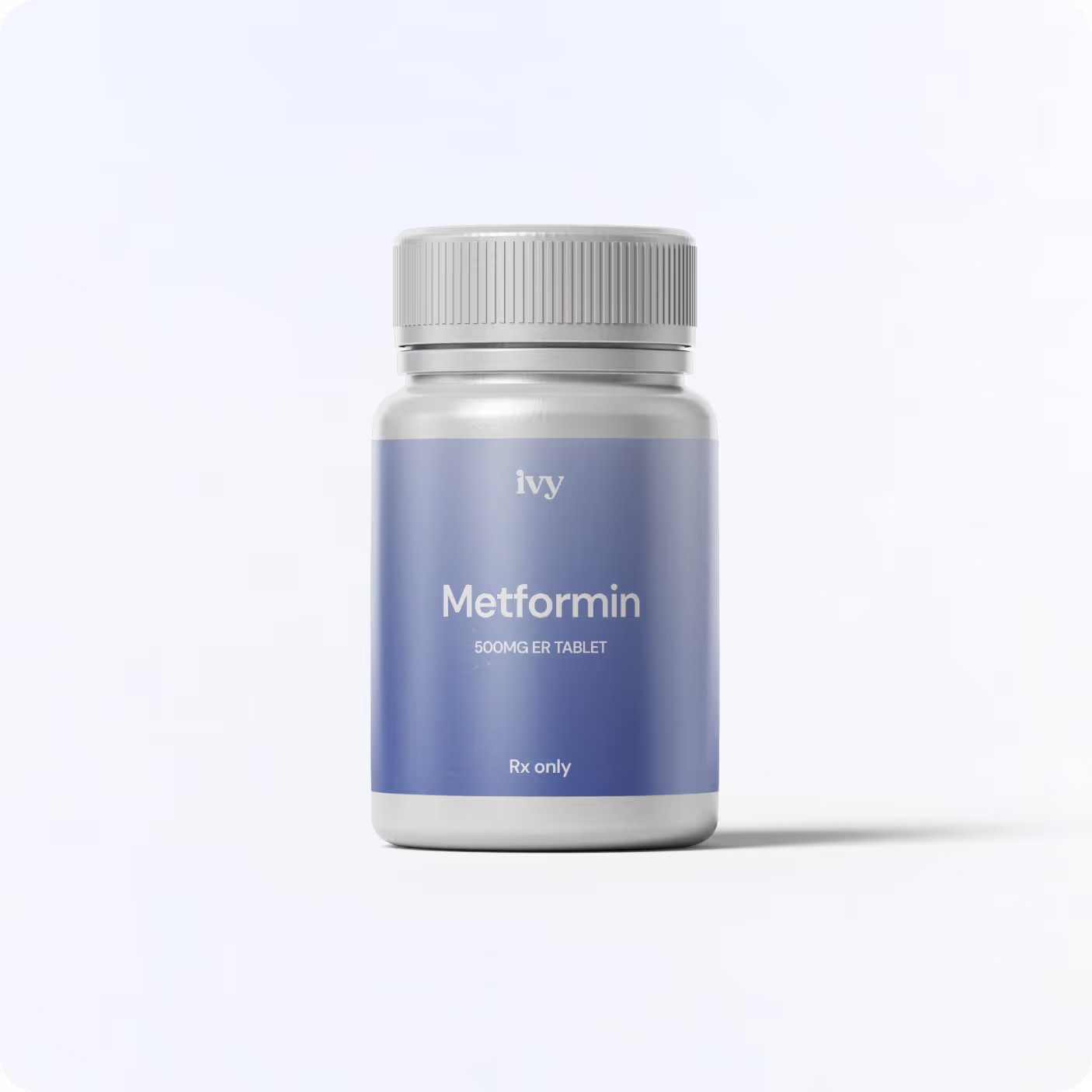
Ivy Rx offers metformin as an oral therapy for weight loss at affordable rates, from $90 per 3-month interval.
3. Liraglutide (Saxenda/Victoza)
Overview:
GLP-1 receptor agonist similar to semaglutide, but requires daily rather than weekly injections.
Pros:
Produces 8% body weight loss over 56 weeks; clinically significant, though less than semaglutide; FDA-approved for weight management.
Cons:
Daily injections are less convenient; less effective than newer GLP-1 medications; similar GI side effects.
4. Dulaglutide (Trulicity)
Overview:
Weekly GLP-1 receptor agonist primarily used for type 2 diabetes management.
Pros:
Convenient weekly dosing; effectively improves blood sugar control.
Cons:
Dulaglutide is less effective for weight loss than semaglutide.
5. Exenatide (Byetta/Bydureon)
Overview:
Earlier-generation GLP-1 receptor agonist available in daily and extended-release weekly formulations.
Pros:
Daily formulations are typically cheaper; an extended-release weekly version is available; produces moderate weight loss.
Cons:
Less potent than semaglutide or tirzepatide; the daily version requires twice-daily injections; older technology with more GI side effects.
6. Phentermine
Overview:
An appetite suppressant that increases norepinephrine release in the brain to reduce hunger signals.
Pros:
Average 5-10% body weight loss over 12 weeks; oral medication, not injection, fast-acting for short-term results.
Cons:
Approved only for short-term (12 weeks); side effects include increased heart rate, elevated blood pressure, insomnia, jitteriness; not appropriate for heart disease or hypertension; compare phentermine vs semaglutide.
7. Sermorelin
Overview:
Growth hormone-releasing hormone analog that stimulates the pituitary gland to produce more natural growth hormone; supports fat metabolism and muscle preservation.
Pros:
Improves body composition (more muscle, less fat); enhances sleep quality and exercise recovery; Sermorelin injections work well with strength training.
Cons:
Not primarily for weight loss; weight loss secondary to metabolic optimization; requires consistent use.
Understanding GLP-1 receptor agonists and compounded tirzepatide helps evaluate options.
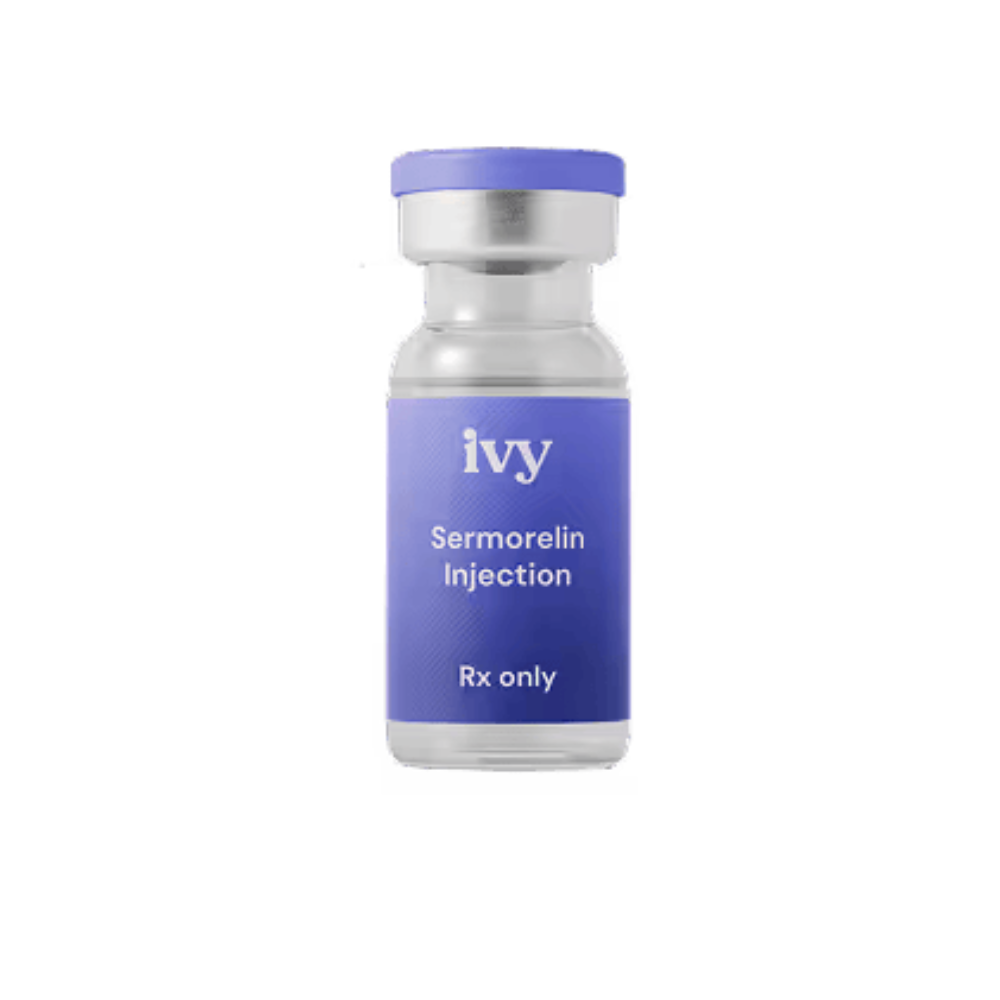
Ivy Rx offers sermorelin injections to support recovery, healthy aging, and lean muscle maintenance, with treatment plans starting at $175 per month.
How to Switch to Semaglutide Alternatives Safely and Effectively
1. Start With Your Healthcare Provider
Do not stop semaglutide without medical guidance. While it doesn’t cause physical dependence, stopping suddenly removes appetite suppression right away.
And if you’re using semaglutide for type 2 diabetes, blood sugar may rise. Your provider should monitor HbA1c, review other medications, and help determine whether you’ve reached a stable weight with sustainable habits before transitioning.
2. Taper Gradually and Monitor Key Metrics
A gradual dose reduction is usually safer than stopping cold turkey.
For example. If you’re stepping down your dose from 2 mg to 1 mg, while introducing a mild semaglutide alternative, you may maintain appetite control and metabolic stability.
Pausing your dosage may trigger appetite control rebound.
3. Introduce Changes One at a Time
Avoid starting multiple supplements at once. Begin with foundational diet changes, higher protein intake, added soluble fiber, and consistent meal timing, and give these 2–3 weeks to assess the impact.
If needed, add supplements one at a time, waiting another 2–3 weeks between additions.
These factors determine whether transitioning off medication succeeds or fails. Understanding how to switch from semaglutide to tirzepatide provides insights into medication transitions.
Reasons to Stay on Semaglutide
1. Superior Effectiveness for Significant Weight Loss
If you need to lose 50+ pounds, natural alternatives likely won't get you there.
Semaglutide's 12-15% body weight loss is transformative for people with obesity, that's 30-40 pounds for someone weighing 250 pounds.
Learn how fast semaglutide works to understand timelines.
2. Proven Cardiovascular Benefits
Semaglutide reduces the risk of major cardiovascular events, heart attack, stroke, and cardiovascular death in people with existing heart disease.
The SELECT trial showed 20% reduction in these events over three years. Natural alternatives lack this evidence.
3. Established Long-Term Safety Data
Semaglutide has been studied extensively in clinical trials. It has a safety profile, risk factors, and long-term effects.
But natural supplements often lack comparable data compared to semaglutide.
Understanding how to get semaglutide and following a semaglutide diet plan optimizes results. Ivy Rx's online program makes treatment accessible without insurance.
Start Your Weight Loss Journey with Ivy RX Today
Where natural approaches fall short, Ivy Rx steps in.
Ivy Rx's GLP-1 weight loss program offers personalized injections for weight loss. The pricing is affordable, starting at $175 monthly.
And our program includes medical evaluation, ongoing provider support, dosing guidance, and medication delivery to your door. No insurance required. No prior authorization delays.

Start your personalized GLP-1 weight loss program today.

%25201.avif)

Ivy RX patients
Members of Ivy RX branded medications were paid for their testimonials.
- Katada S, Yanagimoto A, Matsui Y, Hibi M, Osaki N, Kobayashi S, Katsuragi Y. Effect of tea catechins with caffeine on energy expenditure in middle-aged men and women: a randomized, double-blind, placebo-controlled, crossover trial. Eur J Nutr. 2020 Apr;59(3):1163-1170. https://pmc.ncbi.nlm.nih.gov/articles/PMC7098939/. doi: 10.1007/s00394-019-01976-9.
- Jastreboff AM, Aronne LJ, Ahmad NN, Wharton S, Connery L, Alves B, Kiyosue A, Zhang S, Liu B, Bunck MC, Stefanski A; SURMOUNT-1 Investigators. Tirzepatide Once Weekly for the Treatment of Obesity. N Engl J Med. 2022 Jul 21;387(3):205-216. https://pubmed.ncbi.nlm.nih.gov/35658024/. DOI: 10.1056/NEJMoa2206038.
- Wharton S, Haase CL, Kamran E, Liu A, Mancini J, Neish D, Pakseresht A, Power GS, Christensen RA. Real-world persistence with liraglutide 3.0 mg for weight management and the SaxendaCare® patient support program. Obes Sci Pract. 2020 Apr 15;6(4):382-389. https://pmc.ncbi.nlm.nih.gov/articles/PMC7448157/. doi: 10.1002/osp4.419.
- Kim KK, Cho HJ, Kang HC, Youn BB, Lee KR. Effects on weight reduction and safety of short-term phentermine administration in Korean obese people. Yonsei Med J. 2006 Oct 31;47(5):614-25. https://pmc.ncbi.nlm.nih.gov/articles/PMC2687747/. doi: 10.3349/ymj.2006.47.5.614.
- https://www.nejm.org/doi/full/10.1056/NEJMoa2307563. Accessed 9th of January 2025.
Related
Resources

Liraglutide Cost in 2026 Prices With & Without Insurance
Liraglutide costs $500 to $1,700 per month without insurance. Generic versions and discount cards can cut costs to under $500 per month.
.jpg)
Glutathione Injections Benefits, Risks & Side Effects (2026)
Do glutathione injections really work? Explore the evidence behind their proposed skin, antioxidant, anti-aging, and wellness benefits.

Ro Weight Loss Review 2026 Cost, Legitimacy & Verdict
Ro weight loss review: the Ro Body program is a legit brand-name GLP-1 service, but a $149/mo membership plus separate medication means $4,000+ a year