





.avif)


Article Outline
Start your personalized GLP-1 program


Zepbound vs Tirzepatide: Comparison (Key Differences & Which to Choose for Weight Loss)
Zepbound and Tirzepatide often appear different, yet they are the same drug.
Tirzepatide is the active ingredient, while Zepbound is Eli Lilly’s FDA-approved brand version for weight loss and sleep apnea.
Compounded tirzepatide was a cheaper option during shortages, but the FDA stopped most compounding in early 2025, as the shortage ended (though personalized GLP treatments are still available).
In this guide, you will learn:
- How Zepbound differs from other Tirzepatide products.
- How to choose the right option for your goals.
Zepbound vs Tirzepatide: What’s the Difference?
Zepbound and Tirzepatide contain the same drug, but the FDA approves them for different uses. Zepbound treats weight loss and sleep apnea. Meanwhile, Mounjaro, which has Tirzapetide as an active ingredient, focuses on type 2 diabetes.
You can read our full breakdown on Zepbound vs Mounjaro to see which is right for your medical needs.
Zepbound
Zepbound is Eli Lilly’s branded, FDA-approved version of tirzepatide for weight loss.
Key traits:
- Cost is around $1,060 per month.
- Single-dose pens from 2.5 mg to 15 mg.
- For BMI ≥ 30, or ≥ 27 with health issues.
- Approved for weight loss and sleep apnea.
- Brand-name drug with complete FDA oversight.
Tirzepatide
Tirzepatide is the generic name for the active drug. It appears in Zepbound for weight loss, in Mounjaro for diabetes, and in other compounded versions.
Key traits:
- Quality varied with risks from dose errors and contamination.
- Zepbound is for weight loss, Mounjaro is for diabetes.
- Past compounded forms lacked FDA approval.
- The cost of compounded tirzepatide ranges $199–$400 per month.
You can learn more in our guide on compounded tirzepatide for weight loss.
Effectiveness of Zepbound vs Tirzepatide
Zepbound and FDA-approved tirzepatide (Mounjaro) work the same because they use the same drug. The only real gap appears when you compare FDA-approved versions with some compounded versions.
Branded Zepbound or Mounjaro (FDA-approved)
- People on 15 mg lost an average of 52 pounds.
- Stable dose and quality due to strict FDA standards.
- 16–22.5% weight loss over 72 weeks (SURMOUNT trials).
- Diabetes patients saw about a 12% loss (SURPASS trials).
- More expensive.
People without diabetes lose more weight because their metabolism responds better. That difference comes from the patient group, not the drug.
For best results, maximizing these trial-backed outcomes typically requires following a structured Zepbound diet plan to ensure adequate protein and nutrient intake.
Compounded Tirzepatide (Not FDA-approved)
- Similarly effective depending on the quality of the compounding pharmacy.
- More affordable.
- Potential dose errors and quality gaps.
- FDA recorded 215+ adverse reports by Nov 2024.
- Risks may include contamination and unpredictable potency if the pharmacy isn’t reputable.
Dosage Comparison: Zepbound vs Tirzepatide
Both branded and compounded tirzepatide follow identical dosing schedules since they contain the same active ingredient:
Are Zepbound and Tirzepatide Safe to Use Together?
No. Using Zepbound and tirzepatide together is unsafe and unnecessary. Both contain the same drug, so taking them at the same time only doubles your dose.
This raises the risk of severe nausea, dehydration, pancreatitis, gallbladder issues, and kidney injury without offering any added benefit.
The FDA states that Zepbound should not be used with any other tirzepatide product. No clinical evidence supports dual use.
Common Side Effects: Zepbound vs Tirzepatide
Zepbound
- Fatigue
- Nausea
- Diarrhea
- Vomiting
- Constipation
- Abdominal pain
- Hair loss (alopecia)
- Injection site reactions
- Gastroesophageal reflux disease
Severe warnings: Thyroid C-cell tumors (black box warning), pancreatitis, and gallbladder disease.
Tirzepatide (Compounded)
The same side effects apply to compounded tirzepatide as Zepbound, as they contain the same active ingredient. Other risks of compound tirzepatide include:
- Unknown interactions from compounding pharmacy additives (like vitamin B12, niacinamide)
- Potentially worse nausea and vomiting from dosing inconsistencies
- Allergic reactions to unlabeled additives
- Unpredictable potency leading to ineffective treatment or overdose
- Potential injection site infections from contamination
Most side effects occur during dose escalation and diminish over time. However, compounded versions carry additional unpredictability if you don’t use a reputable pharmacy.
Learn about tirzepatide side effects in detail.
Warnings and Precautions Before Taking Tirzepatide
Avoid tirzepatide if you have a personal or family history of medullary thyroid cancer or MEN2.
Also, do not use it during pregnancy or breastfeeding. Tirzepatide can also affect how your body absorbs oral drugs, so women on oral birth control may need a non-oral or backup method.
Important note: Always review your health record with a licensed provider before you start.
Cost & Insurance Coverage: Zepbound vs Tirzepatide
Branded Zepbound/Mounjaro costs:
- List price: $1,059.87 monthly (approximately 20% lower than semaglutide).
- Some commercial insurance covers it for weight-related conditions.
- The Eli Lilly savings card may help eligible patients reduce costs.
- Medicare Part D does not cover weight loss medications.
- Prior authorization is often required.
Compounded tirzepatide costs:
- No insurance coverage, but lower out-of-pocket costs.
- $179- $400 per month through telehealth platforms.
- Often marketed through online clinics and wellness centers.
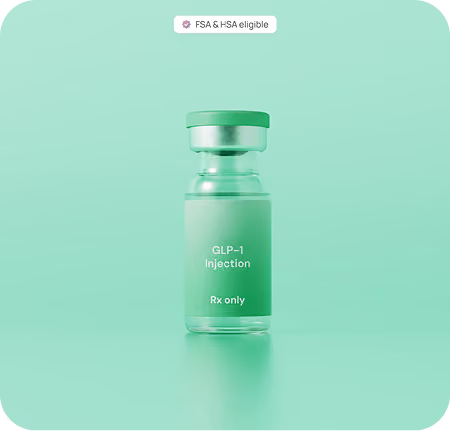
Ivy Rx offers cost-effective access to personalized GLP-1 medications. Explore tirzepatide cost comparisons and personalized GLP-1 injection options.
Zepbound vs Tirzepatide: Which One to Choose
Choose Zepbound (FDA-approved) if you:
- Want a clear, proven track record.
- Need guaranteed potency and purity.
- Prefer auto-injector pens for easy use.
- Want the safest option with complete FDA oversight.
- Have insurance coverage or can manage higher costs. (If you prefer this route, you can read our guide on how to get Zepbound through a licensed provider.)
Choose compounded Tirzepatide if you:
- Don’t have insurance coverage for Zepbound.
- Want a more affordable alternative for weight loss.
- Prefer a telehealth program that offers close support.
- Need a medically guided option that still gives you access to tirzepatide’s active ingredient.
An Ivy Rx patient, for example, has reported losing over 100 pounds and described significant improvements in appetite and energy. It’s anecdotal and not a clinical study, but it shows why some people choose compounded Tirzapetide.
Key factors to weigh:
- Goals: Both Zepbound and compounded Tirzepatide can support weight loss. Zepbound offers consistency backed by FDA oversight, while compounded versions may vary depending on the pharmacy and provider.
- Affordability: Zepbound is the pricier option but comes with guaranteed potency and quality. Compounded Tirzepatide is usually more affordable, especially for people without insurance coverage.
- Medical history: Contraindications and clinical cautions still apply to both versions. You’ll need medical screening either way to confirm whether Tirzepatide is safe for you.
- Quality control: Zepbound is FDA-approved with strict manufacturing standards. Compounded Tirzepatide requires choosing a reputable, accredited pharmacy and a provider who can verify purity and potency.
Can I Switch Between Zepbound And Tirzepatide?
Yes. Switching between Zepbound and Mounjaro is common since both use the same drug at the same doses.
Your provider may switch you based on insurance rules, cost, or stock issues. No dose change or washout period is needed; just stay on your regular weekly schedule.
If you move from a compounded version, match the same dose and let your provider confirm accuracy. Additives like vitamin B12 in compounded products do not affect results.
For more guidance, see semaglutide vs tirzepatide for weight loss and switching from semaglutide to tirzepatide.
You can also learn about other weight loss options like contrave vs zepbound, sermorelin vs semaglutide, and tirzepatide vs ozempic.
How to Get Zepbound or Tirzepatide
Access FDA-approved tirzepatide through several safe channels:
Prescription from your primary care provider:
- Schedule an appointment to discuss weight loss goals and medical history.
- Undergo evaluation for BMI requirements and contraindications.
- Receive prescription for appropriate branded version (Zepbound or Mounjaro).
- Check insurance coverage and prior authorization requirements.
Although compounded Tirzepatide is not FDA-approved, many people still use it under licensed medical supervision, and the options below show the safest ways to access it.
Online telehealth programs:
- Ivy Rx and similar platforms offer virtual consultations with licensed providers.
- Complete the medical questionnaire and upload relevant health records.
- Provider evaluates eligibility and prescribes if appropriate.
- Ivy Rx ships directly to your home with ongoing medical support.
- Often more affordable than traditional pharmacy prices.
Local pharmacies:
- Fill branded prescriptions at major pharmacy chains.
- Verify stock availability before transferring the prescription.
- Ask the pharmacist about the manufacturer's savings programs.
What to avoid:
- “Research grade” or “for research purposes only” tirzepatide that is sold online, as it’s difficult to verify legitimacy.
- Clinics that offer tirzepatide without a proper medical evaluation.
- Products from unregistered or overseas suppliers.
Access personalized GLP-1 injections through Ivy Rx's secure telehealth platform with licensed provider oversight.
Access Personalized GLP-1 Treatments With Ivy Rx
Ivy Rx gives you easy access to Zepbound and other GLP-1 options through simple telehealth visits. Our licensed providers review your health record, confirm eligibility, and set a clear treatment plan with steady support.
Skip delays from insurance rules and pharmacy stock issues. Ivy Rx ships your medication to your door with transparent pricing and fast medical care.
Explore our Ivy Rx's personalized GLP-1 program.
FAQs
Is Zepbound the same as tirzepatide?
Yes, Zepbound contains tirzepatide as its active ingredient. Zepbound is simply Eli Lilly's brand name for tirzepatide when used for weight loss and obstructive sleep apnea.
Is compounded tirzepatide safe?
It depends. Compounded tirzepatide is not FDA-approved, so quality and safety can vary. Although the FDA has logged safety cautions regarding patients using compounded tirzepatide. Still, there are telehealth programs, like Ivy Rx, that report meaningful weight-loss results using products from vetted, licensed compounding pharmacies.
How long can I take tirzepatide for weight loss?
Tirzepatide is approved for long-term chronic weight management. Clinical trials demonstrated safety and effectiveness for up to 72 weeks, with some studies extending multiple years. Ongoing medical supervision is essential.

%25201.avif)

Ivy RX patients
Members of Ivy RX branded medications were paid for their testimonials.
- https://www.accessdata.fda.gov/drugsatfda_docs/label/2024/217806s003lbl.pdf. Accessed 1st of December, 2025.
- https://www.nejm.org/doi/full/10.1056/NEJMoa2206038. Accessed 1st of December, 2025.
- https://www.nejm.org/doi/full/10.1056/NEJMoa2107519. Accessed 1st of December, 2025.
- https://www.fda.gov/drugs/drug-safety-and-availability/fda-clarifies-policies-compounders-national-glp-1-supply-begins-stabilize. Accessed 1st of December, 2025.
Related
Resources

Tirzepatide Side Effects and How to Alleviate Them
Discover this complete guide to learn all about Tirzepatide's side effects. We have listed the common side effects and the rare ones for your safety during weight loss.
.png)
Zepbound vs Mounjaro: Key Differences, Cost, & Uses (2026)
Compare Zepbound vs Mounjaro, including uses, weight loss results, & side effects. Learn which option fits your health goals.
A Complete Guide To Compounded Tirzepatide For Weight Loss
Avoiding certain foods to ensure one achieves the desired weight is essential. Lack of exercise, excessive eating, and being overweight raise on...