








Article Outline
Take your supplements with


BPC-157 Injections Uses, Benefits & Dosage (2026)
BPC-157 injections get a lot of attention in recovery and injury circles, but the evidence is not as strong as the online claims often sound.
The short answer: BPC-157 is a peptide studied mostly in animals, with only very small uncontrolled human studies available. It is not FDA-approved, and injectable products sold online may sit outside a clear prescription-based pathway.
This guide explains what the research actually says, where the FDA stands, and what safer options you can discuss with a licensed clinician. It, however, does not provide dosing protocols, mixing instructions, injection-site guidance, or cycle lengths.
What Are BPC-157 Injections?
BPC-157 is a synthetic peptide based on a sequence found in a larger protein associated with gastric juice. It is often discussed online as a “body protection compound” and is promoted for tendon, ligament, joint, muscle, gut, and wound-healing support.
Those claims need more context. Most BPC-157 research has been done in animals or lab models, not in large human trials. Researchers have explored possible effects on angiogenesis, nitric oxide pathways, inflammation, tendon healing, gut protection, and tissue repair, but these remain proposed or preclinical mechanisms, not established human outcomes.
BPC-157 injections refer to injectable forms marketed or used to deliver the peptide under the skin, into a joint, or by other routes.
The injectable and oral capsule distinction is important. Injectable BPC-157 is typically discussed as a direct-delivery route, while oral capsules are taken by mouth and pass through the digestive system. Because human evidence is limited, neither form should be treated as a proven injury-recovery treatment without licensed clinician guidance.
What the Research Actually Says About BPC 157 Injections
BPC-157 research is interesting, but it is early. The main problem is that animal findings are often discussed online as if they already prove human benefits. They do not.
Preclinical tissue-repair research
Most of the excitement around BPC-157 comes from animal and laboratory research. In those settings, BPC-157 has been studied for tendon healing, ligament injury models, wound healing, blood-vessel formation, and gut protection.
A recent investigational peptide review summarizes why translation to humans remains difficult. The authors note that BPC-157 shows activity across oral, parenteral, and topical routes in experimental settings, but its human pharmacokinetic profile is still under-characterized.
That means the preclinical signal is real enough to justify more research, but not strong enough to support confident human treatment claims. Animal repair models are useful for hypothesis-building. They cannot tell an individual patient whether BPC-157 injections will heal a tendon, reduce pain, or prevent surgery.
The most accurate way to phrase the evidence is: research suggests possible tissue-repair mechanisms, but human benefits have not been established in large controlled trials.
Human knee pain case series
The most cited musculoskeletal human report is a small retrospective knee pain case series published in Alternative Therapies in Health and Medicine. The authors reviewed patients who had received intra-articular BPC-157, either alone or with TB4, for different types of knee pain.
Of 16 contacted patients, 12 had received BPC-157 alone and 4 had received BPC-157 with TB4. The paper reported that 11 of 12 patients in the BPC-157-only group and 14 of 16 patients overall reported significant knee-pain relief.
That sounds promising, but the study design is weak. It was retrospective, uncontrolled, and small. There was no placebo group, no blinding, no standardized imaging outcome, and no validated pain or function scale used to measure improvement. Follow-up also varied.
So the case series is best viewed as an early signal, not proof. It suggests BPC-157 injections deserve better human studies, but it does not establish safety, efficacy, or appropriate clinical use.
Human pilot studies and the missing Phase 1 evidence
A 2025 narrative review found only three pilot human studies: intra-articular use for knee pain, use in interstitial cystitis, and a small intravenous safety/pharmacokinetic pilot. Another investigational peptide review states that available clinical data come from fewer than 30 subjects across three uncontrolled pilot studies.
The IV safety pilot included only 2 adults, so it cannot answer broader safety questions. A separate clinical trial that could have provided more structured safety and pharmacokinetic data, NCT02637284, was terminated without published results.
This is the main evidence gap. BPC-157 has a large preclinical literature and strong public interest, but it does not yet have the kind of published, well-controlled human evidence that would support routine use for injuries, recovery, or tissue repair.
If you are considering peptide support for recovery or anti-aging, a licensed clinician can help you compare better-characterized options and avoid unregulated sources.
Is BPC-157 Legal?
As of October 2026, BPC-157 is not an FDA-approved drug. There is no FDA-approved BPC-157 injection, and BPC-157 is not a component of an FDA-approved drug product.
The regulatory situation is moving quickly. FDA’s July 2026 Pharmacy Compounding Advisory Committee meeting discussed BPC-157-related bulk drug substances, including BPC-157 free base and BPC-157 acetate. FDA briefing materials noted there is no applicable USP or National Formulary monograph for these substances, and neither is a component of an FDA-approved drug. FDA's presentation to the committee proposed that BPC-157 not be added to the list of substances pharmacies may use in compounding.
FDA staff also raised safety and quality concerns, including peptide-related impurities, immunogenicity risks for certain routes, and active pharmaceutical ingredient characterization. The same FDA materials noted that BPC-157 appears on the World Anti-Doping Agency prohibited list under the S0 non-approved substances category.
For patients, the practical point is this: do not treat online injectable BPC-157 vials as equivalent to a prescription medication reviewed by the FDA. If you are interested in peptide therapy, use a licensed clinician, ask what product is being recommended, and choose a route with clear quality standards and follow-up.
BPC-157 Options to Discuss With a Clinician
Neither injectable nor oral BPC-157 is FDA-approved, and both have limited human evidence. If you are considering BPC-157, the most important choice is a quality-tested source rather than research-grade vials sold online.
Oral BPC-157 Capsules
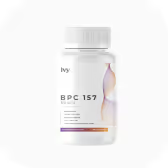
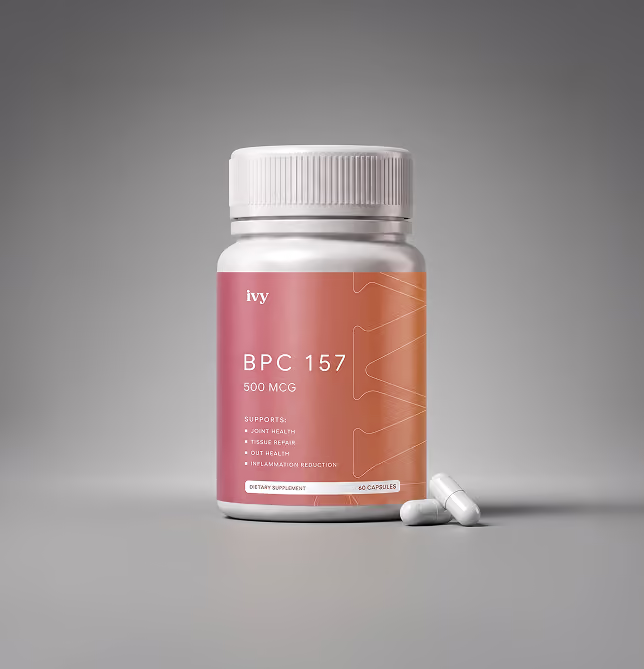
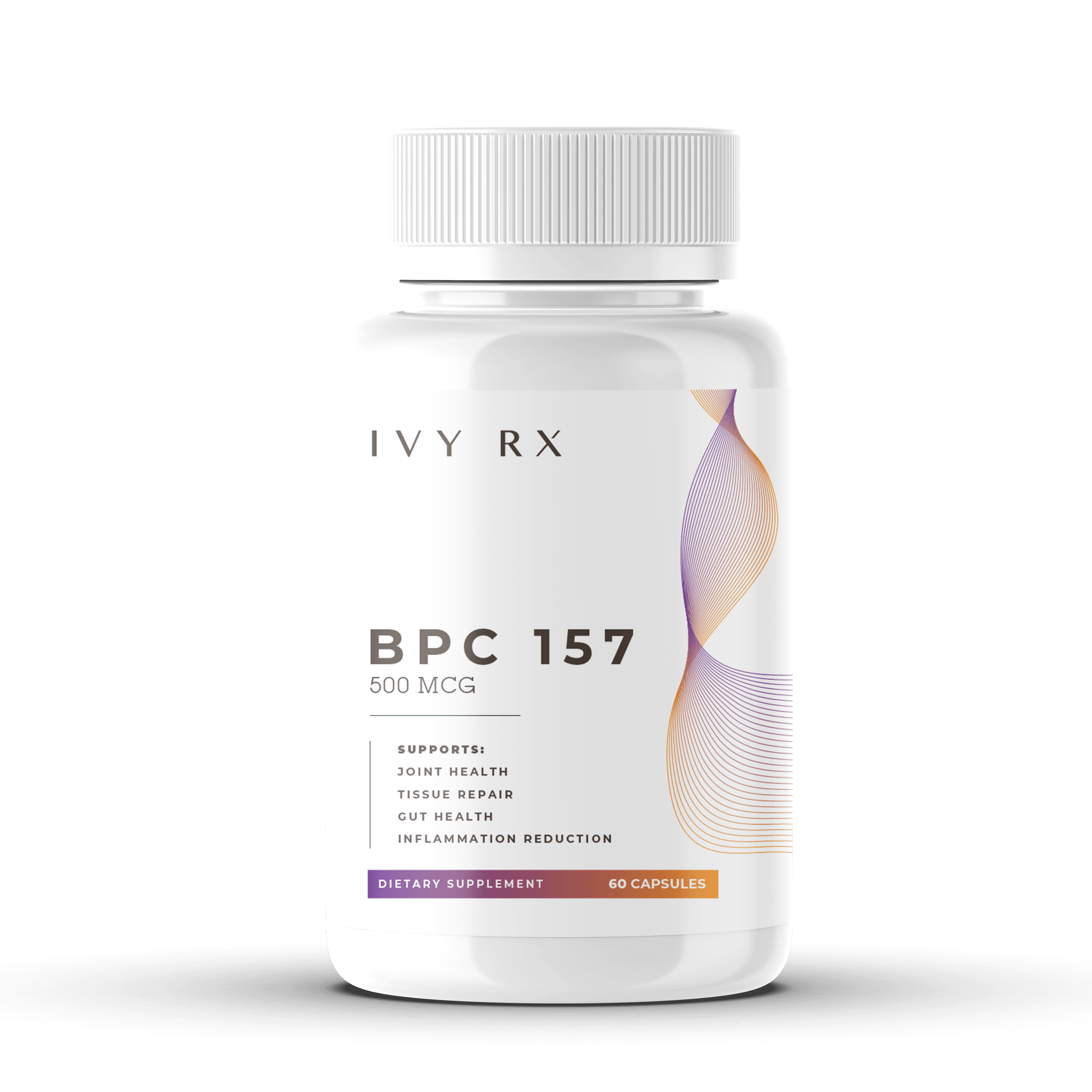
Ivy Rx offers BPC-157 Capsules, not injectable BPC-157. Capsules suit people who want a needle-free option, while injections skip digestion. Neither form has strong human evidence.
Ivy Rx’s BPC-157 capsules are dietary supplements designed for people exploring peptide support for joint, tendon, tissue, gut, and everyday recovery goals. They are made in the USA, start from $129 for 60 capsules of 500 mcg each (as of October 2026), and are quality-tested, with medication prepared in a state-licensed pharmacy and independently verified through registered labs.
Note that as BPC-157 is not FDA-approved to diagnose, treat, cure, or prevent any disease, the right way to approach it is as a wellness option to discuss with your clinician, not a replacement for medical care, imaging, physical therapy, injury evaluation, or FDA-approved treatment when those are needed.
If you have ongoing pain, a suspected tear, severe swelling, digestive symptoms, or a sports injury that is not improving, start with a licensed clinician before choosing any peptide.
Sermorelin Injections
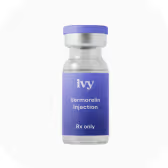
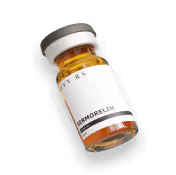
For patients interested in an injectable peptide through Ivy Rx, Sermorelin Injections are the relevant option, not injectable BPC-157. Sermorelin available today is compounded by a licensed pharmacy and is not FDA-approved. A clinician can tell you whether it fits your goals and health history.
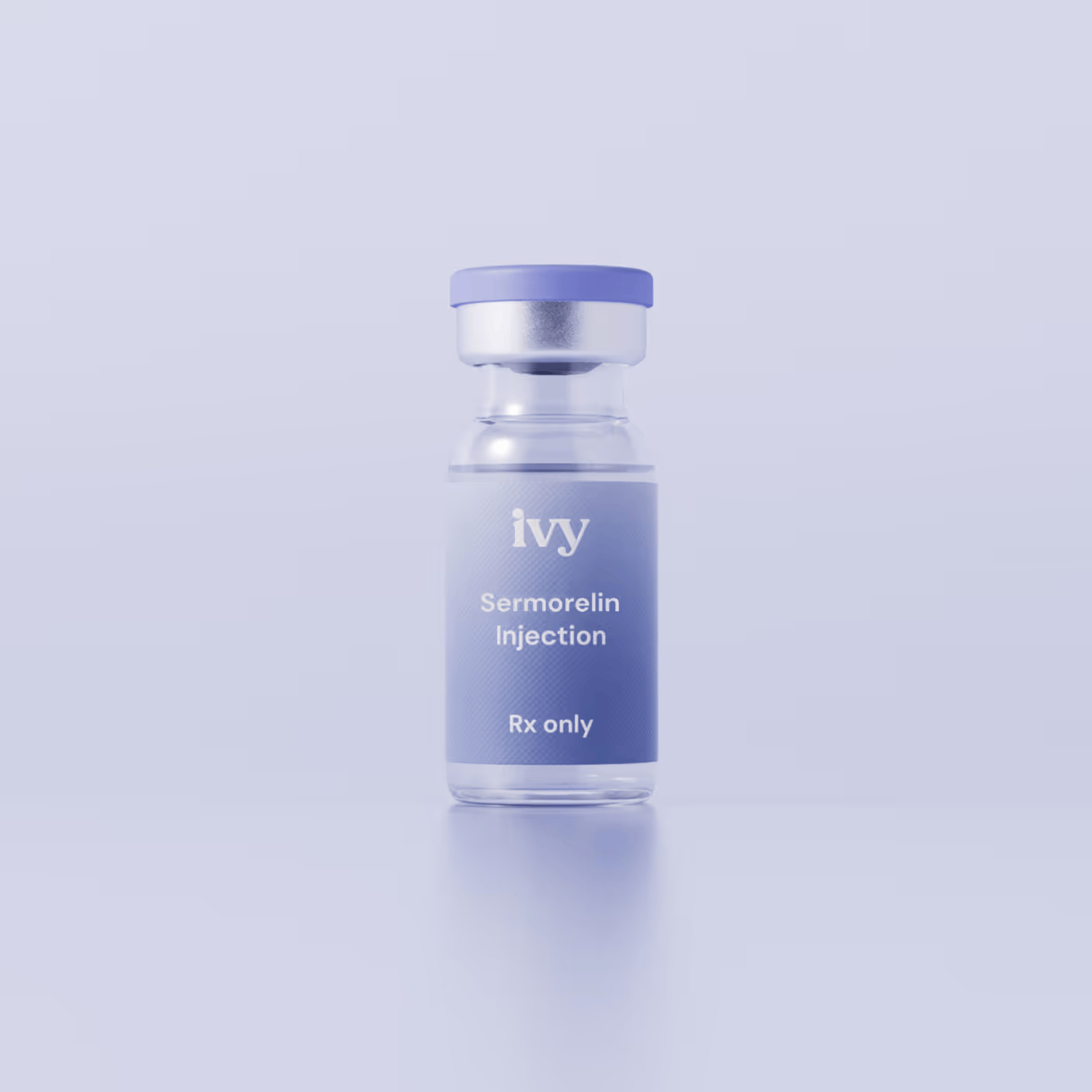
Sermorelin works differently from BPC-157. It stimulates the pituitary gland to release the body’s own growth hormone in pulses, rather than directly replacing growth hormone. People often explore it for recovery, sleep, energy, and anti-aging goals, but it still requires medical review and realistic expectations.
Ivy Rx’s Sermorelin Injections follow an online care pathway: a health questionnaire, licensed clinician review, and home delivery if prescribed. No insurance is needed, pricing is clear with a Rate Lock Guarantee, and the treatment includes a home kit.
If injections make you nervous, the delivery method is also simpler than many people expect. Sermorelin is injected subcutaneously, meaning into fatty tissue under the skin, not muscle. Your clinician should explain the process, and this general subcutaneous injection video from the Veterans Health Administration shows what to expect before your first dose.
Conventional Options Worth Discussing With a Clinician
BPC-157 gets attention because people are often trying to solve a real problem: pain, slow recovery, tendon irritation, gut symptoms, or an injury that keeps coming back. A peptide may be part of a conversation, but it should not replace basic diagnosis and care.
Depending on your symptoms, a clinician may recommend imaging, physical therapy, load management, anti-inflammatory strategies, nutrition changes, sleep support, or referral to orthopedics, sports medicine, gastroenterology, or another specialist.
For example, tendon pain may need progressive loading, not rest alone. Joint pain may need a diagnosis before any recovery supplement makes sense. Gut symptoms may need evaluation for inflammatory, infectious, or functional causes.
The best option is the one that matches the actual problem. If you are unsure whether your goal fits BPC-157 capsules, sermorelin injections, or conventional care, Ivy Rx’s How It Works page explains the telemedicine consultation pathway to help patients find the right treatment.
Talk to a Licensed Clinician Before Starting Any Peptide
BPC-157 injections are not FDA-approved, and the human evidence is still limited. Before starting any peptide, talk with a licensed clinician who can review your symptoms, medical history, medications, goals, and whether a peptide is appropriate at all.
Ivy Rx offers clinician-informed access to BPC-157 Capsules and other peptide options through an online care pathway. The goal is to help patients choose a legitimate product, get clear guidance, and medical oversight instead of relying on unregulated injectable vials or forum instructions.
Explore Ivy Rx to see which option fits your recovery or wellness goals.
FAQs
Are BPC-157 injections legal in the US right now?
Not as FDA-approved drugs. FDA’s 2026 materials show BPC-157-related substances remain under compounding policy review.
Is BPC-157 hard on your liver?
Unknown. Human safety data are limited, so there is not enough evidence to make a confident liver-safety claim. Ask a clinician if you have liver disease.
Is BPC-157 banned in sports?
Yes. The 2026 WADA list includes BPC-157 under S0 non-approved substances, prohibited at all times.
How quickly does BPC-157 take to work?
Unknown. Online timelines are mostly anecdotal. Human studies are too small to establish a reliable timeline for pain, injury, or recovery outcomes.
Which peptide does Joe Rogan take?
Unclear. Public comments about celebrities are not medical guidance. Choose peptides based on clinician review, evidence, safety, and your own health needs.
Disclaimer: Research findings, FDA and WADA regulatory details, safety information, product availability, pricing, plan terms, and peptide-program details in this article were curated in August 2026 and may change. BPC-157 user reports and preclinical findings do not guarantee individual results. Always confirm current product details, eligibility requirements, pharmacy or supplement sourcing, medication availability, pricing, and program terms with a licensed clinician before starting any peptide.


Ivy RX patients
Members of Ivy RX branded medications were paid for their testimonials.
- https://www.fda.gov/media/193773/download
- https://www.fda.gov/advisory-committees/advisory-committee-calendar/july-23-24-2026-meeting-pharmacy-compounding-advisory-committee-07232026
- https://pubmed.ncbi.nlm.nih.gov/42198317/
- https://pubmed.ncbi.nlm.nih.gov/40789979/
- https://pubmed.ncbi.nlm.nih.gov/34324435/
- https://www.wada-ama.org/sites/default/files/2025-09/2026list_en_final_clean_september_2025.pdf
Related
Resources

BPC-157 Before and After: Realistic Results & Timeline
BPC-157 before and after results are functional, not visual. Most users report less pain within 1-3 weeks and better mobility by weeks 4-8.

BPC 157 Pills vs Injections: Benefits & Safety Compared
BPC 157 pills avoid needles, while injections skip digestion. Neither form is FDA-approved, and human evidence for both forms is limited.

BPC 157 Dosage Guide Timelines & Side Effects
BPC 157 has no approved human dose. See the product strengths sold, the doses studies tested, and the safety issues to review with a clinician.