





.avif)


Article Outline
Start your personalized GLP-1 program


Lipotropic Injections vs Semaglutide: Key Differences
Lipotropic injections vs semaglutide is not a contest between two versions of the same treatment.
Semaglutide is a glucagon-like peptide-1 (GLP-1) receptor agonist that lowers calorie intake. Lipotropic injections combine methionine, inositol, and choline with vitamin B12, and they supply nutrients your body uses to process fat and produce energy.
In its main weight-management trial, semaglutide produced an average 14.9% weight loss over 68 weeks. Lipotropic injections have no comparable trial result, and they are used as support rather than as a replacement.
This guide compares the two on mechanism, side effects, cost, and combined use.
Lipotropic Injections vs Semaglutide: Quick Reference
Lipotropic Injections and Semaglutide Mechanisms
The two treatments target fat loss through completely separate pathways. Semaglutide changes how hungry you feel. Lipotropic injections supply nutrients your liver and cells already use to move and process fat.
How Semaglutide Works
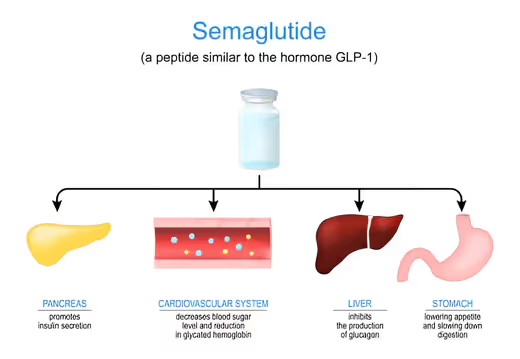
Semaglutide is a GLP-1 analogue with 94% sequence homology to human GLP-1. It binds to and activates the GLP-1 receptor, which is present in several brain regions that regulate appetite, according to the FDA label.
The practical result is that you eat less. Semaglutide lowers calorie intake, delays how quickly the stomach empties, and produces greater fat mass loss than lean mass loss. It also stimulates insulin secretion and lowers glucagon in a glucose-dependent way.
In a 68-week trial of 1,961 adults with obesity or overweight, semaglutide 2.4 mg produced an average 14.9% weight loss compared with 2.4% for placebo. Around 83.5% of participants lost at least 5% of their starting weight, and 66.1% lost at least 10%. A published review of the STEP program covers the wider trial results.
How Lipotropic Injections Work
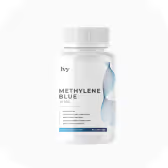
Lipotropic injections deliver four nutrients directly into muscle tissue. Methionine is an essential amino acid involved in methylation. Inositol is related to the B vitamin family and takes part in cell signaling. Choline is an essential nutrient the body needs to build cell membranes.
Choline also plays a defined role in lipid transport and metabolism, according to NIH research. Most people in the United States take in less choline than the recommended amount, even counting supplements.
Vitamin B12 is the fourth component. It supports red blood cell formation and energy metabolism, and correcting a genuine deficiency reduces fatigue, as NIH guidance sets out. Controlled trials of the injected MIC blend for weight loss are limited, so lipotropic injections are used alongside diet and exercise rather than on their own.
Our guide on what is a lipo shot covers the ingredients in more detail.
What Lipotropic Injections Offer That Semaglutide Doesn't
Most comparisons try to pick a winner, which misses the point. The two treatments address different parts of the same problem.
Semaglutide does not supply nutrients. It reduces how much you eat, and eating less can lower your intake of B vitamins and choline at the same time. Lipotropic injections add those nutrients back rather than removing anything.
They also carry a very different tolerance profile. Semaglutide commonly causes nausea and other stomach symptoms during dose increases. Lipotropic injections rarely affect appetite or digestion, so they remain an option for people who cannot tolerate a GLP-1 or who are not eligible for one.
The third difference is energy. Semaglutide trials reported fatigue in 11% of participants. For someone whose B12 status is low, a lipotropic injection addresses fatigue directly. Our roundup of skinny shot reviews and our 1 month lipotropic injections results guide show what patients most often report.
Side Effects: A Very Different Tolerance Profile
The two treatments do not compare closely on side effects. Semaglutide rates come from large placebo-controlled trials. Lipotropic injection reports come from clinical practice, because no equivalent trial exists.
- Stomach symptoms: common and expected with semaglutide, uncommon with lipotropic injections.
- Injection site reactions: reported by 1.4% of semaglutide-treated adults and among the most common complaints with lipotropic injections.
- Serious warnings: semaglutide carries a boxed warning about thyroid tumors. Lipotropic injections carry no boxed warning.
Lipotropic Injections
Most people tolerate MIC + B12 injections well. The most common reports are mild injection site reactions, including burning, pain, swelling, or redness at the site.
Some people notice mild nausea, an upset stomach, or loose stools when they start. Headache, dizziness, or tiredness can also follow an injection. Methionine can give urine a stronger odor, which is not harmful but does surprise people.
Allergic reactions are rare and need immediate medical attention. Ivy Rx advises anyone with a known allergy to methionine, inositol, choline, or vitamin B12 to avoid these injections. High-dose B12 and lipotropic agents can also interact with certain medicines, including levodopa and methotrexate, so tell your clinician what you take.
Our guide to lipotropic injection side effects covers management in more depth.
Semaglutide
Stomach and bowel symptoms are the main issue. In adult weight-management trials, nausea was reported by 44% of semaglutide-treated patients compared with 16% on placebo. Diarrhoea affected 30%, vomiting 24%, and constipation 24%.
Abdominal pain affected 20%, headache 14%, and fatigue 11%. Around 73% of semaglutide-treated adults reported some gastrointestinal symptom, and most reports came during dose increases.
About 6.8% of patients stopped semaglutide because of a side effect, compared with 3.2% on placebo. Semaglutide also carries a boxed warning about thyroid C-cell tumors and must not be used by anyone with a personal or family history of medullary thyroid carcinoma (MTC) or Multiple Endocrine Neoplasia syndrome type 2 (MEN 2).
Our guide on reducing semaglutide nausea covers practical steps that help.
Cost Comparison
Lipotropic injections cost less than brand-name semaglutide by a wide margin, and the gap explains why many people ask about them.
Insurance is the largest variable. Many plans exclude weight-loss medicines entirely, and almost none cover lipotropic injections. A licensed clinician can review your eligibility for manufacturer savings programs and discuss which formulation fits your budget and your medical history.
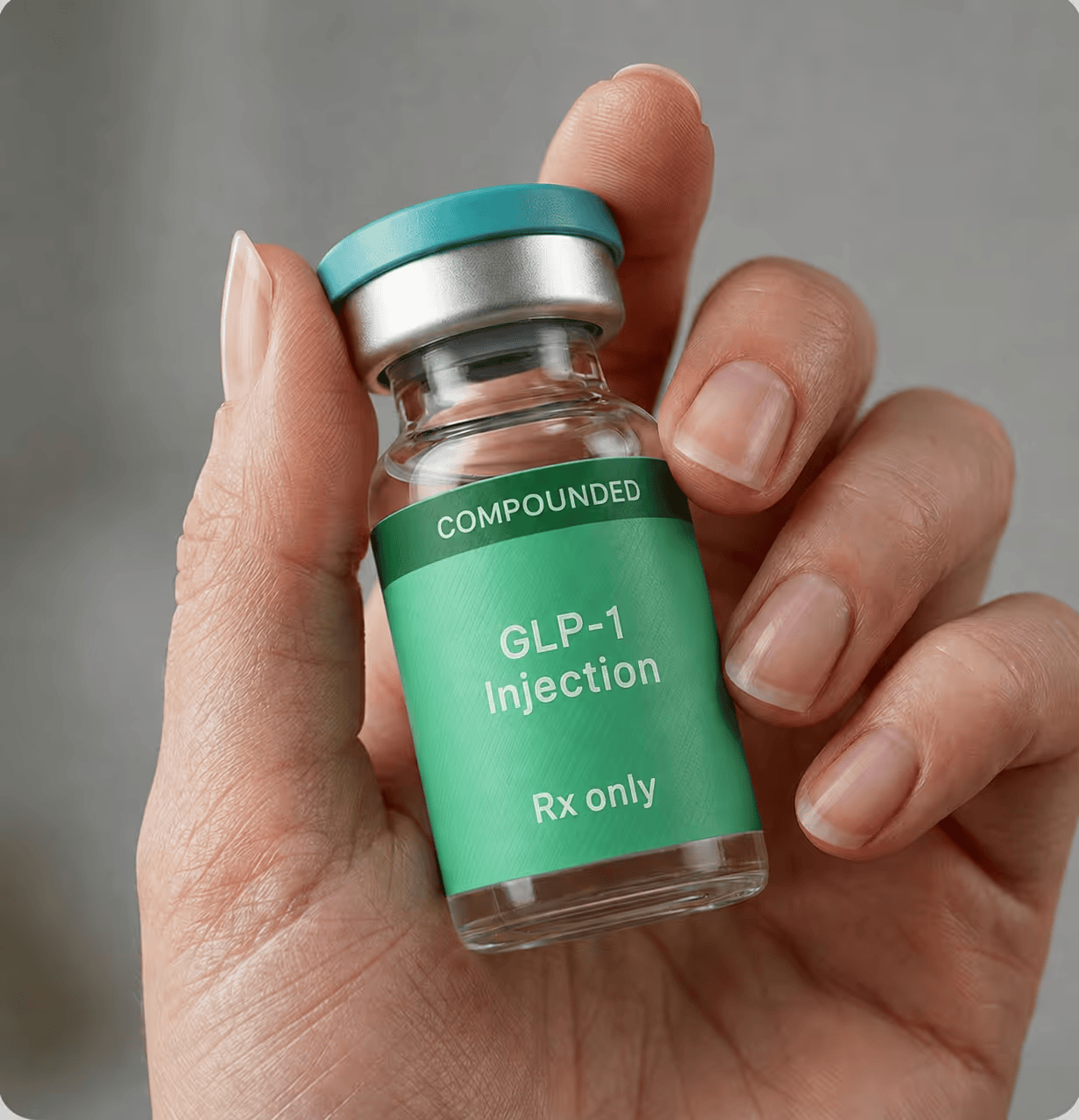
At Ivy Rx, we use transparent pricing on both products, and our Rate Lock Guarantee means your GLP-1 price stays the same at every dose. Raising your dose does not raise your bill. Longer plans are billed upfront rather than as rolling monthly charges, and no insurance is required.
For a wider view of pricing, see our guides to lipotropic injections cost, weight loss injections cost, and cheapest semaglutide without insurance.
Can You Use Lipotropic Injections and Semaglutide Together?
Yes, and clinicians commonly prescribe both. Because the two work through separate pathways, they add to each other rather than repeat each other.
Semaglutide handles the intake side by reducing appetite and slowing stomach emptying. Lipotropic injections support the processing side by supplying nutrients your liver uses to move and metabolize fat, along with B12 for energy.
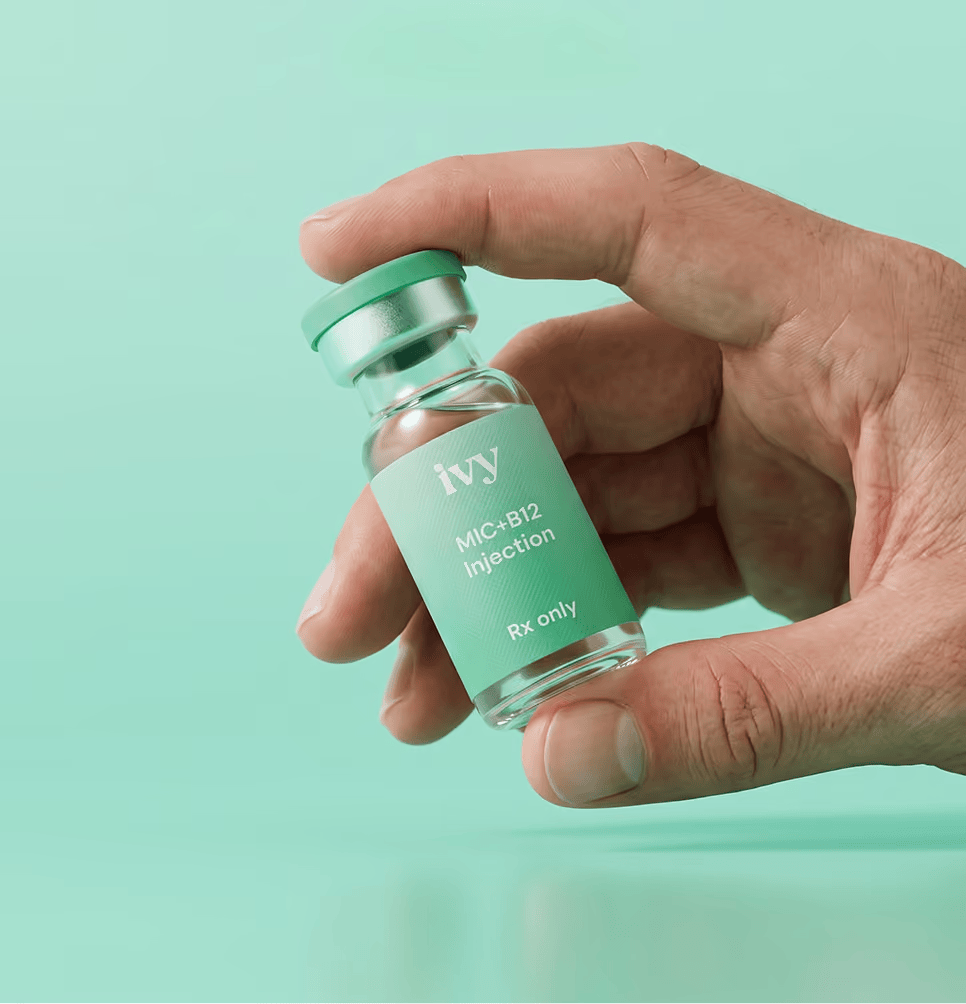
The two are given differently, which matters in practice. Semaglutide goes under the skin into the fat layer of the abdomen, thigh, or upper arm once a week. MIC + B12 goes into muscle in the upper arm, outer thigh, or hip, one to two times a week.
Your clinician makes the call. They will review your medical history, current medicines, and B12 status before adding a second injection to your routine. Ivy Rx patients can message their care team through the patient portal at any time.
Who Are Semaglutide & Lipotropic Injections Best For?
- The person who needs substantial weight loss: Semaglutide has the trial evidence, with an average 14.9% loss over 68 weeks.
- The person who is already eating well and training consistently: Lipotropic injections add nutrient support without changing appetite.
- The person who cannot tolerate a GLP-1: MIC injections vs semaglutide is a real choice when nausea has already ended one attempt.
- The person with low energy: If B12 status is low, a lipotropic injection addresses fatigue that no GLP-1 will fix.
- The person doing both: Lipo injections and semaglutide together is a common combination in supervised programmes.
Our guide to semaglutide alternatives covers the other options a clinician may raise.
Who Shouldn't Use Lipotropic Injections or Semaglutide?
- Anyone with a thyroid cancer history: Semaglutide is contraindicated with a personal or family history of MTC, and with MEN 2.
- Anyone allergic to the ingredients: Ivy Rx advises against MIC + B12 for anyone with a known allergy to methionine, inositol, choline, or vitamin B12.
- People who are pregnant, trying to conceive, or breastfeeding: Semaglutide should be stopped at least two months before a planned pregnancy. Lipotropic injections need clinician approval in these situations.
- Anyone already taking another GLP-1 medicine: Semaglutide should not be combined with any other GLP-1 receptor agonist.
- People with advanced liver or kidney disease: Both treatments need medical review first. Full warnings for every Ivy Rx treatment appear on our safety information page.
Explore Both Options Through Ivy Rx
If you are weighing MIC B12 vs. semaglutide, you do not have to choose uninformed. Ivy Rx offers both, made in the USA and prepared in a state-licensed pharmacy that is independently verified in FDA-registered labs for potency, sterility, endotoxins, and pH.
Treatment starts with an online health questionnaire and same-day clinician review. If prescribed, your medication ships free with everything you need to administer it at home.
If side effects are your main concern with a GLP-1, our Microdose GLP-1 Injections start at a lower dose.
FAQs
Are Lipotropic Injections the Same as Semaglutide?
No. Lipotropic injections are a nutrient blend of methionine, inositol, choline, and vitamin B12. Semaglutide is a GLP-1 receptor agonist that reduces appetite.
Can You Take Lipotropic Injections with Semaglutide?
Yes, with clinician approval. The two work through separate pathways, but many supervised programs use both. Your clinician should review your history and current medicines first.
Do Lipotropic Injections Work as Well as Semaglutide?
No. Semaglutide has large controlled trials behind it. Lipotropic injections have limited trial data and are used to support diet and exercise rather than replace a GLP-1.
What Is in a Lipotropic Injection?
Methionine, inositol, and choline, plus vitamin B12. Methionine is an essential amino acid, choline is an essential nutrient, and B12 supports red blood cell formation and energy metabolism.
Are Lipotropic Injections FDA-Approved?
No. Lipotropic injections have not been evaluated or approved by the FDA for weight loss. Injectable vitamin B12 on its own is approved for treating B12 deficiency.
Disclaimer: Clinical trial figures, prescribing-label details, ingredient information, dosing schedules, side effect reports, and pricing in this article were curated in August 2026 and may change. Trial averages do not guarantee individual results, and lipotropic injections have not been compared with semaglutide in a controlled trial. Always confirm current prescribing information, eligibility requirements, and program terms with a licensed clinician before starting treatment.

%25201.avif)

Ivy RX patients
Members of Ivy RX branded medications were paid for their testimonials.
Related
Resources
.avif)
How to Inject Semaglutide: A Step-by-Step Administration Guide
Step-by-step process of administering Semaglutide injections with our easy-to-follow guide. Get tips on dosage, injection sites, and common mistakes to avoid.
Semaglutide vs Tirzepatide for Weight Loss: Pros, Cons, and Side Effects
Semaglutide vs Tirzepatide: Which one offers the best weight loss results? Explore key differences in side effects, cost, and effectiveness.

Semaglutide Compounding Pharmacy Cost: 2026 Price Guide
Wondering about compounded semaglutide costs? Get exact pricing, insurance coverage details, and money-saving tips in our complete guide.