





.avif)


Article Outline
Start your personalized GLP-1 program


Getting Rid of Nausea from Semaglutide: 8 Quick Fixes
Many people start semaglutide excited about results, then get caught off guard by nausea in the first few weeks.
So, how to get rid of nausea from semaglutide? It starts with small lifestyle changes. Most people feel better within a month of following a few simple tips, such as cutting back on heavy foods and hydrating throughout the day.
This guide covers causes, quick relief tips, food swaps, timelines, and when to call your provider.
Why Does Semaglutide Cause Nausea?
Semaglutide slows gastric emptying, which means food stays in your stomach longer. This can help you feel full, but it can also make heavy meals feel uncomfortable.
Semaglutide also acts on GLP-1 receptors in the gut and brain, which may trigger nausea in some patients. The effect is often stronger when you first start or step up to a higher dose.
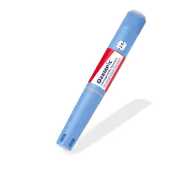
Brand-name semaglutide, such as Ozempic and Wegovy, and compounded semaglutide can all cause nausea because the side effect is tied to semaglutide itself, dose, and individual tolerance.
If you are trying to understand your current dose, review the semaglutide dosage guide or learn about the maximum dose of semaglutide.
How to Get Rid of Nausea From Semaglutide: 8 Tips
These tips are not complicated, but work best when used consistently. Start with food and hydration first. Then talk to your provider if nausea still interferes with your day.
1. Eat Smaller, More Frequent Meals
Large meals can sit in the stomach longer while you are on semaglutide. That can make nausea worse.
Try eating smaller portions every few hours instead of three large meals. Think half a sandwich, a small bowl of soup, yogurt, or eggs on toast. Stop before you feel full.
2. Avoid High-Fat, Fried, and Spicy Foods
Greasy and spicy foods are harder to tolerate when your stomach empties more slowly. They can increase nausea, reflux, burping, and stomach pressure.
Limit fried foods, creamy sauces, fast food, rich desserts, and very spicy meals, particularly in the first few days after your injection.
3. Sip Fluids Slowly Throughout the Day
Hydration helps, but drinking too much at once can stretch the stomach and worsen nausea.
Sip water slowly through the day. If plain water feels hard to tolerate, try ice chips, electrolyte drinks, diluted juice, ginger tea, or broth. Avoid chugging large amounts with meals.
4. Eat Slowly and Stop When Full
Semaglutide can make fullness arrive faster than you expect. Eating too quickly makes it easier to overshoot your limit.
Take smaller bites. Put your fork down between bites. Stop when you feel satisfied, not stuffed. Leftovers are better than nausea.
5. Stay Upright for 30 to 60 Minutes After Eating
Lying down after meals can make nausea, reflux, and burping worse.
Stay seated or take a slow walk after eating. Avoid intense exercise right after meals, but gentle movement can help some people feel less bloated.
6. Start Low and Escalate Slowly
Nausea often gets worse after dose increases. If you feel sick after every step up, your body may need more time.
Do not change your dose on your own. Ask your provider whether it makes sense to stay at your current dose longer, move up more slowly, or consider a lower-dose plan. Ivy Rx providers help patients review dose timing and tolerability when nausea shows up during treatment.
If you are sensitive to GLP-1 side effects, you may also want to learn about a GLP-1 microdosing schedule.
7. Try Ginger or Peppermint
Ginger may help some types of nausea. You can try ginger tea, ginger chews, or a small amount of real ginger in food.
Peppermint tea may also feel soothing for some people, although it can worsen reflux in others. Keep it simple and stop if it makes symptoms worse.
8. Ask Your Provider About Anti-Nausea Medication
If food changes are not enough, ask your provider about short-term nausea medicine. Do not add medication on your own, especially if you take other prescriptions or have heart rhythm, liver, or electrolyte concerns.
Your provider may also check whether the nausea is dose-related, whether you need slower escalation, or whether another GLP-1 option would be easier to tolerate.
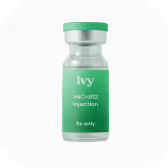
If you are using a personalized formulation, read more about compounded semaglutide with B12 and ask your provider which ingredients are in your prescription.
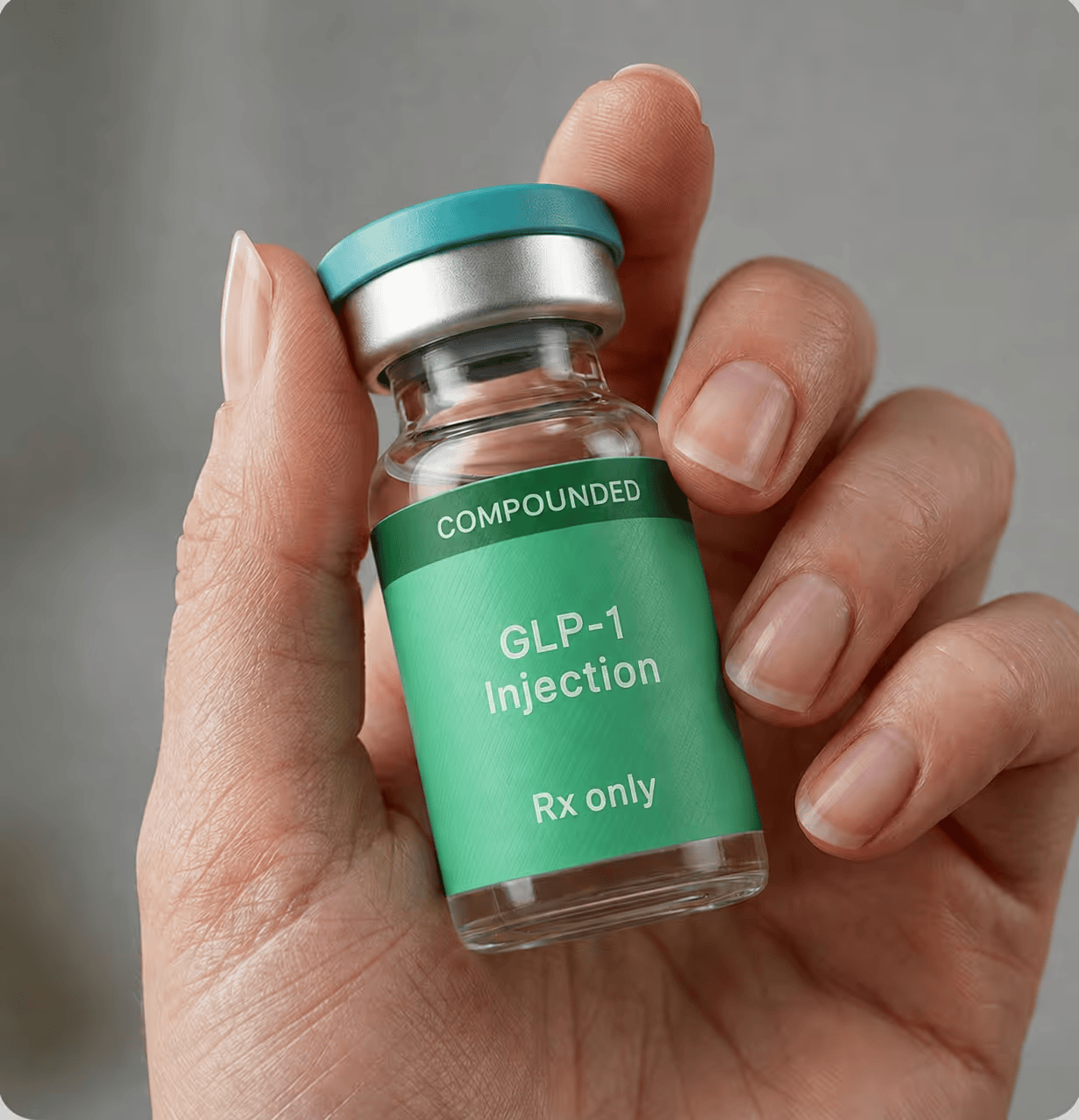
Struggling with nausea on your current dose? Struggling with nausea on your current dose? Ivy Rx providers help review your dosing approach and treatment options for patients on Personalized GLP-1 Injections and other GLP-1 plans.
What to Eat and Avoid When Nauseous on Semaglutide
When you feel nauseous, aim to reduce stomach load. For this, you need to choose plain, lower-fat foods that are easier to digest. Avoid foods that sit heavy, trigger reflux, or make fullness more intense.
A balanced semaglutide diet plan can help you get enough protein, fiber, fluids, and micronutrients while eating smaller meals.
During a nausea flare, do not force a big “healthy” meal. A small, plain meal you can keep down is better than a large meal that makes you vomit.
If side effects are the main reason you are struggling, it may also help to review side effects of microdosing GLP-1.
How Long Does Semaglutide Nausea Last?
Semaglutide nausea often shows up when you first start treatment or move to a higher dose. Many people notice it most in the first few days after an injection.
For some patients, nausea improves within a few days. For others, it may come and go during the first few weeks. It can also return after a dose increase.
A common pattern looks like this:
If nausea is not improving, do not push through silently. Your provider may keep you at the same dose longer, slow the next increase, or adjust your plan.
If nausea is paired with strong hunger, stalled results, or appetite changes, these guides on feeling hungry on semaglutide and semaglutide not working may help you understand what else could be going on.
Can You Take Anti-Nausea Medication With Semaglutide?
Yes, some anti-nausea medicines may be used with semaglutide when your provider says they are appropriate.
A common option is ondansetron, often known by the brand name Zofran. Ivy Rx also offers anti-nausea tablets for eligible patients using GLP-1 medications.
Do not start anti-nausea medicine without medical guidance. Your provider needs to consider your health history, other medications, constipation risk, heart rhythm risk, and how severe your symptoms are.
Possible options your provider may discuss include:
Short-term nausea relief can help you stay consistent, but it should not hide a bigger problem. If vomiting, dehydration, or severe abdominal pain is present, contact your provider.
For more safety context, read whether compounded semaglutide is safe and how patients describe compounded semaglutide reviews.
Still Feeling Sick? It Might Be Time to Review Your GLP-1 Plan
If nausea is making you skip meals, miss work, avoid doses, or dread treatment day, it is time for a real provider conversation.
You may not need to stop treatment completely. Your provider may consider:
- Slowing dose escalation: Staying at the same dose longer can give your body more time to adjust.
- Going back to a lower dose: If nausea started after a dose increase, the higher dose may not be tolerable yet.
- Trying a lower-dose approach: Some patients may be better suited to a microdosing GLP-1 plan.
- Checking the formulation and instructions: If you use compounded semaglutide, confirm the concentration, injection volume, and dosing directions.
- Discussing another GLP-1 option: Some people tolerate one medication better than another, but tirzepatide can also cause nausea.
- Considering oral semaglutide: This may help patients who struggle with injections, although it can still cause stomach side effects.
Ivy Rx providers can help review your dose, side effects, and options if nausea is getting in the way of treatment. The goal is not to force your body through a plan that feels unmanageable. It is to find a dosing approach you can follow safely.
Compare semaglutide vs tirzepatide for weight loss, review alternatives to Ozempic, or learn how semaglutide tablets differ from injections.
When to Call Your Doctor About Semaglutide Nausea
Mild nausea is common. Severe symptoms are different. Seek medical attention right away if you have:
- Severe or ongoing vomiting
- Signs of dehydration, such as dizziness, very dark urine, or not urinating much
- Severe stomach pain that does not go away
- Pain that spreads to your back
- Fever with vomiting or severe abdominal pain
- Yellowing of the skin or eyes
- Trouble breathing, facial swelling, or widespread rash
- Confusion, fainting, or severe weakness
- Low blood sugar symptoms if you use insulin or a sulfonylurea
Also call your provider if:
- Nausea lasts longer than expected
- You cannot eat enough protein or drink enough fluid
- You are skipping doses because you feel sick
- Symptoms return every time the dose increases
- Constipation, reflux, or bloating becomes difficult to manage
- You are unsure whether your dose or injection volume is correct
Do not stop and restart semaglutide repeatedly without guidance. Missed doses and restarts can affect tolerability and may require a different dosing plan.
If you are comparing side effects across treatments, you may also want to review tirzepatide side effects.
Manage Semaglutide Nausea With the Right Support From Ivy Rx
Semaglutide nausea can be frustrating, but it is often manageable with smaller meals, slower eating, better hydration, and the right dose plan.
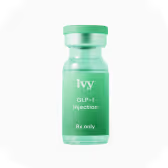
Ivy Rx gives patients access to provider-guided GLP-1 care, including help with dose timing, side effect questions, and treatment adjustments when needed. If prescribed, Ivy Rx’s Personalized GLP-1 Injections are made in the USA and available through an online assessment, licensed-provider review, home delivery, and ongoing support.
If nausea is getting in the way of your current plan, you do not have to guess your way through it. Contact the care team or ask your provider whether short-term nausea support may be appropriate.
FAQs
What Can I Take for Nausea While on Ozempic or Wegovy?
Sometimes, providers prescribe anti-nausea medication like ondansetron. Do not start it without medical guidance, especially if you have constipation, heart rhythm risks, or take other medications.
Is It Normal to Feel Sick After Every Semaglutide Injection?
Sometimes, mild nausea after injections can happen. If it happens every week, feels severe, or affects eating and hydration, contact your provider.
Does Semaglutide Nausea Get Better After Each Dose Increase?
Often, yes. Nausea may return after a dose increase, then ease as your body adjusts. If it does not improve, ask about slowing escalation.
Should I Stop Taking Semaglutide if the Nausea Is Severe?
Do not stop or change your dose without contacting your provider unless you are having urgent symptoms. Severe vomiting, dehydration, or severe abdominal pain needs medical help.

%25201.avif)

Ivy RX patients
Members of Ivy RX branded medications were paid for their testimonials.
Related
Resources

Liraglutide Cost in 2026 Prices With & Without Insurance
Liraglutide costs $500 to $1,700 per month without insurance. Generic versions and discount cards can cut costs to under $500 per month.
.jpg)
Glutathione Injections Benefits, Risks & Side Effects (2026)
Do glutathione injections really work? Explore the evidence behind their proposed skin, antioxidant, anti-aging, and wellness benefits.

Ro Weight Loss Review 2026 Cost, Legitimacy & Verdict
Ro weight loss review: the Ro Body program is a legit brand-name GLP-1 service, but a $149/mo membership plus separate medication means $4,000+ a year