










.avif)




Article Outline
Start your personalized GLP-1 program


Saxenda Diet Plan: What to Eat & Avoid [2026]
You started Saxenda. Your appetite dropped. You are eating less, but your meals still need to support your results.
Since the medication reduces how much you eat, your diet should support your desired results.
This guide covers the best foods for Saxenda, what to avoid, a 7-day meal plan, and how to reduce side effects.
How Saxenda Changes Your Appetite and Eating Habits
Saxenda (liraglutide) is a GLP-1 receptor agonist. It mimics a natural hormone that your body releases after eating. This hormone signals fullness to your brain, slows the rate at which food leaves your stomach, and helps regulate blood sugar.
Most times, three things change when you start Saxenda:
- You feel full faster: Meals that used to feel normal may now feel like too much food.
- You stay full longer: Slower gastric emptying means food sits in your stomach longer between meals.
- Cravings decrease: The medication reduces brain signals that regulate appetite, which may quiet the food noise many patients describe before treatment.
What Is the Best Diet While Taking Saxenda?
There is no single "Saxenda diet." But because the medication slows gastric emptying and reduces hunger, the right approach works with that shift, not against it.
Five principles to build around for your diet:
- Prioritize protein: Protein keeps you feeling full longer and helps protect muscle mass during weight loss. Aim for a source at every meal.
- Choose complex carbs over refined ones: Whole grains, legumes, and vegetables steady blood sugar. White bread, sugary snacks, and processed grains spike it.
- Add fiber-rich foods: Fiber supports digestion and helps regulate blood sugar, both of which matter more when gastric emptying is already slowed.
- Include small amounts of healthy fats: Fats aid nutrient absorption and provide sustained energy. Avocado, olive oil, nuts.
- Eat smaller portions: Saxenda already reduces appetite. Eating less per sitting may help prevent nausea and bloating caused by overfilling a slower-moving stomach.
Best Foods to Eat on Saxenda
Every food on this list earns its place because it either supports satiety, protects muscle, stabilizes blood sugar, or reduces the likelihood of GI side effects.
Lean Protein (Your Foundation)
Protein should be a priority. It keeps you fuller for longer, fuels muscle recovery, and preserves lean mass as you lose weight.
Where your total food intake drops, every meal needs a protein source to make the smaller volume count.
Common protein-rich foods you should take:
- Eggs: Complete protein, easy to prepare, and gentle on the stomach. Scrambled, boiled, or poached all work well during early titration.
- Chicken breast or turkey: High protein, low fat. Grill, bake, or shred into salads. Avoid breaded or fried preparations.
- Fish and seafood: Salmon, cod, shrimp, and tuna provide protein plus omega-3 fatty acids. Baked or grilled fish is easier to digest than fried.
- Greek yogurt: High in protein, lower in sugar than regular yogurt. Add berries for fiber. Choose plain over flavored to control added sugar.
- Tofu and tempeh: Plant-based options with solid protein content. Season well and pair with vegetables.
- Cottage cheese: Protein-dense and soft in texture, which may be easier to tolerate during the first weeks.
Fiber-Rich Foods (Digestion and Blood Sugar)
Fiber slows glucose absorption, supports gut health, and helps you feel full without overwhelming your system.
Common fiber-rich foods you should take:
- Non-starchy vegetables. Broccoli, spinach, kale, zucchini, bell peppers, cauliflower. These should fill half your plate. Low in calories, high in micronutrients.
- Legumes. Lentils, chickpeas, black beans. High in both fiber and protein. Start with small portions if you experience bloating.
- Oats. Slow-release energy is gentle on the stomach. Steel-cut or rolled oats over instant oats, which often contain added sugar.
- Berries. Strawberries, blueberries, raspberries. Lower in sugar than most fruits, high in fiber, and antioxidants.
- Sweet potatoes. Complex carbs with fiber. Bake or roast rather than fry.
Healthy Fats (Energy and Nutrient Absorption)
Fat helps your body absorb vitamins A, D, E, and K. Small amounts go a long way. But too much fat, especially from fried foods, may worsen nausea.
Common healthy fats:
- Avocado. Healthy monounsaturated fat plus fiber. Half an avocado per meal is a reasonable portion.
- Olive oil. Use for cooking or light dressings. One to two tablespoons per meal.
- Nuts and seeds. Almonds, walnuts, chia seeds, flaxseeds. Calorie-dense, so portion control matters. A small handful is enough.
- Fatty fish. Salmon and mackerel pull double duty here, providing both protein and omega-3s.
Low-Glycemic Carbs (Sustained Energy)
Complex carbohydrates provide energy without the blood sugar spikes that come from refined options.
Examples of carbs:
- Quinoa. Complete protein and complex carb in one. Pairs well with any protein source.
- Brown rice. Slower to digest than white rice. Keeps blood sugar steadier.
- Whole-grain bread. Choose breads with visible grains. Avoid anything that lists "enriched flour" as the first ingredient.
- Barley and farro. High-fiber ancient grains that work in soups, salads, and side dishes.
Foods to Avoid (or Limit) While Taking Saxenda
Because Saxenda slows food digestion in the body, you should avoid any food that may be hard to digest or spike your blood sugar.
Examples of foods you should limit or totally avoid, in no particular order.
Greasy and Fried Foods
Fried chicken, French fries, fast food, and heavily oiled dishes sit in your stomach longer when digestion is already slowed.
This may worsen nausea, bloating, and abdominal discomfort. Swap fried preparations for baked, grilled, or steamed.
Sugary Foods and Drinks
Candy, pastries, soda, fruit juice, and sweetened cereals cause rapid spikes in blood sugar, followed by crashes.
These crashes may trigger hunger and cravings that work against what Saxenda is trying to do. Choose whole fruit over juice. Water or herbal tea over soda.
Large, Heavy Meals
Your stomach empties more slowly on Saxenda. A large meal may sit undigested for hours, causing discomfort, bloating, and nausea.
Eating three smaller meals with one to two light snacks may be more tolerable than two or three large ones.
Alcohol
If you do drink, limit intake and avoid drinking on an empty stomach.
Because alcohol adds empty calories, may lower blood sugar unpredictably, and irritates the GI tract.
So while on a Saxenda medication, the alcohol you take may cause nausea or severe stomach pains.
For more on how diet pairs with GLP-1 treatment, see our GLP-1 diet guide.
Sample 7-Day Saxenda Diet Plan
This 7-day Saxenda diet plan focuses on small, protein-forward meals that are easy to prepare and gentle on the stomach.
Adjust portions based on your appetite and tolerance.
Pantry stock-worthy snack ideas (one to two per day):
- Hard-boiled eggs.
- Plain Greek yogurt with a few berries.
- Carrot and celery sticks with hummus.
- A small handful of almonds or walnuts.
- Apple slices with a tablespoon of almond butter.
Explore personalized GLP-1 injections through Ivy Rx, including dietary guidance, to support your treatment.
How to Eat to Reduce Saxenda Side Effects
Most Saxenda side effects happen during the first weeks of treatment and during dose increases. What you eat and how you eat may reduce their severity.
1. Eat Smaller Meals More Often
Three small meals and one to two snacks spread your intake across the day. Your stomach empties more slowly on Saxenda, so smaller volumes at each sitting are easier on your system.
2. Eat Slowly and Chew Thoroughly
Your brain needs time to register that your stomach is full. If you finish a meal in five minutes, you have likely eaten more than your body needed before the satiety signal catches up.
Slow down. Put your fork down between bites. Aim for 15-20 minutes per meal.
3. Stay Hydrated Between Meals
Drink water throughout the day, but avoid large amounts during meals. Filling your stomach with water and food simultaneously may increase discomfort. Sip between meals instead.
4. Avoid High-Fat Foods During Titration
Fat takes the longest to digest in the body, and this may make you feel nauseous. So limit high-fat foods.
You can gradually reintroduce healthy fats as your tolerance improves.
5. Keep a Food Journal
Track what you eat and how you feel afterward. Patterns will emerge. You may discover that certain foods consistently trigger nausea or bloating, while others sit well.
This data helps your provider adjust your plan.
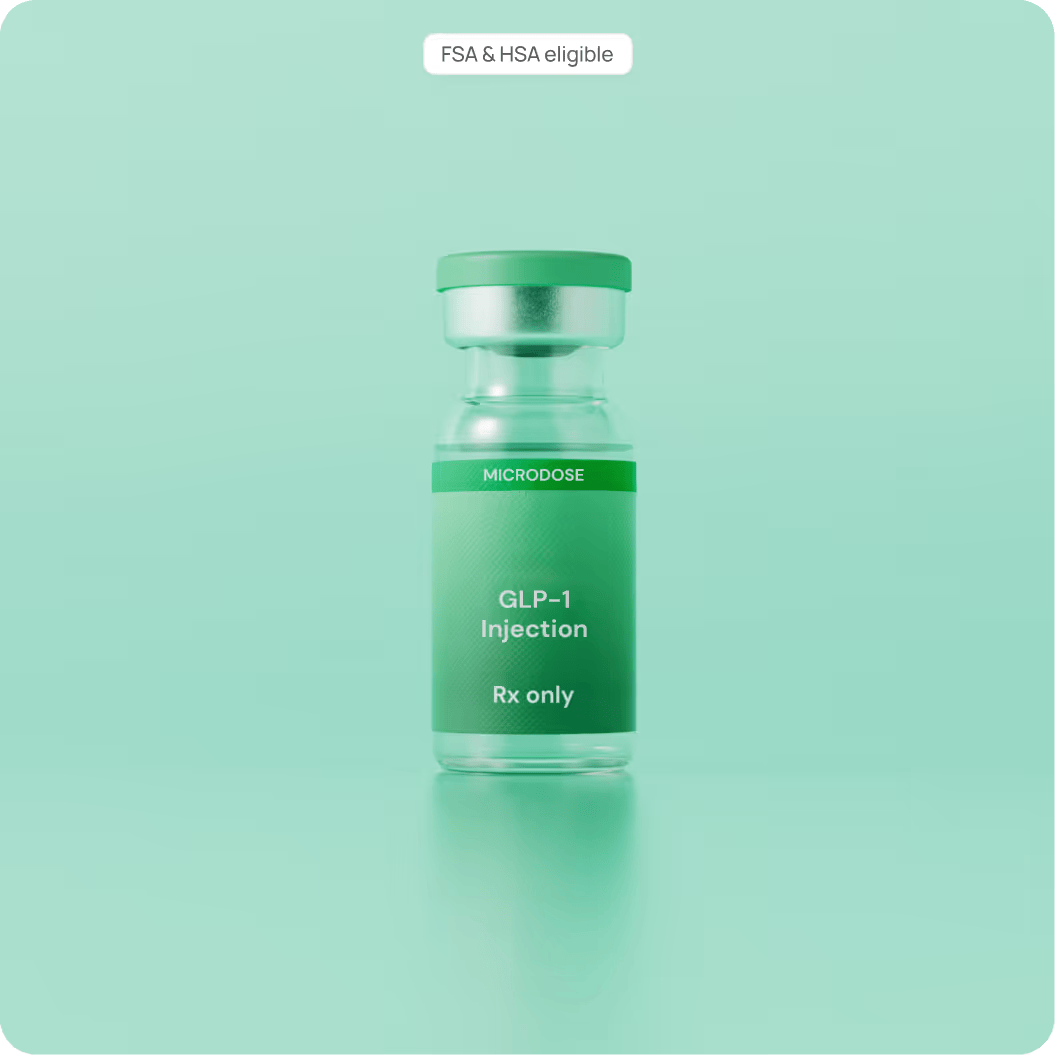
With provider-guided plans, diet and dosing may be adjusted together to reduce side effects more effectively. Ivy Rx offers personalized GLP-1 injections starting at $175/month with ongoing provider support. If you prefer a lower starting dose to ease into treatment, Ivy Rx also offers microdose GLP-1 injections.
Common Diet Mistakes on Saxenda
Here are common diet mistakes to watch for when starting Saxenda.
What Are the Alternatives to Saxenda?
If Saxenda is not the right fit because of cost, availability, or tolerability, several alternatives exist.
- Semaglutide (Wegovy/Ozempic): This is a once-weekly GLP-1 injection that may produce greater weight loss than liraglutide. Wegovy is FDA-approved for weight management. Ozempic is approved for the treatment of type 2 diabetes.
- Read more on how much Wegovy costs without insurance.
- Tirzepatide (Mounjaro/Zepbound): This is a dual GLP-1/GIP receptor agonist that targets two gut hormones instead of one. See our guide on how much Mounjaro costs without insurance.
- Personalized GLP-1 injections: If brand-name pricing or insurance barriers are the main obstacles, Ivy Rx offers personalized GLP-1 injections with a monthly cost starting at $175, including medical evaluation, dosing guidance, and ongoing support.
Who Should Follow a Structured Saxenda Diet Plan?
Not everyone needs a rigid meal plan. But a structured approach may help if you recognize yourself in any of these situations.
- You are new to Saxenda and navigating side effects: Planned meals remove the guesswork during those first uncomfortable weeks, when nausea and low appetite make every food choice feel like a gamble.
- You have a history of blood sugar swings: Consistent, balanced meals keep glucose levels steady throughout the day rather than letting them spike and crash.
- You have struggled with portion control: A meal plan provides guardrails. You make fewer decisions at the table, which means less reliance on willpower when you are tired or distracted.
- You have specific weight loss goals: Tracking what you eat alongside your medication may help you lose weight more predictably and spot patterns that slow your progress.
Even the best meal plan fails if it does not fit your life. If planning a full week feels overwhelming, start with three structured dinners and build from there.
For more on the benefits of microdosing GLP-1 to ease into treatment, see our guide.
Start Your Personalized Weight Loss Plan With Ivy Rx
The right diet makes Saxenda work harder. But diet alone is one piece. The medication, the dosing, and the provider behind it complete the picture.
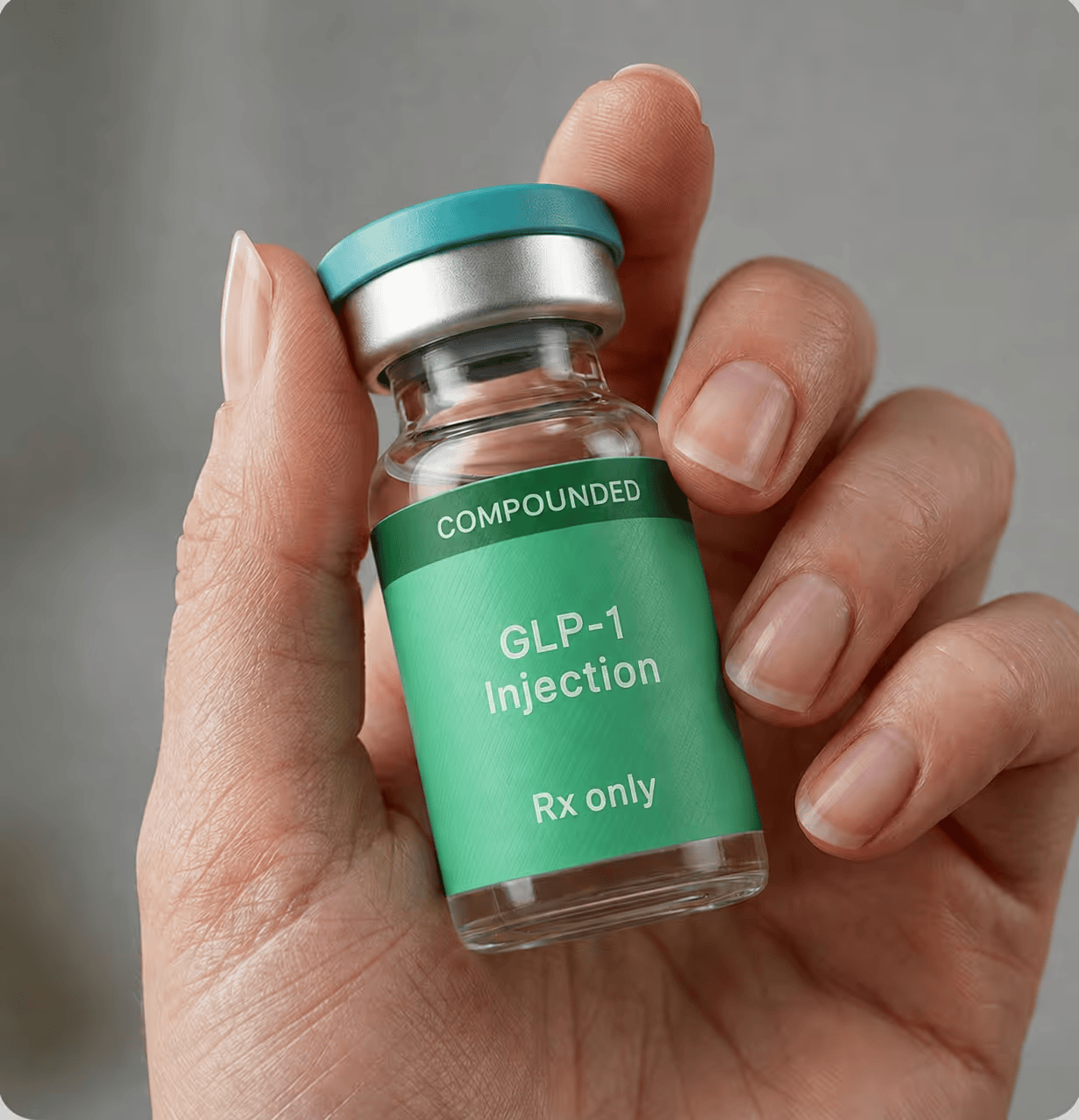
Ivy Rx offers personalized GLP-1 injections starting at $175 per month. A licensed provider evaluates your health, guides your dosing, and stays with you throughout treatment. Everything online. No insurance required.
If you prefer a gentler start, Ivy Rx also offers microdose GLP-1 injections with the same level of care.
FAQs
1. How Much Weight Can You Lose With Saxenda and the Right Diet?
Typically, 5-10% of body weight over 56 weeks when Saxenda is combined with a reduced-calorie diet and regular physical activity. Individual results depend on adherence, starting weight, and lifestyle factors.
2. Is Saxenda Stronger Than Ozempic?
No. Clinical data show semaglutide (the active ingredient in Ozempic) produces greater average weight loss than liraglutide (Saxenda).
In the STEP 8 trial, semaglutide achieved 15.8% weight loss versus 6.4% for liraglutide over 68 weeks.
3. Can I Eat Normally on Saxenda?
Yes, but "normally" should shift toward healthier choices. There are no strict food restrictions, but a diet rich in protein, fiber, and whole foods will produce better results and fewer side effects than a diet high in processed foods and sugar.
4. Should I Count Calories on Saxenda?
Not necessarily. Saxenda naturally reduces your appetite, lowering calorie intake without active calorie counting.
Focus on food quality first. If you plateau, tracking calories for a short period may help identify where adjustments are needed.
5. How Soon Should I Change My Diet After Starting Saxenda?
Immediately. Start eating smaller, protein-rich meals from day one. Your appetite will decrease during the titration period, and having a plan in place before that happens helps you make nutrient-dense choices rather than skipping meals.

%25201.avif)

Ivy RX patients
Members of Ivy RX branded medications were paid for their testimonials.
- Pi-Sunyer, X., et al. (2015). A randomized, controlled trial of 3.0 mg of liraglutide in weight management (SCALE). New England Journal of Medicine. https://pubmed.ncbi.nlm.nih.gov/26132939/. DOI: 10.1056/NEJMoa1411892.
- Rubino DM, Greenway FL, Khalid U, O'Neil PM, Rosenstock J, Sørrig R, Wadden TA, Wizert A, Garvey WT; STEP 8 Investigators. Effect of Weekly Subcutaneous Semaglutide vs Daily Liraglutide on Body Weight in Adults With Overweight or Obesity Without Diabetes: The STEP 8 Randomized Clinical Trial. JAMA. 2022 Jan 11;327(2):138-150. https://pubmed.ncbi.nlm.nih.gov/35015037/. DOI: 10.1001/jama.2021.23619
Related
Resources

Saxenda vs Ozempic Comparison (Which Should You Choose?)
Compare Saxenda vs Ozempic for weight loss: results, cost, side effects, and how to choose the right GLP-1 for your goals.

Saxenda vs Semaglutide: Differences, Price, & How to Choose
Deciding between Saxenda vs Semaglutide? Learn about the costs, side-effects, effectiveness, and more in our in-depth comparison.

Saxenda vs Wegovy: Differences, Price, and How to Choose
Deciding between Saxenda vs Wegovy? Learn about the costs, side-effects, effectiveness, and more in our in-depth comparison.