








.avif)


Article Outline
Lose weight with Ozempic


6-Week Plan Ozempic Weight Loss Results (Before & After)
Six weeks feels like the perfect window to prove a new medication is working, and the scale rarely cooperates that fast.
If you are starting Ozempic and wondering what six weeks will actually look like, here is the honest answer: expect small, steady changes, usually a few pounds and a noticeably smaller appetite, not a dramatic transformation. The first month is a low dose designed to help your body adjust, so most of the visible progress starts once the dose increases.
This guide walks through the 6-week plan Ozempic weight loss results week by week, with real data, community reports, and the mistakes that hold people back, so you know what is normal and what to watch for.
What Is Ozempic and How Does It Work?
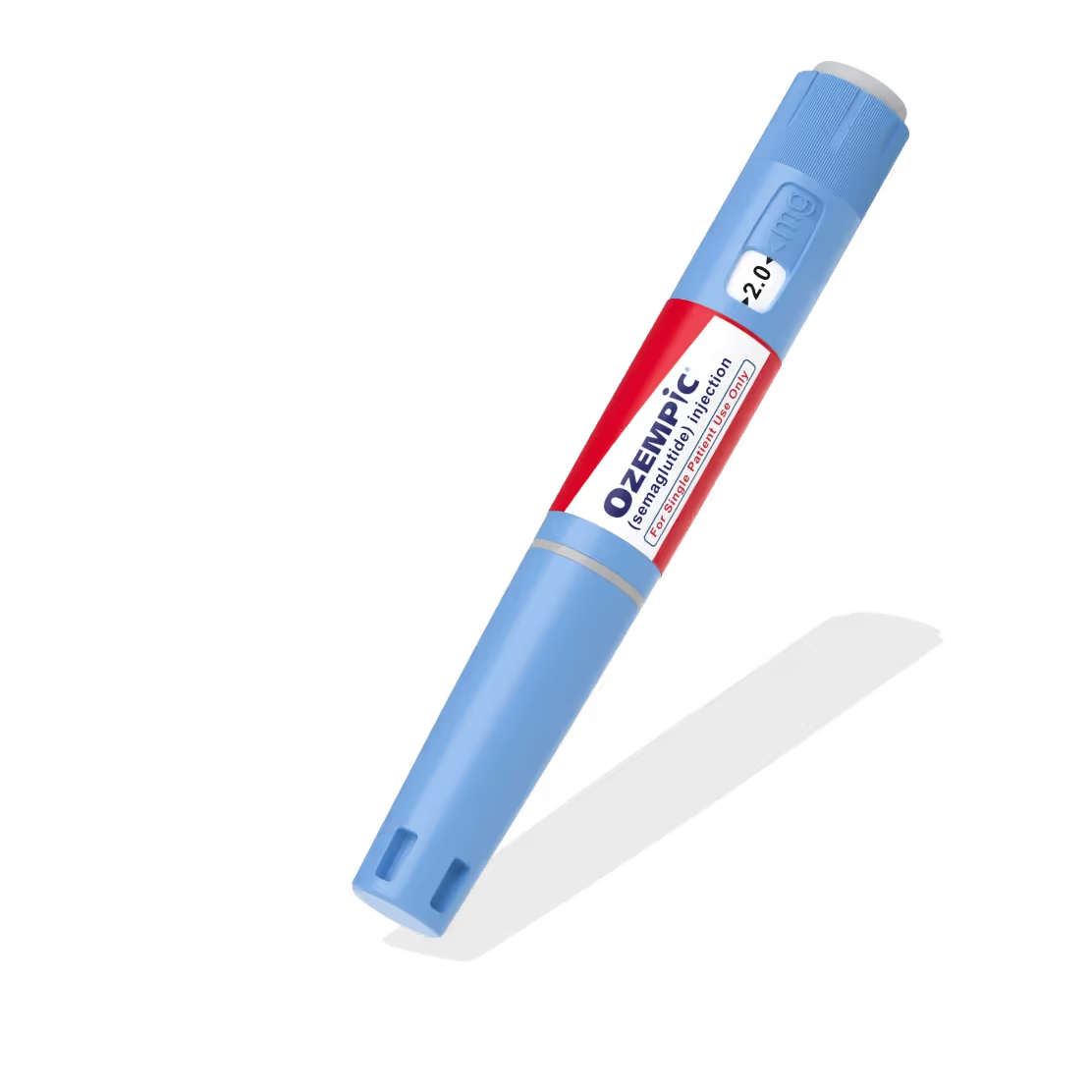
Ozempic is a once-weekly injectable medicine that a provider prescribes to help manage blood sugar. Its active ingredient is semaglutide, a GLP-1 receptor agonist. It works like a natural body signal called GLP-1 that tells your brain you are full, which helps you eat less by reducing cravings.
Ozempic also slows how fast food leaves your stomach, so you feel full for longer. And it prompts your body to release more insulin when blood sugar is high, which lowers blood sugar levels.
Ozempic is FDA-approved for type 2 diabetes, not weight loss. The same active ingredient at a higher dose is sold as Wegovy, which carries the weight-loss approval. Providers can still prescribe Ozempic off-label for weight management when they judge it appropriate and safe for you.
How Long Does It Take for Ozempic to Work?
Appetite changes come first, and weight changes come later. Many people feel less hungry within the first week or two, but the scale takes longer to move.
In clinical data, people lost about 2% of their body weight by the end of the first month. That is because the starting dose is deliberately low and the medication needs several weeks to reach a steady level in your body.
Community reports line up with that. Discussions in the r/Ozempic community show that most users notice appetite reduction (often called "food noise" going quiet) before the scale moves, a common stall around week four, and steadier loss once the dose steps up. Results tend to be slower for people who do not adjust their diet alongside the medication.
What to Expect in the First 6 Weeks
The first six weeks follow a fairly predictable arc. Side effects and appetite changes early, then the beginning of steadier weight loss once your dose increases. Here's what that looks like at a glance.
Week-by-Week Ozempic Results
Here is a closer look at what tends to happen each week, based on the standard titration schedule and what real users report.
Week 1
Your first dose is 0.25 mg, the lowest strength. This is an initiation dose, not a therapeutic one. Its job is to help your body get used to the medication and limit stomach side effects rather than drive weight loss.
Most people notice little to nothing on the scale this week. Some feel mild nausea, fatigue, or a slightly reduced appetite as GLP-1 activity begins. These effects are usually mild and fade as your body adjusts.
The best move in week one is to set your baseline. Weigh yourself, take a photo, and note your usual portion sizes. You will want that reference point later.
Week 2
Still at 0.25 mg. By now, many people start to feel the appetite change more clearly. Meals feel filling sooner, and the urge to snack between meals often eases.
The scale may not reflect much yet, and that is normal. Any early drop is often water weight and reduced food intake rather than meaningful fat loss.
Week 3
Still at 0.25 mg, but the effect is usually stronger. Smaller portions start to feel like your new normal, and cravings for sugary or heavy foods often fade.
Some people see a few pounds down by now; others see very little. Both are within the normal range. Your starting weight, diet, and activity all affect the pace.
This is a good week to lock in habits, such as balanced plates, regular movement, and consistent meal timing that supports the appetite changes you are feeling.
Week 4
You are finishing the initiation phase, still at 0.25 mg. This is where many people hit a stall, sometimes called the week-four plateau. It is one of the most reported patterns in community discussions, and it does not mean the medication has stopped working.
The drug is reaching a steady level in your body and preparing for the dose increase ahead. Weight may hold flat or dip slightly.
Stay consistent; the plateau usually breaks once the dose steps up.
Week 5
Your dose typically increases to 0.5 mg, the first therapeutic maintenance dose. This is often when weight loss becomes more noticeable, because you are now at a strength meant to have a real effect.
Appetite suppression tends to feel stronger, and portions shrink further. A temporary bump in side effects like nausea can happen after any dose increase, and then it settles.
Keep tracking. Steadier movement on the scale often starts around here.
Week 6
At the end of week six, most people are settling into the 0.5 mg dose with a clearer downward trend. Appetite is lower, habits are forming, and the pieces are working together.
Community reports commonly land around 6 to 10 pounds lost by this point, though individual results vary widely. Belly changes at six weeks are usually internal rather than dramatic in photos. Looser waistbands are more common than a visible difference.
Tips for More Effective 6-Week Ozempic Weight Loss Results
Small, consistent choices make the biggest difference in these early weeks. Here are five that help.
1. Pair the Medication With Real Diet Changes
Ozempic lowers appetite, but it does not choose your food for you. The people who see the best early results use that reduced hunger to eat better, not just less.
Build meals around protein, vegetables, and whole grains so you stay full and get the nutrients your body needs, which a structured semaglutide diet plan makes easier to follow. Community reports consistently show slower progress for people who change nothing about their diet. Think of the medication as making healthy eating easier rather than optional.
2. Track Progress Beyond the Scale
Weight is only one signal, and it is a noisy one in the first six weeks. Weigh yourself on a consistent schedule, but also track portion sizes, cravings, energy, and how your clothes fit. Photos and a simple food journal help you see progress the scale misses, especially during the week-four stall. Tracking also flags plateaus early, so you and your provider can adjust before frustration sets in.
3. Drink Plenty of Water
Steady hydration eases two of the most common early side effects: constipation and nausea. It also helps you feel fuller, which works with the medication rather than against it. Aim for consistent water intake through the day rather than large amounts at once. If nausea hits, small sips and plain fluids like water or ginger tea tend to sit better than heavy or carbonated drinks.
4. Manage Side Effects Instead of Quitting
Nausea, fatigue, and stomach upset are most common in the first few weeks and usually fade as your body adjusts. Many people quit too early and never reach the dose where results pick up.
Smaller meals, avoiding high-fat foods, and staying upright after eating all help, and knowing the common GLP-1 side effects in advance makes them easier to handle. If side effects are severe or do not settle, talk to your provider about adjusting your plan rather than stopping on your own.
5. Stay Consistent and Patient
Six weeks is a starting point, not the finish line. The first month is a low dose by design, and most of the weight effect builds later, which is also why a plan to keep weight off after semaglutide matters from the start.
Take your dose on the same day each week, keep your habits steady through the week-four plateau, and give the process time. With a provider-guided program like Ivy Rx, your dosing, nutrition, and progress tracking stay aligned.
How Much Weight Can You Lose in 6 Weeks?
Realistically, a few pounds. Community reports from the r/Ozempic community commonly land around 6 to 10 pounds by week six, and clinical figures point the same direction: about 2% of body weight by the end of the first month.
Two things explain the modest number. First, the starting dose is low and non-therapeutic for four weeks. Second, Ozempic's diabetes dose (0.5 mg) is lower than the weight-loss dose used in the trials that report larger losses over many months, which is the dose reflected in the Wegovy dosage chart.
Your own result depends on starting weight, diet, activity, and how your body responds. Six weeks is enough to confirm the medication is working and to build the habits that carry the real progress later.
Common Mistakes in the First 6 Weeks
A few avoidable missteps slow people down or push them to quit before results arrive. Watch for these.
1. Expecting Dramatic Results Fast
The before-and-after photos online rarely show week six; they show months of progress. Going in expecting a big drop in six weeks leads to disappointment during the normal early plateau. Set your expectation at a few pounds and a smaller appetite, and you will stay motivated through the slow start.
2. Quitting During Early Side Effects
Nausea and fatigue are usually worst in weeks one to three, right before the dose increases and results improve. Stopping here means never reaching the point where the medication does its job. Manage the side effects with smaller meals and hydration, and loop in your provider before making any change.
3. Changing Nothing About Diet or Activity
Ozempic makes eating less easier, but it is not a standalone fix. People who keep the same habits tend to see the slowest results. Use the reduced appetite to build a better plate and add regular movement, even a daily walk, to get more from the first six weeks.
4. Adjusting Your Own Dose
The titration schedule exists to limit side effects and let the drug reach a steady level safely. Jumping ahead to a higher dose to speed things up raises your risk of nausea and other effects without better long-term results. Let your provider guide every dose change.
Get a GLP-1 Personalized Weight Loss Plan With Ivy Rx
Your first six weeks go better with a plan built around you. Ivy Rx pairs you with a licensed provider who sets your dosing, guides your nutrition, and tracks your progress, so you are not guessing through the early weeks.
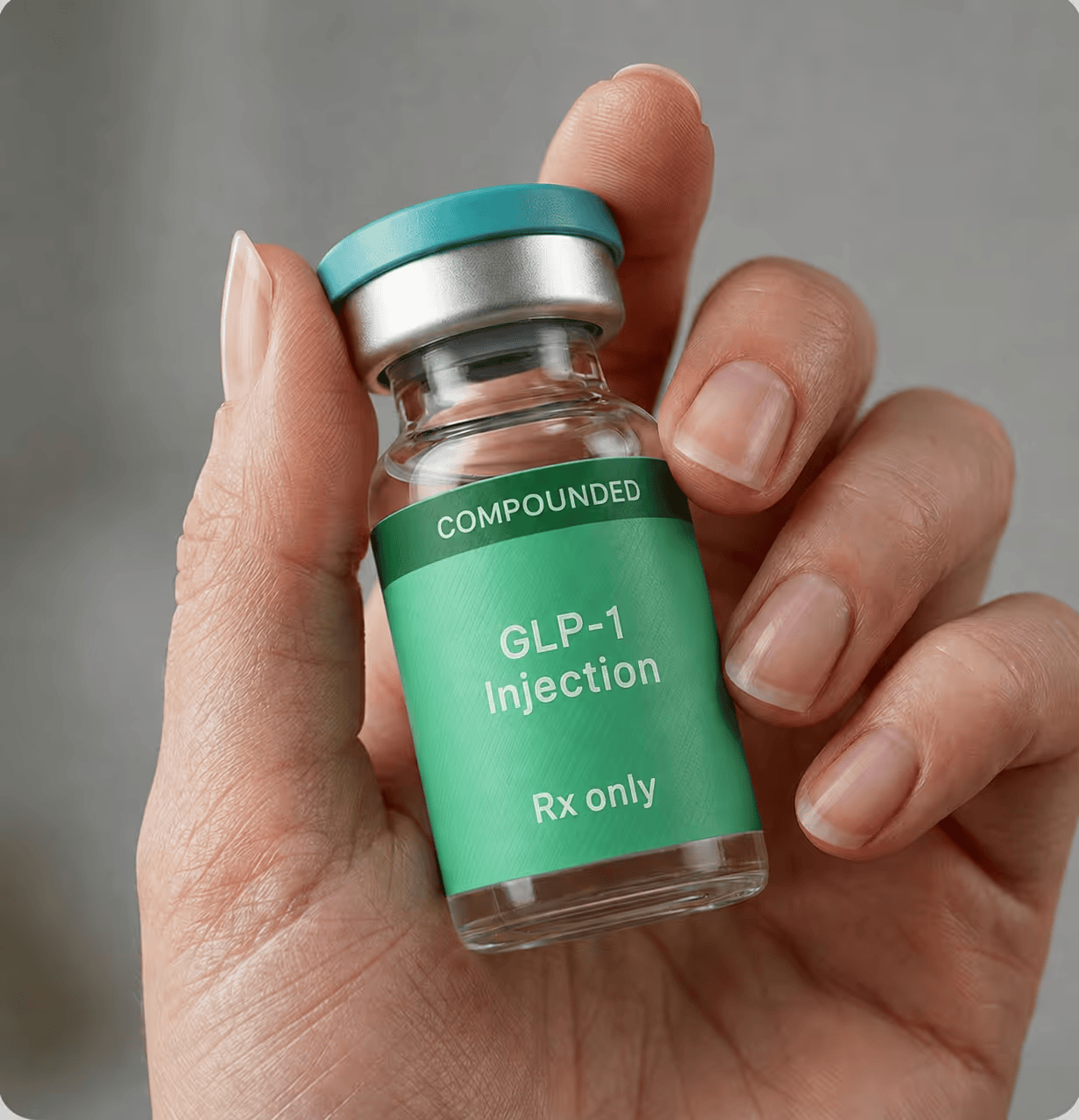
Start with a quick online visit, with no insurance required, and get Personalized GLP-1 Injections that’s made in the USA for as low as $97/month, shipped to your door.
Prefer a gentler start? Ask about microdose GLP-1 options.
FAQs
Can I Lose 10kg in 2 Months With Ozempic?
Unlikely. Most people lose a few pounds in the first six weeks, and losing 10 kg (about 22 pounds) in two months is far above the typical, safe pace.
How Much Weight Should You Lose on Ozempic in 6 Weeks?
Usually around 6 to 10 pounds, based on community reports, with appetite dropping before the scale moves. Individual results vary with dose, diet, and starting weight.
Who Will See Faster Results and Who Won't?
People who pair Ozempic with diet changes and activity tend to see faster results. Those who change nothing, or who are early in the low-dose phase, usually see slower progress.
Why Did My Weight Stall Around Week 4?
The week-four plateau is common and expected. It often breaks once your dose increases to 0.5 mg at week five and the medication reaches a steady level.
Is Ozempic Approved for Weight Loss?
No. Ozempic is FDA-approved for type 2 diabetes. Providers prescribe it off-label for weight management, while Wegovy (higher-dose semaglutide) carries the weight-loss approval.


Ivy RX patients
Members of Ivy RX branded medications were paid for their testimonials.
Related
Resources

What Does Semaglutide Do To Your Body?
Semaglutide is a drug similar to the endogenous GLP-1 peptide secreted from the intestinal L-cells. GLP-1 is released from the intestine and exh...

Semaglutide Diet Plan for Effective Weight Loss
Download a detailed Semaglutide meal plan PDF with expert tips to help you stay on track. Get your free guide and..
.avif)
Semaglutide 1 Month Results: Weight Loss, Side Effects & More
A full breakdown of Semaglutide results after 1 month. Understand its effects on weight loss, appetite control, and potential side effects.