









.avif)



Article Outline
Start your personalized GLP-1 program


Common GLP-1 Side Effects & How to Manage Them (From Real Research)
People starting a GLP-1 may expect nausea. They plan for it.
But what catches them off guard is the other side effects they didn’t plan for, the chills no one mentioned, and the period that suddenly arrives two weeks early.
Clinical trials capture part of the picture. Real-world data from over 400,000 patient reports fills in the rest.
This guide covers every documented side effect and every emerging signal, so nothing catches you off guard.
What Is Glucagon-Like Peptide-1 (GLP-1)?
GLP-1 stands for glucagon-like peptide-1, a hormone the gut naturally produces after eating.
It signals the brain to reduce hunger, slows stomach emptying, and helps regulate blood sugar.
GLP-1 receptor agonists are medications that mimic this hormone. They are prescribed for type 2 diabetes and chronic weight management.
In clinical trials, they have produced 6-22% body weight loss depending on the medication: liraglutide delivers roughly 6-8%, semaglutide 12-16%, and tirzepatide 18-22%.
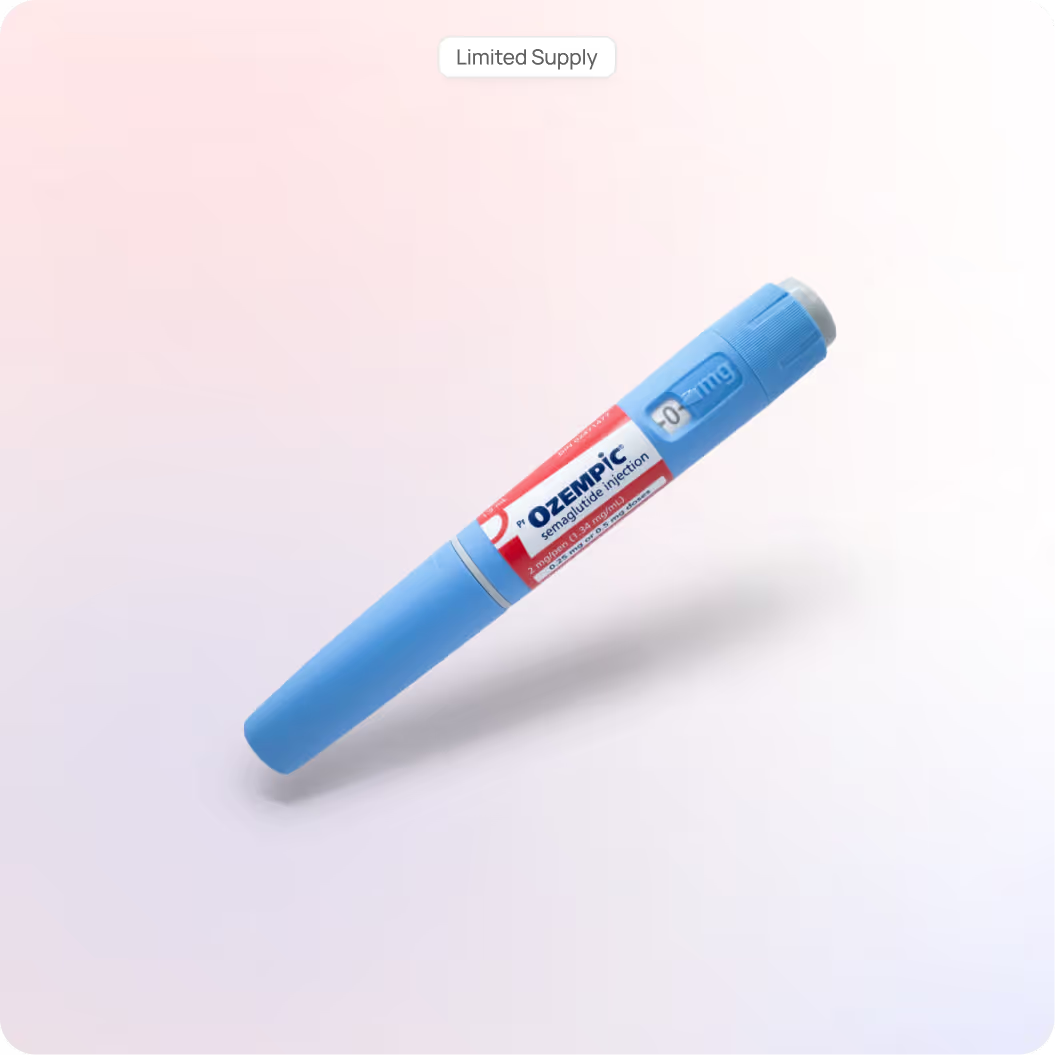
The most widely prescribed GLP-1 medications include semaglutide (Ozempic, Wegovy), tirzepatide (Mounjaro, Zepbound), liraglutide (Saxenda, Victoza), and dulaglutide (Trulicity).
All are subcutaneous injections; the needle enters the fat layer of the skin, not muscle, making them relatively painless to self-administer at home.
To explore which injection for weight loss may suit your profile, see our comparison guide.
What Are the Most Common GLP-1 Side Effects?
Most side effects are gastrointestinal. They occur because the medication slows digestion and changes how the gut processes food.
These effects peak during dose titration and improve as the body adjusts.
Frequency ranges span the full GLP-1 class.
Rates vary by medication; tirzepatide and higher-dose semaglutide tend to sit at the upper end, while liraglutide and dulaglutide tend to fall lower.
1. Nausea
The most frequently reported side effect across every GLP-1 medication. It peaks in the first 1-4 weeks and fades as the body adapts to each dose level.
Eating smaller, bland meals, avoiding greasy foods, and injecting at bedtime may help.
Ginger tea, crackers, or peppermint before meals may also settle the stomach.
2. Diarrhea
Occurs as the gut recalibrates to the medication's effect on motility.
Staying hydrated, temporarily avoiding dairy and high-fiber foods, and eating bland, low-fat meals may reduce episodes.
If diarrhea persists beyond the first month, contact a provider; persistent episodes may lead to dehydration and affect kidney function.
3. Constipation
The flip side of slower digestion. Food moves through the system more gradually, which may reduce stool frequency.
Increasing water intake, eating fiber-rich vegetables and whole grains, and staying physically active help keep things moving.
4. Vomiting
Closely tied to nausea. Follows the same timeline, worst during dose increases, fading after.
Eating smaller, more frequent meals instead of large ones reduces the risk. If vomiting is persistent or severe, a provider may slow the titration schedule.
5. Headache and Fatigue
Both tend to appear in the first few weeks as the body adjusts to eating less.
The calorie reduction that GLP-1 medications produce may temporarily affect energy and hydration.
Eating nutrient-dense meals and drinking 8-10 glasses of water daily helps. These symptoms generally resolve on their own.
6. Injection Site Reactions
Redness, swelling, or tenderness where the needle enters the skin. Rotating between the abdomen, thigh, and upper arm reduces cumulative irritation.
All GLP-1 injections go into the fat layer, making them relatively painless.
7. Menstrual Irregularities
An emerging finding not captured in most clinical trial labeling.
A 2025 pharmacovigilance study analyzing real-world patient reports found that roughly 17% of GLP-1 users reported reproductive symptoms, including irregular periods, heavier or lighter cycles, and changes in timing.
The mechanism is not fully understood but may relate to rapid weight loss, hormonal shifts, or the medication's metabolic effects. If menstrual changes occur, discuss them with a provider.
If you need more details on certain GLP-1 side effects and how to mitigate the symptoms, read our guides on Ozempic benefits and side effects and Tirzepatide side effects.
Other peptide side effects include Metformin side effects, sermorelin side effects, and lipotropic injection side effects.
Serious GLP-1 Side Effects to Watch For
Serious side effects are rare but demand immediate attention. These risks apply across the GLP-1 class, not to any single medication.
1. Pancreatitis
Cases of acute pancreatitis have been reported with GLP-1 medications. The hallmark symptom is severe, persistent abdominal pain that radiates to the back, with or without vomiting.
Stop the medication and seek emergency care. GLP-1 medications have not been studied in patients with a history of pancreatitis.
2. Gallbladder Problems
GLP-1 medications may increase the risk of gallstones and gallbladder inflammation. Rapid weight loss compounds the risk further.
Watch for upper abdominal pain, fever, nausea with vomiting, or yellowing of the skin or eyes.
3. Thyroid C-Cell Tumors
In a study, GLP-1 receptor agonists caused thyroid C-cell tumors, including medullary thyroid carcinoma (MTC). Whether this risk applies to humans remains unconfirmed.
All GLP-1 medications carry a boxed warning and are contraindicated for anyone with a personal or family history of MTC or Multiple Endocrine Neoplasia syndrome type 2 (MEN 2).
Watch for a lump in the neck, difficulty swallowing, or persistent hoarseness.
4. Acute Kidney Injury
Post-marketing reports have documented kidney injury in patients who became severely dehydrated from persistent vomiting or diarrhea.
Staying well-hydrated during treatment is essential, especially during titration when GI side effects peak. Report decreased urination, swelling, or unusual fatigue to a provider.
5. Hypoglycemia
GLP-1 medications alone rarely cause low blood sugar. But the risk rises when combined with insulin or sulfonylureas.
Symptoms include shakiness, sweating, confusion, and rapid heartbeat.
A provider may need to adjust diabetes medications when starting GLP-1 treatment.
6. Aspiration Risk Before Surgery
A newer safety concern. GLP-1 medications delay gastric emptying, which means food may remain in the stomach longer than expected.
During general anesthesia or deep sedation, this raises the risk of pulmonary aspiration such as stomach contents entering the lungs.
The FDA has updated GLP-1 prescribing labels to include this warning. If you have a scheduled surgery or procedure, inform the care team that you are taking a GLP-1 medication.
Most anesthesiologists recommend stopping the medication 1-3 weeks before elective procedures, though specific guidance varies.
7. Muscle Loss
Rapid weight loss on GLP-1 medications does not come entirely from fat. Research suggests that 20-40% of weight lost may be lean mass, including muscle.
This is sometimes called "GLP-1 body" or "Ozempic face" when facial volume loss becomes visible.
The risk is highest in patients who lose weight quickly without adequate protein intake or resistance exercise.
Eating at least 1.0-1.2 grams of protein per kilogram of body weight daily and incorporating strength training may help preserve muscle during treatment.
For more on the side effects of microdosing GLP-1, semaglutide headaches, and semaglutide withdrawal symptoms, see our detailed guides.

How to Manage GLP-1 Side Effects
Most side effects respond well to practical adjustments. These five strategies apply across the entire medication class and may reduce severity enough to stay on treatment long-term.
1. Follow the Titration Schedule
Do not skip ahead. Every GLP-1 medication starts at a low dose and increases gradually over weeks.
This exists to let the body adjust. Jumping to a higher dose too quickly is the single most common reason side effects feel overwhelming.
2. Eat Smaller, More Frequent Meals
Large meals overwhelm a stomach that is emptying more slowly. Three small meals and two snacks spread through the day may reduce nausea, bloating, and reflux.
A GLP-1 diet built around lean protein, fiber, and healthy fats supports both side effect management and muscle preservation.
3. Stay Hydrated
Dehydration worsens nearly every side effect, such as nausea, headache, constipation, dizziness, and fatigue, and all intensify when fluid intake drops. Aim for 8-10 glasses of water daily.
Sip between meals rather than during them. Ivy Rx also offers anti-nausea tablets that may help during the early weeks.
4. Consider Microdosing
If standard doses produce side effects that are difficult to tolerate, microdosing may offer a gentler path.
Lower doses still suppress appetite and promote weight loss while reducing the gastrointestinal burden.
See the benefits of microdosing GLP-1 and explore whether a GLP-1 alternative might better suit your tolerance.
5. Work with a Provider Who Monitors Progress
Side effect management is not one-size-fits-all. A provider who understands GLP-1 pharmacology may recommend slowing titration, adjusting the dose, pairing treatment with anti-nausea support, or switching between GLP-1 agonists to find a better fit.
Ivy Rx provides ongoing provider support as part of every plan, including guidance on managing tirzepatide side effects and traveling with GLP-1 medications.
When to Call a Doctor About GLP-1 Side Effects
Most side effects are mild and fade within weeks. But three categories of symptoms warrant immediate attention:
- Signs of a medical emergency: severe abdominal pain that does not subside, swelling of the face or throat, or yellowing of the skin or eyes. These may signal pancreatitis, an allergic reaction, or gallbladder disease.
- Signs of dehydration: persistent vomiting or diarrhea that does not respond to fluids, decreased urination, or dizziness when standing.
- Signs of a thyroid concern: a new lump in the neck, difficulty swallowing, or persistent hoarseness.
Do not wait for symptoms to escalate. If cost or access is a barrier to ongoing care, see our guide on how to get GLP-1 without insurance.
Manage Your Weight Loss Journey with a Personalized Plan from Ivy Rx
Side effects are part of GLP-1 treatment. How well they are managed often determines whether the medication works long enough to deliver lasting results.
Ivy Rx provides medical evaluations, provider-guided dosing, and personalized GLP-1 injections, which cost $175 per month.
Every plan includes ongoing monitoring so the treatment adjusts as the body does. No insurance needed. Medications shipped to your door.
If full-dose side effects feel like too much, microdose GLP-1 injections may offer a gentler starting point.
Start your evaluation with Ivy Rx today.
FAQs
1. Do all GLP-1 medications have the same side effects?
Mostly. All share a similar gastrointestinal profile because they act on the same pathway. However, intensity varies by medication.
A 2025 meta-analysis found tirzepatide carries the highest nausea risk, while dulaglutide tends to be better tolerated. A provider may help identify which medication best fits your tolerance.
2. How long do GLP-1 side effects last?
Typically 2-8 weeks. Most GI side effects peak during dose titration and fade at the maintenance dose.
If symptoms persist beyond 8 weeks, a provider may recommend a dose adjustment or medication switch.
3. Can I take anti-nausea medication while on a GLP-1?
Yes. Ginger supplements, vitamin B6, and prescription anti-nausea medications may all help.
Ivy Rx offers anti-nausea tablets designed to pair with GLP-1 treatment. Consult a provider before combining medications.
4. Will GLP-1 side effects get worse at higher doses?
Sometimes. Each dose increase may temporarily intensify nausea or GI symptoms.
These flare-ups usually settle within days. Following the recommended titration schedule gives the body time to adjust at each level.
5. Are GLP-1 side effects worse for weight loss than for diabetes?
Slightly. Clinical data show higher GI side effect rates in obesity trials than diabetes trials because weight loss doses are higher.
Semaglutide 2.4 mg (weight loss) produces more nausea than semaglutide 1.0 mg (diabetes). Higher doses mean more pronounced effects on gastric emptying.

%25201.avif)

Ivy RX patients
Members of Ivy RX branded medications were paid for their testimonials.
- https://arxiv.org/pdf/2603.12341. Accessed 1st of May, 2026.
- 2Ghusn W, Hurtado MD. Glucagon-like Receptor-1 agonists for obesity: Weight loss outcomes, tolerability, side effects, and risks. Obes Pillars. 2024 Aug 31;12:100127. https://pmc.ncbi.nlm.nih.gov/articles/PMC11404059/. PMID: 39286601.
- Gorgojo-Martínez JJ, Mezquita-Raya P, Carretero-Gómez J, Castro A, Cebrián-Cuenca A, de Torres-Sánchez A, García-de-Lucas MD, Núñez J, Obaya JC, Soler MJ, Górriz JL, Rubio-Herrera MÁ. Clinical Recommendations to Manage Gastrointestinal Adverse Events in Patients Treated with Glp-1 Receptor Agonists: A Multidisciplinary Expert Consensus. J Clin Med. 2022 Dec 24;12(1):145. https://pmc.ncbi.nlm.nih.gov/articles/PMC9821052/. doi: 10.3390/jcm12010145.
- Chavda VP, Ajabiya J, Teli D, Bojarska J, Apostolopoulos V. Tirzepatide, a New Era of Dual-Targeted Treatment for Diabetes and Obesity: A Mini-Review. Molecules. 2022 Jul 5;27(13):4315. doi: 10.3390/molecules27134315. Erratum in: Molecules. 2025 Mar 07;30(6):1190. https://pmc.ncbi.nlm.nih.gov/articles/PMC9268041/. PMID: 35807558.
- https://www.accessdata.fda.gov/drugsatfda_docs/label/2025/215256s024lbl.pdf. Accessed 1st of May, 2026.
Related
Resources

Semaglutide and Birth Control Safety & Pregnancy Risks
A clear breakdown of semaglutide and birth control use, including effectiveness concerns, pregnancy safety, and key medical considerations.

Tesofensine vs Semaglutide Which Is Better for Weight Loss
Tesofensine vs semaglutide: semaglutide is FDA-approved with stronger trial data, while tesofensine remains investigational. Compare results and safety.

Sermorelin vs CJC 1295 Differences, Cost, & Benefits
Compare Sermorelin vs CJC-1295 with Ivy Rx, understand key differences in dosing, duration, and effects to choose the right peptide therapy with provider guidance.