








Article Outline
Live longer with Sermorelin


CJC Injections What They Do, Cost, Benefits, Risks & More
Peptide and anti-aging forums make CJC injections sound like a shortcut for muscle, fat loss, sleep, and recovery. The real answer is more careful.
CJC injections can raise growth hormone and IGF-1 levels, but the evidence, safety profile, and legal status all come with caveats.
This guide explains what CJC-1295 is, how it works, what benefits are claimed, what protocols people discuss, and why a prescribable alternative may be easier to evaluate with clinical oversight.
What Are CJC Injections (CJC-1295)?
CJC-1295 is a synthetic growth-hormone-releasing hormone analog. In plain English, it is a peptide designed to stimulate the pituitary gland to release more of the body’s own growth hormone.
CJC injections are usually given subcutaneously, meaning into fatty tissue under the skin, not muscle. This is different from HGH, or somatropin, which is direct growth hormone replacement.
There are two common forms discussed online:
CJC-1295 is also commonly discussed with ipamorelin, a growth hormone secretagogue that acts through a different receptor pathway. This pairing is popular in peptide clinics and forums, but it should still be treated as medically supervised care, not a casual wellness stack.
For related peptide context, read more on anti-aging peptides and peptides for energy.
How Do CJC-1295 Injections Work?
CJC-1295 works through the growth hormone pathway. The goal is to stimulate a stronger signal from your own endocrine system rather than injecting HGH directly.
It signals the pituitary gland
CJC-1295 is modeled on growth-hormone-releasing hormone, or GHRH. GHRH tells the pituitary gland to release growth hormone.
In a human study, a single CJC-1295 injection produced dose-dependent increases in mean plasma growth hormone for 6 days or more and mean IGF-1 for 9 to 11 days. That supports the mechanism, but it does not prove broad anti-aging, muscle, or fat-loss outcomes in healthy adults.
It raises IGF-1 downstream
Growth hormone helps stimulate production of insulin-like growth factor 1, or IGF-1. IGF-1 is involved in growth, tissue maintenance, and metabolism, which is why peptide clinics often track it during GH-related therapy.
Higher IGF-1 is not automatically better. Too much stimulation may increase side-effect risk, and people with certain medical histories may not be good candidates. A clinician should decide whether testing and monitoring are needed.
It is often paired with ipamorelin
Ipamorelin is a ghrelin-receptor or GHRP-like peptide that also stimulates growth hormone release. Research on GHRP-type compounds shows they can act synergistically with GHRH in GH release in this study.
That is the logic behind pairing CJC-1295 with ipamorelin: one targets the GHRH pathway, and the other targets a GHRP/ghrelin-like pathway. The caveat is important. A mechanistic rationale is not the same as strong clinical proof that a specific stack improves body composition, sleep, or recovery in healthy adults.
For a clearer comparison with direct growth hormone treatment, check out sermorelin vs HGH.
Benefits of CJC Injections
CJC injection benefits are best understood as claimed or potential benefits, not guaranteed outcomes. Most practical claims come from mechanism, limited clinical evidence, clinic experience, and user reports rather than large trials in healthy adults.
Lean muscle support
People often use CJC-1295 because growth hormone and IGF-1 are associated with muscle and tissue maintenance. The logic is understandable, but the evidence is not the same as proof of muscle gain in healthy adults.
A realistic expectation is support for a recovery environment, not direct muscle building on its own. Resistance training, protein intake, sleep, and overall health still drive most visible changes.
Fat loss and body recomposition
CJC-1295 is sometimes marketed for fat loss because growth hormone is involved in metabolism and body composition. But human CJC-1295 studies mainly show hormonal changes, not reliable fat-loss outcomes.
If someone reports fat loss while using CJC-1295, diet, training, sleep, and other medications or peptides may also be contributing. Treat before-and-after photos carefully unless the source explains the full plan.
For comparison with peptides used for weight goals, read peptides for weight loss.
Better sleep
Sleep is one of the most common user-reported reasons people try growth-hormone-related peptides. Some users say they feel more rested or recover better, but CJC-1295 sleep claims are not strongly proven in large human trials.
The safest way to view this benefit is as possible, not predictable. If poor sleep is ongoing, it is worth checking for stress, sleep apnea, medication effects, alcohol use, and other medical causes before assuming a peptide is the answer.
Recovery and soreness
Recovery is another common claim. Users often describe less soreness, better training tolerance, or more resilience during a workout block.
Again, this is not the same as proven injury repair. If pain is persistent, worsening, or linked to a suspected tear, joint problem, or nerve issue, a clinician should evaluate it before any peptide plan.
If your main goal is recovery support through a prescribable peptide option, sermorelin is a synthetic peptide you can discuss with a clinician. You can also review these clearer before and after expectations before that conversation.
Anti-aging support
CJC-1295 is frequently discussed in anti-aging spaces because growth hormone secretion tends to decline with age. A decline in GH signaling does not mean every adult should raise it.
The more balanced view is this: CJC-1295 may influence GH and IGF-1 markers, but it is not an FDA-approved anti-aging treatment. Medical history, cancer risk, glucose control, blood pressure, fluid retention, and IGF-1 monitoring all matter when considering GH-related peptides.
CJC-1295 Dosage and Protocol
There is no FDA-established CJC-1295 dosage for anti-aging, fat loss, recovery, or sleep. The protocols below reflect common clinic and forum discussions, not approved prescribing instructions.
Some online protocols mention small per-injection amounts, nighttime use, spacing from food, and multi-month cycles. Those details should not be treated as a self-directed plan. A licensed clinician should decide whether GH-related peptide therapy is appropriate, whether IGF-1 bloodwork is needed, and what monitoring is required.
If you are researching dosing because you want a more established peptide pathway, you can dive deeper into sermorelin dosage and sermorelin dosage for muscle growth as more practical starting points for a clinician conversation.
CJC Injection Results Timeline
CJC injection results are usually described in stages, but most timelines come from clinic experience and user reports rather than large outcome trials in healthy adults. Results also depend on sleep, training, nutrition, age, baseline hormone status, product quality, and medical monitoring.
Some users notice sleep and recovery first because CJC-1295 affects the growth hormone pathway. Visible changes, such as muscle definition or fat reduction, usually take longer and are much harder to attribute to the peptide alone.
A realistic before-and-after is functional: better recovery, steadier training, or improved body-composition habits. Dramatic transformation photos should be treated carefully unless they also disclose diet, exercise, other medications, dose, labs, and timeline.
CJC-1295 Side Effects and Risks
CJC-1295 side effects can be mild for some people, but GH-related peptides still need clinical oversight. FDA's list of compounding substances with safety risks flags CJC-1295-related bulk substances for concerns that include increased heart rate and systemic vasodilatory reactions.
Injection-site reactions and flushing
Commonly discussed side effects include redness, tenderness, swelling, or irritation around the injection site. Some users also report flushing, warmth, or a brief “rush” feeling.
These symptoms may be mild, but they should not be ignored if they are severe, spreading, or paired with dizziness, chest tightness, or breathing trouble.
Headache and dizziness
Headache and dizziness appear in FDA's December 2024 briefing materials on CJC-1295.
These symptoms may relate to vascular changes, fluid shifts, blood pressure changes, or individual sensitivity. Stop relying on forum advice if symptoms are persistent or feel unusual for you. A licensed clinician should decide whether monitoring or discontinuation is needed.
Water retention and blood pressure changes
Fluid retention is a known side effect of growth hormone therapy. FDA has said it can't rule out this risk for CJC-1295, which raises growth hormone levels.
This is one reason clinician oversight is important. Fluid retention may be more concerning for people with hypertension, kidney disease, heart concerns, or medications that already affect fluid balance or blood pressure.
Blood sugar and IGF-1 concerns
Anything that changes the growth hormone and IGF-1 pathway can also raise questions about glucose control. People with diabetes, insulin resistance, or metabolic risk factors should not use GH-related peptides without medical supervision.
IGF-1 monitoring is also important because higher is not automatically better. A clinician can decide whether baseline and follow-up labs are appropriate.
Theoretical cancer-risk concern
The cancer concern is not that CJC-1295 has been proven to cause cancer in healthy adults. The concern is more cautious: growth hormone and IGF-1 pathways are involved in cell growth, so people with active cancer, a history of certain cancers, or unexplained symptoms need clinician review before using GH-stimulating therapy.
For related peptide safety context, read sermorelin side effects.
Are CJC Injections Legal?
As of August 2026, CJC-1295 is not FDA-approved as a drug for anti-aging, fat loss, recovery, sleep, or muscle-building uses. FDA’s current safety-risk page lists CJC-1295 under “bulk drug substances nominated but withdrawn,” while still flagging potential concerns around immunogenicity, peptide-related impurities, active ingredient characterization, increased heart rate, and systemic vasodilatory reaction.
The practical result is that CJC-1295 is not a straightforward, reliably prescribable option through ordinary licensed pharmacy pathways. Much of what people find online is marketed as “research grade” or “not for human use.” That is not the same as prescription-based care.
CJC-1295 vs Sermorelin vs Ipamorelin
CJC-1295, sermorelin, and ipamorelin are all discussed in growth-hormone-related care, but they are not interchangeable. The main differences are mechanism, duration, regulatory pathway, and practical access.
The practical takeaway: many people researching CJC-1295 are really looking for a legitimate way to explore GH-supporting peptide therapy. Sermorelin is often the more accessible clinician-reviewed option because it can be prescribed through appropriate medical pathways. Sermorelin was once FDA-approved as Geref®, but that product was discontinued. Sermorelin available today is compounded by a licensed pharmacy and is not FDA-approved.
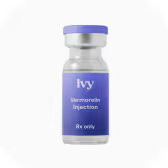
Ivy Rx offers Sermorelin Injections, made in the USA and prescribed after licensed clinician review. A clinician can help you decide whether sermorelin fits your goals and health history.
For deeper comparisons, check out sermorelin vs ipamorelin, tesamorelin vs sermorelin, best place to buy sermorelin, and whether sermorelin works.
Start Your Peptide Journey with Ivy Rx
If CJC-1295 feels difficult to verify or access safely, sermorelin injections offer a legitimate prescription-based alternative.
At Ivy Rx, sermorelin injections start from $179 (as of October 2026) with a Rate Lock Guarantee that keeps your monthly price clear for the plan, with no insurance needed, licensed clinician review, pharmacy dispensing, and free temperature-controlled shipping if prescribed.
Explore whether Sermorelin Injections are medically appropriate for your goals and begin your telemedicine consultation today.
FAQs
What are CJC injections used for?
CJC injections are commonly used for anti-aging, recovery, sleep, fat-loss, and muscle-support goals, but strong human outcome evidence in healthy adults is limited.
How often do you inject CJC-1295?
It varies. Online protocols differ by CJC form, but there is no FDA-established CJC-1295 dosing for wellness or anti-aging uses.
Is CJC-1295 the same as HGH?
No. CJC-1295 stimulates your pituitary to release growth hormone. HGH directly replaces growth hormone with somatropin.
Is sermorelin a safer alternative to CJC-1295?
Possibly. Sermorelin can be prescribed and dispensed by a licensed pharmacy, while FDA has flagged safety concerns with CJC-1295. No study has compared their safety directly, so a clinician should review your health history.
Can you buy CJC-1295 online?
You may see it online, but research-grade products are not a substitute for prescription-based care. Talk to a licensed clinician first.
Are CJC injections legal?
Not as FDA-approved drugs. FDA currently lists CJC-1295 among withdrawn-nomination bulk substances with safety concerns, so legal access through standard pharmacy pathways is unclear.
Disclaimer: Research findings, legal status, FDA compounding details, safety information, user-reported timelines, product availability, pricing, shipping terms, and peptide-program details in this article were curated in August 2026 and may change. CJC-1295 user reports and hormonal-marker findings do not guarantee individual results. Always confirm current regulatory status, eligibility requirements, pharmacy sourcing, medication availability, pricing, dosing instructions, monitoring needs, and program terms with a licensed clinician before starting any peptide.


Ivy RX patients
Members of Ivy RX branded medications were paid for their testimonials.
- https://academic.oup.com/jcem/article-abstract/91/3/799/2843281
- https://pubmed.ncbi.nlm.nih.gov/2108187/
- https://www.fda.gov/media/183891/download
- https://www.fda.gov/drugs/human-drug-compounding/certain-bulk-drug-substances-use-compounding-may-present-significant-safety-risks
- https://www.fda.gov/drugs/human-drug-compounding/bulk-drug-substances-used-compounding-under-section-503a-fdc-act
Related
Resources

Sermorelin vs HGH: Differences, Benefits, Side Effects & Which One Is Best
Learn how Sermorelin and HGH therapies differ. Explore their benefits, dosage, effectiveness, and side effects to make the best choice for your health.

7 Best Anti-Aging Peptides for Youthful, Firm Skin in 2026
Discover the top anti-aging peptides for reducing wrinkles, boosting collagen, and improving skin texture. Science-backed options reviewed here.

How Much Does Sermorelin Cost Per Month? Full Breakdown
Get clarity on Sermorelin monthly costs, including provider fees, prescriptions, and medication, so you know the full price upfront