





.avif)


Article Outline
Explore Weight Loss Treatments


How to Get Weight Loss Injections in 2026 (Full Guide)
Weight loss injections are easier to find, but that does not mean the process is always easy to understand.
If you are trying to figure out how to get weight loss injections, the real answer starts with understanding which type fits your needs and what a licensed provider must check first.
This guide walks through the main injection types, who may qualify, how the provider-led process works, what costs to expect, and what red flags to avoid. The goal is simple: help you make a safer, clearer decision with medical guidance.
Types of Weight Loss Injections Available
Weight loss injections are not all the same. Some focus on appetite and fullness, while others support energy, metabolism, or fat-processing pathways during a weight loss plan.
The right option depends on your health profile, goals, budget, and whether you qualify for prescription GLP-1 treatment. Here are the main types to know.
Type 1: GLP-1 and GIP-Based Injections
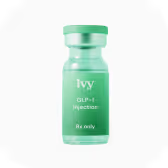
GLP-1 injections are the option most people mean when they talk about weight loss shots. They work by mimicking gut hormones that help regulate appetite, slow digestion, and support blood sugar control. Many people feel full sooner, stay full longer, and experience fewer cravings.
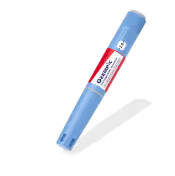
This category includes semaglutide, tirzepatide, and liraglutide. Semaglutide is the active ingredient in Wegovy and Ozempic. Tirzepatide is the active ingredient in Zepbound and Mounjaro. Liraglutide is the active ingredient in Saxenda.
Wegovy, Zepbound, and Saxenda are approved for chronic weight management in eligible patients. Ozempic and Mounjaro are approved for type 2 diabetes, but may sometimes be prescribed off-label for weight loss when a provider determines it is appropriate.
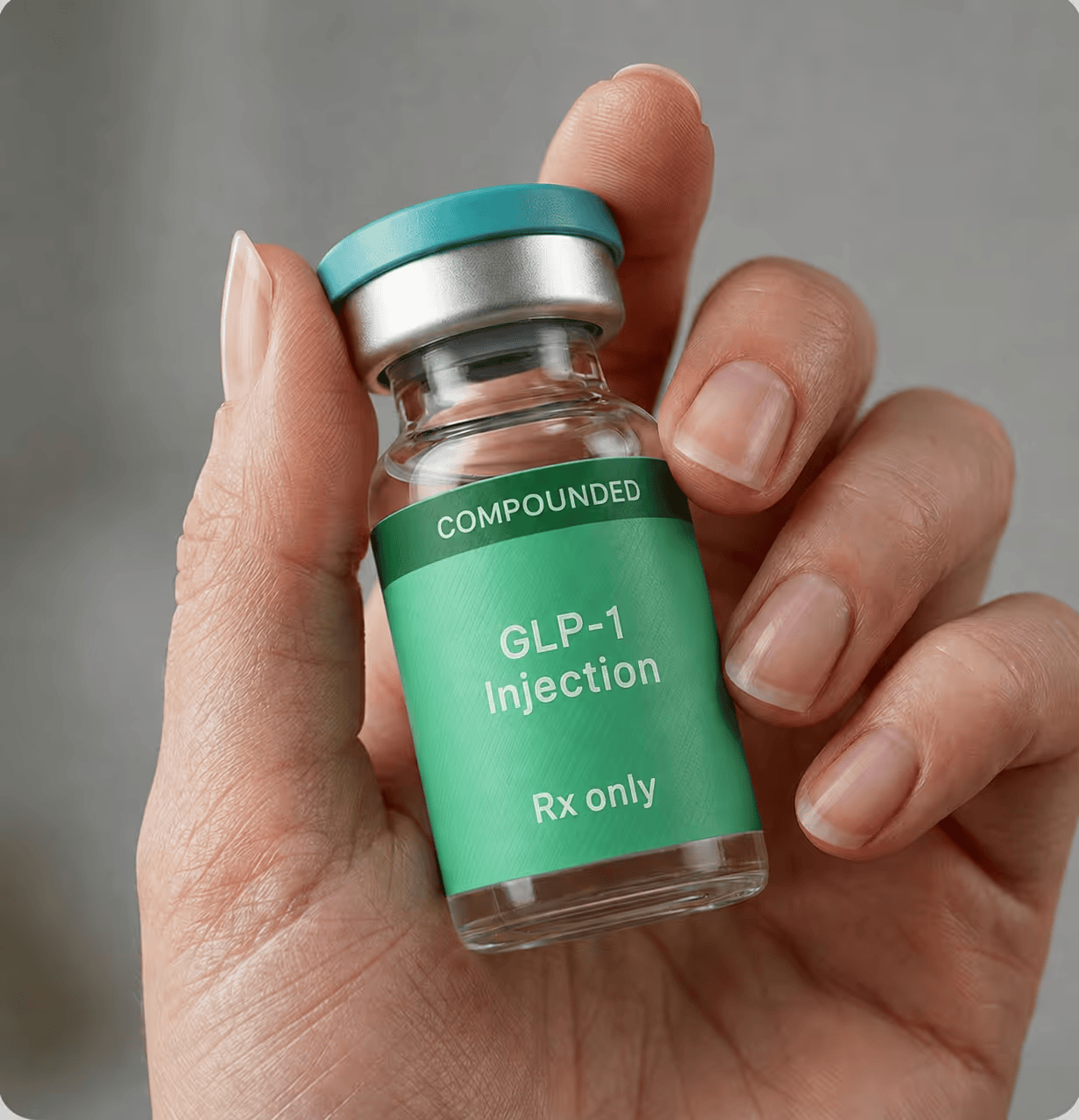
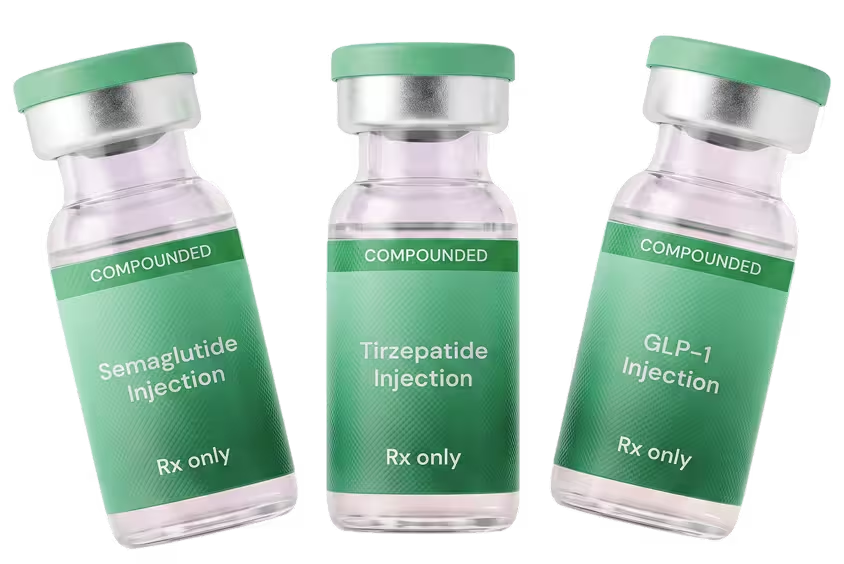
Ivy Rx provides Personalized GLP-1 Injections made in the USA as a more accessible option for people who want medical oversight without insurance delays or changing dose-based prices. If prescribed, GLP-1 injections are usually given as subcutaneous injections, meaning the medication goes into the fat layer under the skin, not muscle.

Type 2: MIC + B12 Lipotropic Injections
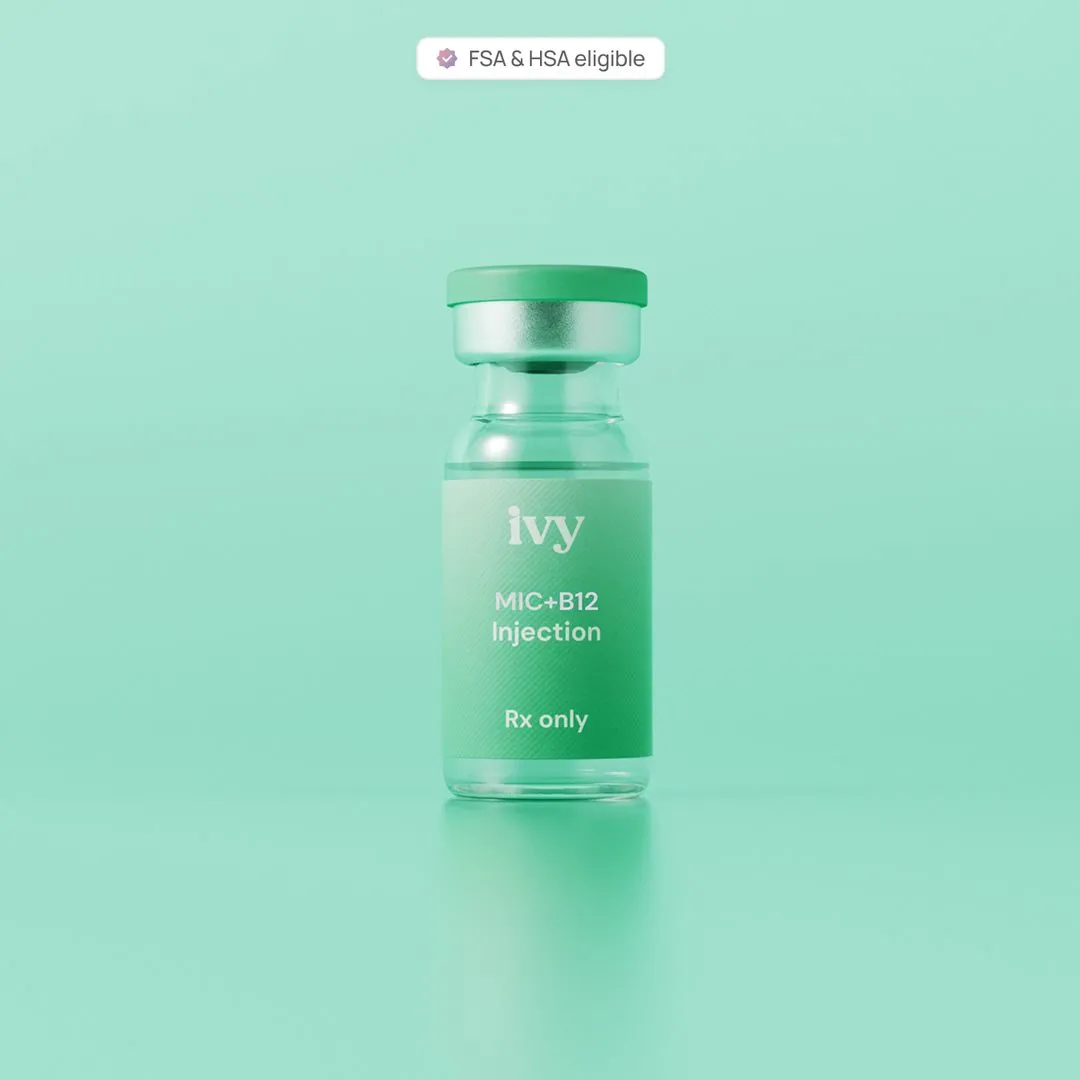
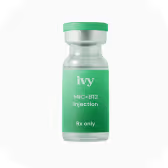
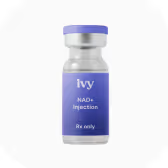
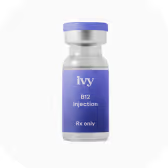
MIC + B12 injections are different from GLP-1s. They do not work by suppressing appetite in the same way. Instead, MIC combines methionine, inositol, and choline with vitamin B12 to support fat metabolism, liver function, and energy levels during weight loss efforts.
This option may appeal to people who are already dieting, exercising, or trying to improve energy while they lose weight. It also has a lower barrier to access than GLP-1s because there is no standard BMI threshold.
MIC + B12 may be a better fit for someone who does not qualify for GLP-1s, does not want appetite-focused medication, or wants support alongside an existing diet and movement plan. Ivy Rx offer MIC + B12 at $179 for a 1000mg vial.
Type 3: Procedure-Based or Less Common Injection Options
Some less common options are sometimes discussed for weight loss, including stomach Botox. This is very different from GLP-1s or MIC + B12 because it is not a weekly at-home injection.
Botox for weight loss is usually delivered into the stomach lining through an endoscopic procedure. The goal is to slow stomach emptying so a person may feel full for longer. However, it is not a standard first-line weight loss injection and is not approved specifically for weight management.
Because the evidence is more limited and the process is more invasive, most people considering weight loss injections usually start by discussing GLP-1, GIP-based, or MIC + B12 options with a licensed provider first.
Who Qualifies for Weight Loss Injections?
Eligibility depends on the injection type. A GLP-1 prescription is assessed differently from MIC + B12, and a provider’s review is always the final step.
GLP-1 Eligibility Criteria
For GLP-1 weight loss medications, providers commonly look for a BMI of 30 or higher, or a BMI of 27 or higher with at least one weight-related condition. Examples include high blood pressure, type 2 diabetes, high cholesterol, sleep apnea, or cardiovascular risk factors.
A provider may also review previous weight loss attempts, current medications, kidney or liver health, gastrointestinal history, and any side effects you are worried about. The point is not just to confirm eligibility. It is to check whether the treatment is appropriate for your body.
MIC + B12 Eligibility
MIC + B12 has a lower barrier to access than GLP-1s because there is no standard BMI cutoff. It may be considered for people who are actively dieting, want metabolism support, or struggle with low energy while changing their eating and movement habits.
Still, it should not be treated as a casual supplement. A provider should review your health history, allergies, current medications, and whether B12 or lipotropic support makes sense for your goals.
Who Should NOT Get Weight Loss Injections
Some people should avoid certain weight loss injections or need a different level of medical supervision. GLP-1 medications are generally not recommended during pregnancy, and they may not be appropriate for people with a personal or family history of medullary thyroid carcinoma, Multiple Endocrine Neoplasia syndrome type 2, or active pancreatitis.
This is not meant to scare you away from treatment. It is safety guidance. The right provider will screen for these issues before recommending any injection.
How to Get Weight Loss Injections: Step-by-Step
The process is usually more straightforward than people expect, especially through telehealth. But it should still be medical, not transactional.
Step 1: Choose a Licensed Provider or Telehealth Platform
Start with a licensed provider, obesity medicine clinic, primary care doctor, or reputable telehealth platform. Ivy Rx’s process is fully online, so no in-person clinic visit is required for most patients. The key is that a real medical review must happen before any prescription decision.
Step 2: Complete a Medical Evaluation
You will usually answer questions about your height, weight, goals, medical history, current medications, and prior weight loss attempts. A provider uses that information to decide which options are appropriate, whether lab work is needed, and whether any safety concerns should be addressed first.
Step 3: Review Your Treatment Options
If treatment is appropriate, your provider may discuss a GLP-1 option, MIC + B12, or another path. For GLP-1s, the dose often starts low and increases gradually to help your body adjust. For MIC + B12, your provider should explain how it fits into your diet, movement, and energy goals.
Step 4: Follow Instructions and Check In
Once a treatment plan begins, follow the instructions from your provider and pharmacy carefully. For injectable medications, confirm the injection route, dose, schedule, storage, and what to do if you miss a dose or experience side effects. Follow-up matters because your plan may need adjustments over time.
How Much Do Weight Loss Injections Cost?
Weight loss injection costs depend on the medication type, brand status, dose, insurance coverage, and whether the provider bundles medical care with the medication.
For a more detailed price comparison:
Upfront cost and ongoing cost are not always the same. Some plans are monthly, while others reduce the monthly rate when paid upfront for several months. Before choosing a plan, check what is included: provider evaluation, medication, shipping, supplies, follow-up, and dose support.
If you are comparing options, Ivy Rx can help you understand which treatment category to discuss with a provider.
Insurance and Savings Options
Insurance coverage is one of the most confusing parts of weight loss injections. Some plans cover brand-name GLP-1s for diabetes or chronic weight management, but many require prior authorization or exclude weight loss medications entirely.
Most plans do not cover personalized GLP-1 options or MIC + B12, which is why many patients compare direct-pay models. Ivy Rx emphasizes upfront pricing, no surprise dose-based price increases for Personalized GLP-1 Injections, and plan options that may lower the monthly equivalent when paid upfront, with GLP-1 pricing available as low as $97/month on the 12-month plan.

FSA or HSA eligibility depends on your plan rules and whether the expense qualifies as medical care. If you plan to use those funds, check with your benefits administrator before purchase. The main thing to look for is transparency: total cost, what is included, and whether the price changes when your dose changes.
What to Avoid When Getting Weight Loss Injections
The market has grown fast, and so have unsafe offers. Lower cost is understandable, but it should never mean skipping medical review or pharmacy standards.
1. No Prescription or Medical Evaluation
Avoid any seller that offers GLP-1 injections without a prescription or health assessment. Weight loss injections can affect digestion, blood sugar, hydration, and other medications, so a provider needs to confirm whether the treatment is appropriate.
2. Research Peptides or Social Media Sellers
Do not use products labeled “research use only” or sold through social media sellers. These products are not the same as provider-prescribed medication and may have unclear ingredients, dosing, storage, or sterility standards.
3. Unclear Pharmacy, Shipping, or Dosing Instructions
A reputable provider should be able to explain where medication is prepared, how it is shipped, how to store it, and exactly how the dose should be used. Confusing dosing instructions are especially risky for vial-based medications.
Start Your Weight Loss Injection Journey with Ivy Rx
Getting weight loss injections in 2026 should not feel like guesswork. The best path is clear, provider-led, and honest about cost, eligibility, and follow-up support.
Ivy Rx helps simplify that process with online medical evaluation, transparent pricing, Personalized GLP-1 Injections available as low as $97/month, Microdose GLP-1 options, and MIC + B12 support for people looking for a lower-barrier wellness injection.
Start your weight loss journey with affordable GLP-1 treatment from Ivy Rx. Get the same active ingredients as brands at a fraction of the cost.
FAQs
1. Do I Need a Prescription to Get Weight Loss Injections?
Yes, GLP-1 weight loss injections require a prescription. A licensed provider must review your health history, BMI, medications, and weight-related conditions before deciding if treatment is appropriate. MIC + B12 injections may have a lower barrier to access, but provider guidance is still recommended.
2. Can I Get Weight Loss Injections Online?
Yes, some weight loss injections can be prescribed online through a licensed telehealth provider. With Ivy Rx, the process starts with an online evaluation. If approved, your provider recommends a treatment plan and your medication is delivered to your door.
3. What Is the Most Affordable Weight Loss Injection?
The most affordable option depends on the type of injection you qualify for. MIC + B12 may cost less for people who want metabolism and energy support. For GLP-1 treatment, Ivy Rx offers Personalized GLP-1 Injections with transparent monthly pricing and no dose-based price changes.
4. How Long Does It Take to Get Weight Loss Injections?
The timeline depends on the provider, medical review, and medication type. With an online platform like Ivy Rx, you can usually complete your evaluation from home. If approved, your treatment plan is reviewed by a licensed provider before medication is prepared and shipped.
5. Are Lipotropic/MIC + B12 Injections the Same as GLP-1 Shots?
No. MIC + B12 injections are not the same as GLP-1 shots. GLP-1 injections help regulate appetite, fullness, digestion, and blood sugar response. MIC + B12 injections support fat metabolism, liver function, and energy levels, often alongside diet and exercise.


Ivy RX patients
Members of Ivy RX branded medications were paid for their testimonials.
- National Institute of Diabetes and Digestive and Kidney Diseases. Prescription Medications to Treat Overweight & Obesity. https://www.niddk.nih.gov/health-information/weight-management/prescription-medications-treat-overweight-obesity
- U.S. Food and Drug Administration. FDA’s Concerns with Unapproved GLP-1 Drugs Used for Weight Loss. https://www.fda.gov/drugs/drug-alerts-and-statements/fdas-concerns-unapproved-glp-1-drugs-used-weight-loss
- Wilding JPH, Batterham RL, Calanna S, et al. Once-Weekly Semaglutide in Adults with Overweight or Obesity. N Engl J Med. https://pubmed.ncbi.nlm.nih.gov/33567185/
- Jastreboff AM, Aronne LJ, Ahmad NN, et al. Tirzepatide Once Weekly for the Treatment of Obesity. N Engl J Med. https://pubmed.ncbi.nlm.nih.gov/35658024/
- Internal Revenue Service. Publication 502, Medical and Dental Expenses. https://www.irs.gov/publications/p502
- https://www.hopkinsmedicine.org/health/treatment-tests-and-therapies/botulinum-toxin-stomach-injections-for-weight-loss
- https://www.nejm.org/doi/full/10.1056/NEJMoa2032183
Related
Resources
.jpg)
What Is Sermorelin Used For Benefits, Uses & Results (2026)
Sermorelin is a GHRH analogue used to stimulate natural growth hormone production. It treats GH deficiency and is used off-label for fat loss and muscle gain.
.jpg)
Semaglutide Heart Palpitations Causes & What to Do (2026)
Semaglutide can raise resting heart rate by 1 to 4 BPM. Here is why palpitations happen, what usually triggers them, and when to call your provider.

Semaglutide Plateau Why Weight Loss Stalls & How to Fix It
A semaglutide plateau is normal and does not mean the medication stopped working. Here is why weight loss stalls and exactly what to do to break through it.