





.avif)


Article Outline
Start your personalized GLP-1 program


How to Get Zepbound in 2026: Prescription Guide
Getting Zepbound can feel like the hardest part of losing weight. Between insurance denials, confusing pricing, and not knowing whether to call a doctor or sign up online, plenty of people give up before they start.
Here's the short answer: to get Zepbound, you need a prescription from a licensed provider, and the quickest way to get one is through telehealth.
This guide walks you through who qualifies, the exact steps, what it costs, and how to get it without overpaying or waiting weeks.
Step-by-Step Process to Get Zepbound
Getting Zepbound starts with a prescription from a licensed healthcare provider. You can't buy it over the counter, but you can get that prescription either in person or online through telehealth. Most adults qualify with a BMI of 30 or higher, or 27 or higher with a weight-related condition.
If that sounds like you, the rest is straightforward. The six steps below take you from checking your eligibility to filling your prescription and finding the lowest price.
Step 1: Check if you qualify
Start with your BMI, since it's the first thing any provider will look at. You generally meet the FDA's eligibility criteria with a BMI of 30 or higher, or 27 or higher if you also have a weight-related condition like high blood pressure, high cholesterol, type 2 diabetes, or sleep apnea.
You can calculate your BMI in seconds using your height and weight. Keep in mind this is a screening number, not a final verdict, so being close to the threshold is still worth a conversation with a provider.
Step 2: Talk to a healthcare provider
You have two ways to do this: an in-person visit with your doctor or an online telehealth appointment. Both can result in a Zepbound prescription if you qualify, so the choice comes down to speed and preference.
An in-person provider already knows your history, which helps. Telehealth is usually faster and easier to schedule, often same-day, and it skips the waiting room entirely. Either way, be ready to discuss your weight history, current medications, and any past attempts at losing weight.
Step 3: Get a prescription
During the visit, the provider reviews your health history, screens for the conditions that would rule Zepbound out, and decides whether it's a good fit for you. This is also when they'll explain the dosing schedule and what to expect.
A prescription isn't automatic. If Zepbound isn't right for you, the provider may suggest an alternative, such as a semaglutide medication or, depending on your budget and coverage, compounded tirzepatide. If you're approved, the prescription goes to the pharmacy or delivery service you choose.
Step 4: Check your insurance
Before you fill anything, find out what your plan will pay. Call the number on your insurance card and ask if Zepbound is covered and if it requires prior authorization.
Coverage for weight loss drugs varies widely. Some plans cover Zepbound fully, some only with prior approval, and many exclude it entirely. Knowing where you stand here decides which of the next steps makes the most sense for your wallet, so it's worth the ten-minute phone call.
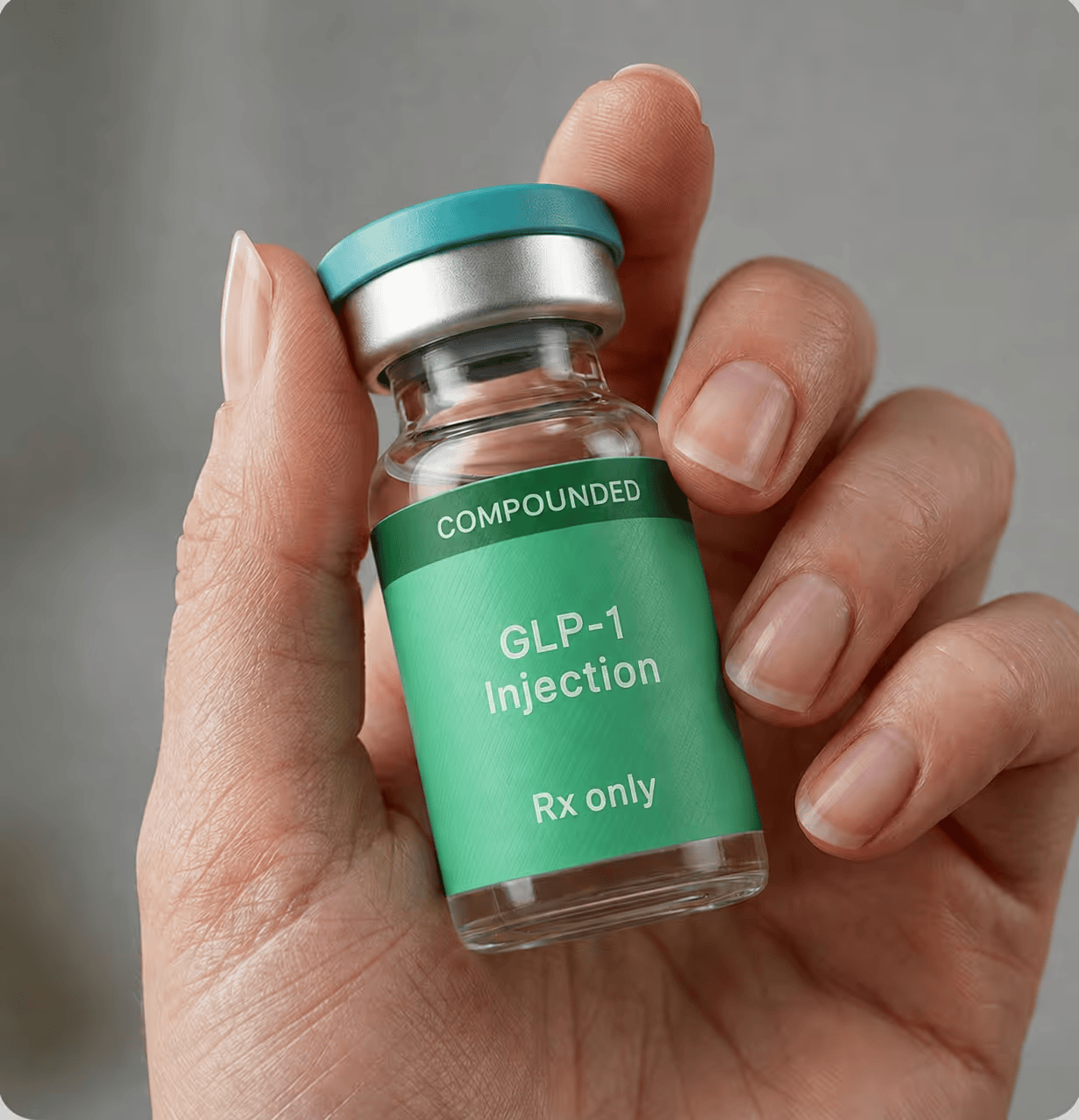
Ivy Rx offers personalized GLP-1 injections for as low as $97/month with a medical evaluation, ongoing provider support, and medications delivered to your door. No insurance required.
Step 5: Fill your prescription
Once you have the prescription and know your coverage, you can fill it. A local pharmacy works if your insurance covers Zepbound. If you're paying cash or want it delivered, Lilly's own LillyDirect ships single-dose vials straight to your door, and many telehealth platforms include delivery in their pricing.
Choose the option that balances cost and convenience for your situation. If you went the telehealth route, this step is often handled for you automatically.
Step 6: Look for ways to save
Don't pay full price before checking your options. If you have commercial insurance that covers Zepbound, the Zepbound Savings Card can bring your cost down to as little as $25 a fill. If you're paying cash, the LillyDirect self-pay vials are the most affordable brand-name route.
If the brand is still out of reach, a telehealth provider offering compounded tirzepatide is usually the lowest-cost path overall.
With Ivy Rx, you can get cheaper but just as effective GLP-1 injections for as low as $97/month when you use the 12-month plan, billed upfront.
How Does Zepbound Actually Work?
Zepbound is the brand name for tirzepatide, a once-weekly injection. What makes it different from older weight loss drugs is that it works on two hormone systems at once, not one. It's the first and only FDA-approved obesity treatment that activates both the GIP and GLP-1 receptors.
Those two hormones are released by your gut after you eat. They tell your brain you're full, slow down how fast your stomach empties, and help regulate blood sugar. By mimicking both, Zepbound reduces appetite and calorie intake, so you eat less without fighting constant hunger.
Drugs like Ozempic and Wegovy work on the GLP-1 receptor alone, which is the main reason Zepbound's effect on appetite tends to be stronger. If you're weighing your choices, it helps to understand how these weight loss injections compare and where semaglutide is different from Mounjaro.
How Zepbound Compares to Other Weight Loss Medications
Zepbound isn't the only prescription weight loss medication, and it isn't automatically the right one for everyone. The best fit depends on your health history, how your body tolerates a given drug, your budget, and what your provider recommends.
To help you walk into that conversation informed, Zepbound goes head-to-head against six other medications people commonly ask about, including Wegovy, Ozempic, Mounjaro, Saxenda, Qsymia, and Contrave.
Zepbound vs. Wegovy
Wegovy is Zepbound's closest competitor, and the comparison comes down to the active ingredient. Wegovy uses semaglutide, which acts on one receptor (GLP-1). Zepbound uses tirzepatide, which acts on two hormones, GIP and GLP-1.
Both are once-weekly injections approved for chronic weight management. That dual action is the main reason tirzepatide tends to produce greater appetite reduction. However, Wegovy is approved to reduce cardiovascular risk in certain patients, which matters if you have heart concerns.
Zepbound vs. Ozempic
This is a common mix-up, since Ozempic gets talked about constantly for weight loss. The difference is that Ozempic is approved to treat type 2 diabetes, not obesity. It contains semaglutide, the same ingredient as Wegovy, and it's used for weight loss only off-label.
Zepbound is approved specifically for chronic weight management. If weight loss is your goal, Ozempic would be an off-label choice.
Zepbound vs. Mounjaro
Interestingly, Zepbound and Mounjaro are the same drug. Both contain tirzepatide and are made by Eli Lilly. The only difference is that Mounjaro is approved for type 2 diabetes, while Zepbound is for chronic weight management and, more recently, sleep apnea.
Because they share the active ingredient, they work identically. Which one you're prescribed depends on your diagnosis, which affects coverage. If dose timing matters to you, this guide to the best time of day to take Mounjaro applies equally to Zepbound.
Zepbound vs. Saxenda
Saxenda was one of the original GLP-1 weight loss drugs. It contains liraglutide and works on the GLP-1 receptor alone. The biggest difference is frequency: Saxenda is a daily injection, while Zepbound is once weekly.
For many people, four shots a month is easier to stick with than thirty. Eligibility is similar, since both are approved at the same BMI thresholds. Zepbound's dual-receptor action and weekly schedule tend to appeal to people who want stronger appetite control with less frequent dosing.
Zepbound vs. Qsymia
Qsymia is a different kind of drug. Instead of mimicking gut hormones, it combines phentermine, an appetite suppressant, with topiramate, taken as a daily oral capsule rather than an injection.
That makes it needle-free, which some people prefer, and it's been approved since 2012, so it has a long track record. The degree of weight loss is lower, since GLP-1 and dual-agonist drugs like Zepbound generally produce larger average results. Qsymia may suit someone who wants to avoid injections, can't use a GLP-1, or is managing cost.
Zepbound vs. Contrave
Contrave is another non-GLP-1 oral option. It combines naltrexone and bupropion, which act on the brain's appetite and reward pathways rather than gut hormones. Like Qsymia, it's a daily pill approved for chronic weight management.
Contrave can fit people whose eating is tied to cravings or habits, since its mechanism targets that side of appetite. Compared to Zepbound, expected weight loss is generally more modest, and it carries its own considerations, including effects on mood and blood pressure.
Eligibility & Qualification Factors
Whether you qualify comes down to your BMI and your health history. The FDA approved Zepbound for adults who meet one of these:
- A BMI of 30 or higher (obesity).
- A BMI of 27 or higher (overweight) plus at least one weight-related condition, such as high blood pressure, high cholesterol, type 2 diabetes, sleep apnea, or heart disease.
You should not take Zepbound if you have a personal or family history of medullary thyroid carcinoma or a condition called MEN 2. Your provider will also review whether you've had pancreatitis or other conditions before prescribing.
Access Options & Pathways
There are three realistic ways to get Zepbound, and they differ mostly in speed and cost.
- Telehealth. An online visit with a licensed provider, a prescription if you qualify, and home delivery. Usually the fastest.
- In-person doctor. Your primary care provider or an obesity specialist can prescribe it and send the script to your pharmacy.
- Manufacturer direct. LillyDirect connects you with independent telehealth providers and ships single-dose vials to your door.
If brand-name Zepbound is out of reach on price or coverage, a telehealth platform like Ivy Rx can evaluate you for personalized GLP-1 injections using tirzepatide or semaglutide. And if you prefer the brand, it routes you to Mounjaro or Ozempic.
Cost & Insurance Considerations
What you pay depends almost entirely on your insurance. Here's the honest range.
- Cash pay through LillyDirect. Single-dose vials are $299 for 2.5 mg, $399 for 5 mg, and $449 for 7.5 mg and higher, as long as you refill within 45 days on the higher doses. Miss that window and the price rises.
- Commercial insurance that covers Zepbound. The savings card can drop your cost to as little as $25 a fill, up to program limits.
- Commercial insurance that excludes it. You can still use a non-covered version of the card or pay the LillyDirect self-pay price.
Compounded tirzepatide through telehealth is often the lower-cost path when the brand isn't covered. For a realistic sense of those numbers, this guide to how much tirzepatide costs lays out the ranges.
Safety Considerations & Risks
Zepbound is FDA-approved and well-studied, but it's a serious medication, which is exactly why it needs a provider. It carries a boxed warning, the FDA's strongest, because tirzepatide caused thyroid C-cell tumors in rats. Whether that risk applies to humans isn't established, but it's the reason the thyroid-history exclusion exists.
More common side effects are gastrointestinal: nausea, diarrhea, vomiting, and constipation, usually heaviest when you start or increase your dose.
The label also notes possible pancreatitis, gallbladder problems, and low blood sugar, especially if you take it with insulin. A provider's involvement isn't a formality here. It's how your dose gets set safely and how problems get caught early.
Timeline, Speed & What to Expect
If you go the telehealth route, the prescription itself can happen the same day you complete your evaluation. Delivery is where the time goes, since LillyDirect ships vials to your door, while most telehealth pharmacies take a few days.
Once you start, expect a gradual ramp-up. Zepbound begins at 2.5 mg and increases over several weeks toward a maintenance dose, up to a maximum of 15 mg once weekly. That slow titration is deliberate, as it gives your body time to adjust and keeps side effects manageable.
Common Mistakes or Misconceptions
A few wrong assumptions trip people up:
- "I can get it over the counter." No. Zepbound is prescription-only, and so is compounded tirzepatide.
- "Zepbound and Mounjaro are different drugs." They're the same active ingredient, tirzepatide, under different brand names for different uses. Zepbound is labeled for weight management and sleep apnea; Mounjaro is for type 2 diabetes.
- "Compounded means counterfeit." Compounded tirzepatide is legal and made by licensed pharmacies. It simply isn't FDA-approved as a finished product, which is a real distinction, not a sign of a scam.
- "Cheaper online versions are the same as Zepbound." Only the active ingredient is the same. The finished compounded product hasn't gone through the FDA review the brand has.
Decision Guidance
Not sure which path fits? Run through these:
- Does your insurance cover Zepbound? If yes, the savings card and a regular pharmacy are likely your cheapest route.
- Paying cash and want the brand? LillyDirect self-pay vials are the lowest brand-name price.
- Paying cash and want the lowest cost overall? A telehealth platform offering compounded tirzepatide usually beats brand-name pricing.
- Need it fast, with no provider lined up? Telehealth handles the evaluation, prescription, and delivery in one flow.
Start Your Zepbound Journey With Ivy Rx Today
Getting started takes three steps: a provider evaluation, a prescription if you qualify, and delivery to your door. Ivy Rx handles all three online. You complete a short assessment, a licensed U.S. provider reviews it, and if you're approved, your medication ships to you, typically within a couple of days.
- Fast: The online assessment takes about five minutes, with delivery in as little as two days.
- Predictable pricing: The price stays the same at every dose, so titrating up doesn't raise your bill.
- Real support: Licensed providers and ongoing care, no insurance required, with HSA/FSA accepted.
- Made in USA: Personalized GLP-1 injections are prepared in a state-licensed pharmacy and independently verified in FDA-registered labs.
Whether you want personalized GLP-1 injections with tirzepatide or semaglutide, or prefer brand-name Mounjaro or Ozempic, you can see whether you qualify in a few minutes.
FAQs
Can I get a Zepbound prescription online without seeing a doctor in person?
Yes. Licensed telehealth providers can evaluate you and prescribe Zepbound or compounded tirzepatide entirely online if you qualify. No in-person visit is required in most cases.
Who is a good candidate for Zepbound?
Adults with a BMI of 30 or higher, or 27 or higher with a weight-related condition like high blood pressure or type 2 diabetes. A provider confirms eligibility based on your full health history.
Is it safe to buy prescription weight loss drugs online?
Yes, when you use a licensed provider and a state-licensed pharmacy. Avoid any site that sells GLP-1s without a prescription, since that's a red flag for counterfeit products.
How long does it take to start Zepbound?
Often within days. A telehealth evaluation can produce a prescription the same day, and delivery usually takes a few business days after that.
Why is my dose so low at first?
Zepbound starts at 2.5 mg and increases gradually over several weeks. This slow ramp-up helps your body adjust and reduces side effects before you reach your maintenance dose.

%25201.avif)

Ivy RX patients
Members of Ivy RX branded medications were paid for their testimonials.
Related
Resources

Lipotropic Injections vs Semaglutide: Key Differences
Lipotropic injections support fat metabolism and energy via MIC and B12. Semaglutide suppresses appetite through GLP-1 signaling. Many patients use both together.

Saxenda vs Mounjaro Costs & Which Is Better for Weight Loss
Saxenda uses liraglutide injected daily; Mounjaro uses tirzepatide injected weekly and produces nearly twice the weight loss in clinical trials.

Best Places to Inject Mounjaro for Weight Loss Safe Sites
The best places to inject Mounjaro for weight loss. Learn where to inject safely for optimal results and tips to make your treatment more effective.