






.avif)



Article Outline
Explore Weight Loss Treatments


Jardiance vs Mounjaro Differences, Cost & How to Choose
Comparing Jardiance vs Mounjaro can be confusing because both can help people with type 2 diabetes, but they solve different problems.
Jardiance is more about glucose removal, heart failure, kidney disease, and cardiovascular-risk support. Mounjaro is more relevant when weight loss and appetite control are major goals.
This guide compares results, side effects, cost, dosing, and who each option may suit.
Jardiance vs Mounjaro: A Quick Overview
What Is Jardiance?
Jardiance is the brand name for empagliflozin. It belongs to a class of medications called SGLT2 inhibitors.
At a glance:
- Form: Oral tablet
- Schedule: Usually once daily
- Main role: Type 2 diabetes, heart failure, chronic kidney disease, and cardiovascular-risk support in specific patients
- Weight-loss role: Usually modest
- Prescription required: Yes
Jardiance works by helping the kidneys remove extra glucose through urine. This can lower blood sugar and may also support heart and kidney outcomes in patients who meet specific criteria.
What Is Mounjaro?
Mounjaro is the brand name for tirzepatide. It is a once-weekly injectable medication used with diet and exercise to improve blood sugar in people with type 2 diabetes.
At a glance:
- Form: Subcutaneous injection
- Schedule: Once weekly
- Main role: Type 2 diabetes treatment
- Weight-loss role: Often significant, although Mounjaro itself is not the U.S. brand approved specifically for weight management
- Prescription required: Yes
Tirzepatide is also the active ingredient in Zepbound, the brand approved for chronic weight management in qualifying patients. If your main goal is weight loss, a provider can help decide which tirzepatide or GLP-1 option is appropriate.
Weight Loss Results Compared
For weight loss, Mounjaro usually has the advantage.
Jardiance: Modest Weight Change
Jardiance may lead to some weight loss because glucose leaves the body through urine. But weight loss is not its main treatment goal.
This can make Jardiance a better fit for someone whose priority is type 2 diabetes plus heart or kidney considerations, rather than someone mainly looking for a weight-loss medication.
Mounjaro: Stronger Weight-Loss Effect
Mounjaro tends to produce greater weight loss because it affects appetite, fullness, and digestion through GIP and GLP-1 pathways.
In type 2 diabetes studies, tirzepatide has been linked with meaningful body-weight reductions. Weight change still varies by dose, duration, diet, activity, side effects, and individual response.
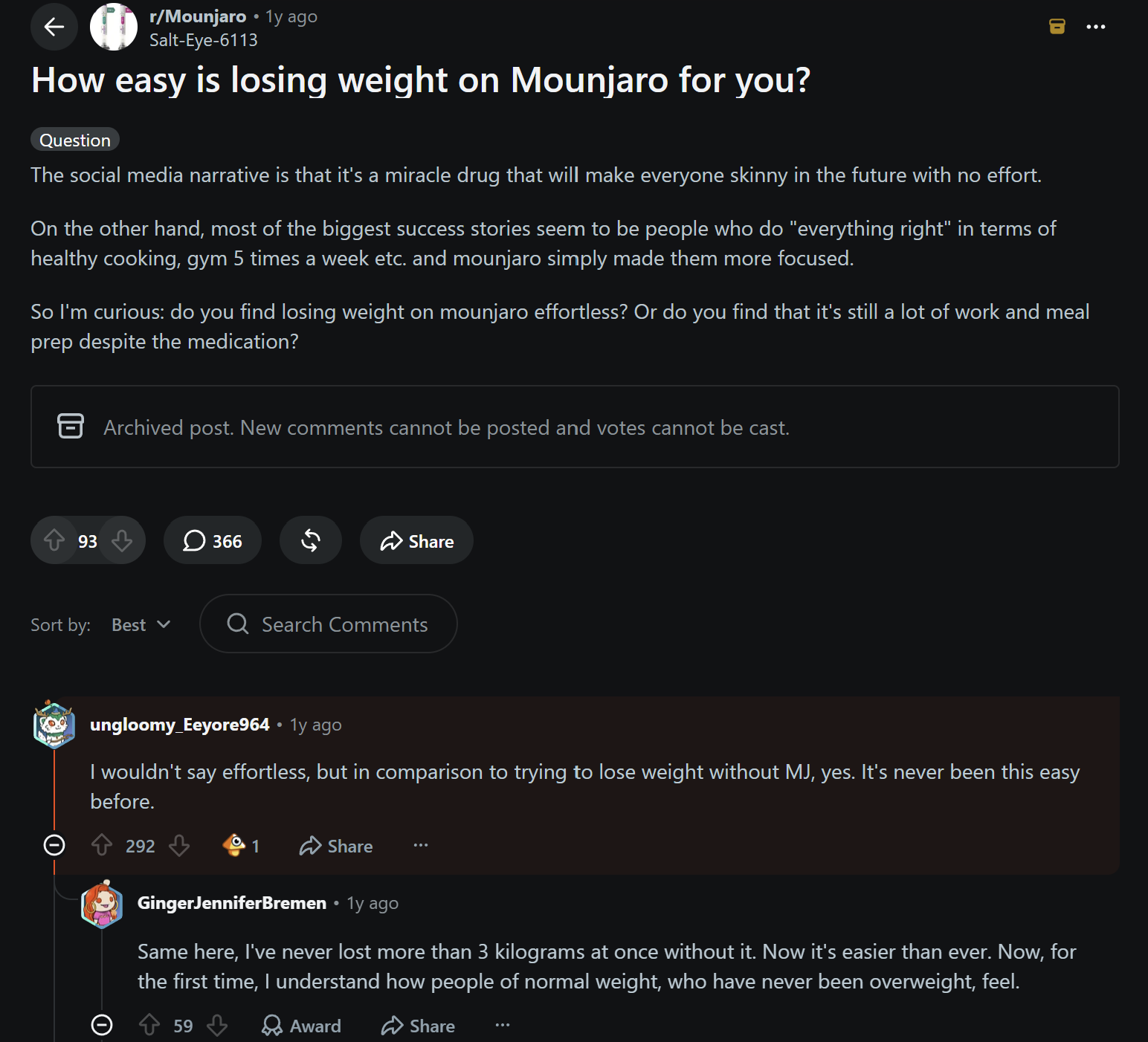
If weight loss is the main goal, it may also be useful to compare semaglutide vs tirzepatide, review how much weight patients may lose on semaglutide in 3 months, or compare weight-loss injection costs.
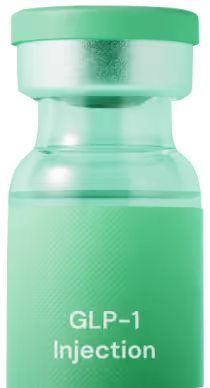
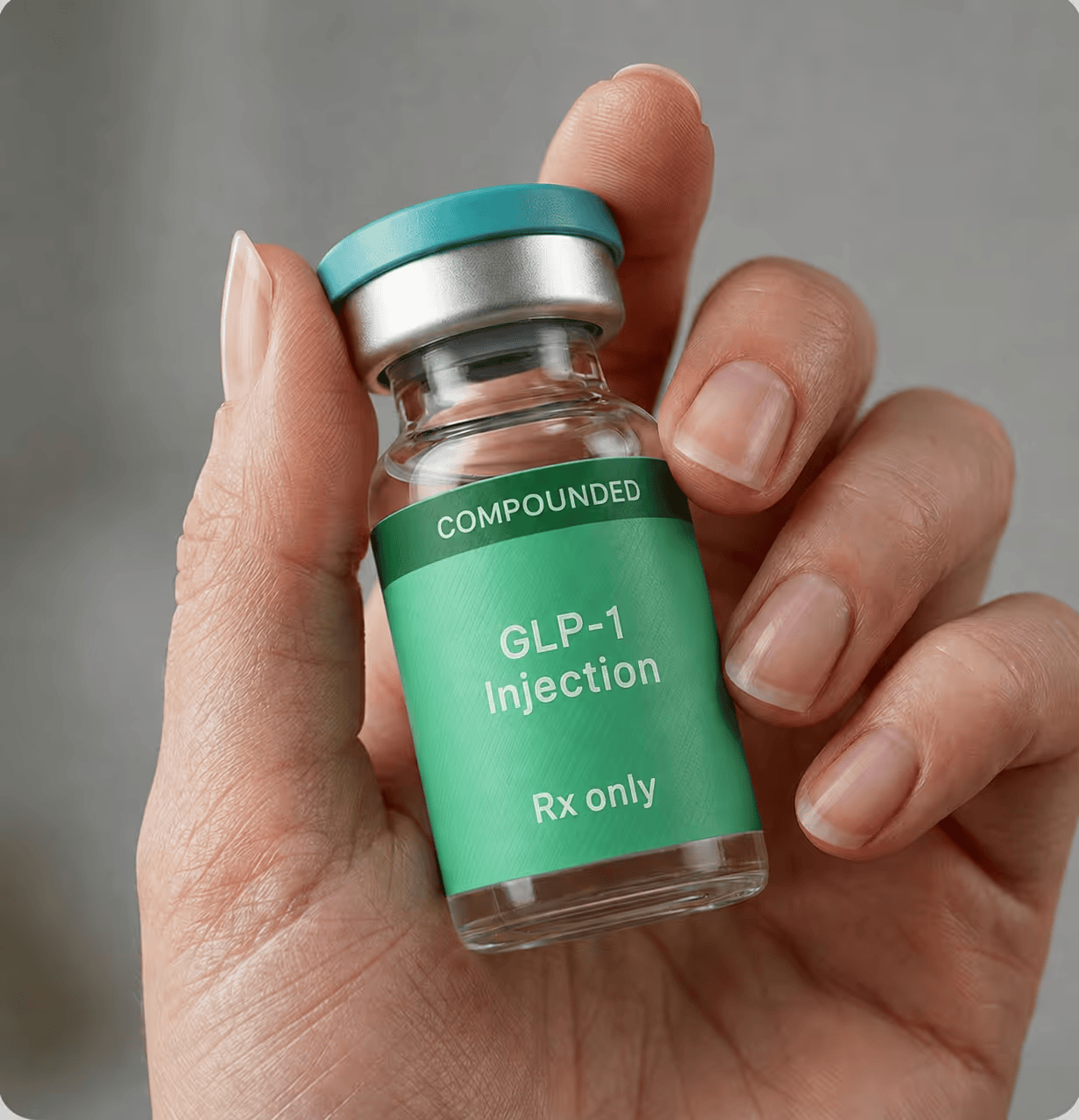
For eligible patients, Ivy Rx’s Personalized GLP-1 Injections offer provider-guided access to GLP-1 treatment for weight loss without insurance.
Blood Sugar Control Compared
Both Jardiance and Mounjaro can help lower blood sugar in type 2 diabetes, but they do it differently.
Jardiance: Glucose Removal Through the Kidneys
Jardiance helps lower blood sugar by causing the body to remove extra glucose through urine.
This mechanism can be especially useful in patients whose provider is also considering heart failure, chronic kidney disease, or cardiovascular-risk needs. It may also be used alongside other diabetes medications when appropriate.
Mounjaro: Stronger A1C Reduction in Many Patients
Mounjaro improves blood sugar through hormone pathways that affect insulin release, glucagon, appetite, and digestion.
In clinical studies, Mounjaro produced large A1C reductions in adults with type 2 diabetes. It may be especially relevant when blood sugar and weight loss are both major concerns.
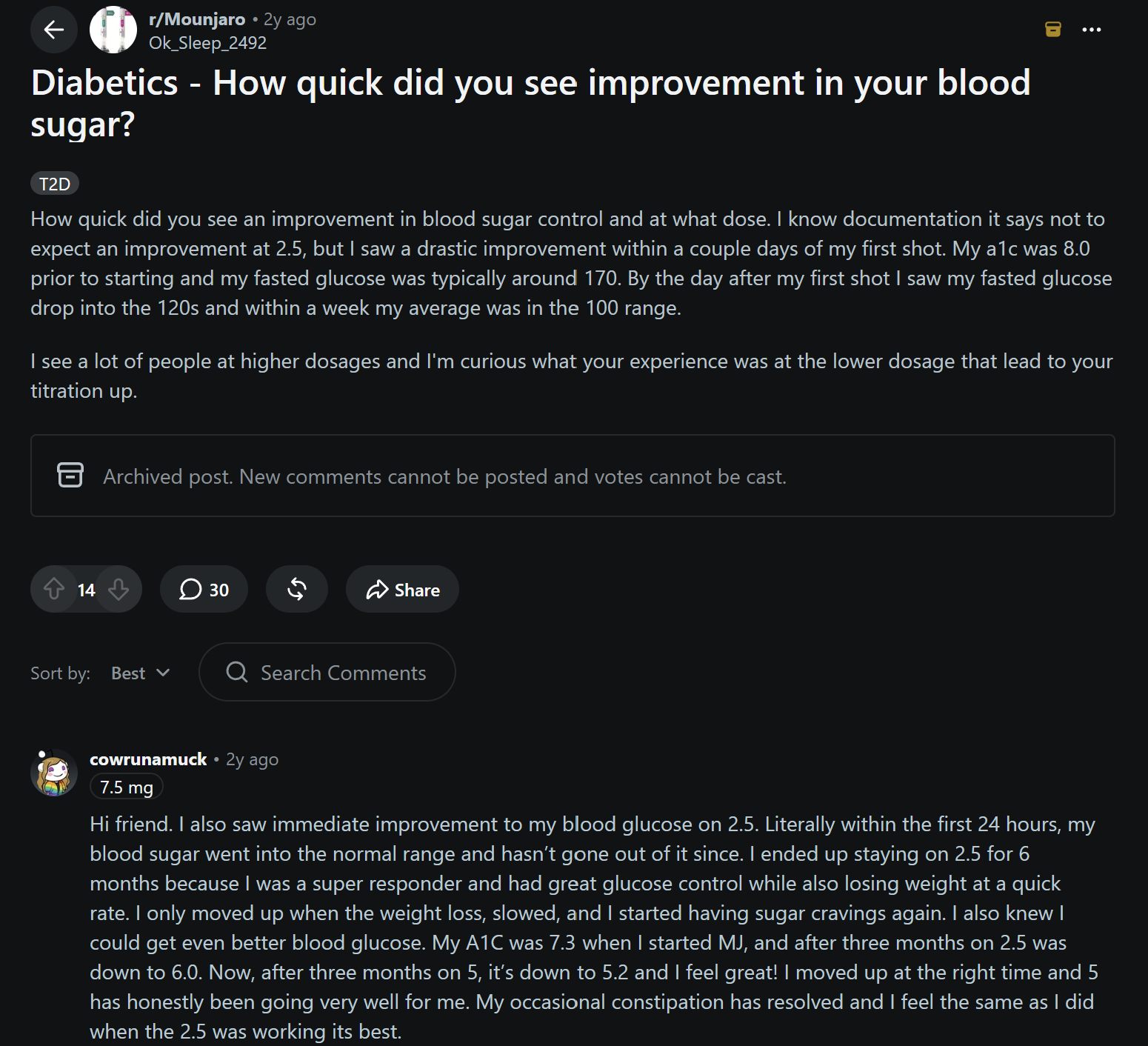
If your current plan is not working as expected, read more about why semaglutide may not be working or how GLP-1 medications may fit with other diabetes drugs like metformin and Ozempic together.
Side Effects Comparison
The side effects are different because the drugs work in different parts of the body.
Jardiance side effects often relate to urinary glucose loss. Mounjaro side effects often relate to digestion and dose changes.
Jardiance
Common Jardiance side effects can include urinary tract infections and genital yeast infections. Because the drug increases glucose in the urine, those effects make sense biologically.
Important risks may include dehydration, low blood pressure, ketoacidosis, kidney problems, and serious genital infections in rare cases. Some patients may need extra caution if they have frequent infections, low fluid intake, kidney disease, or are taking diuretics.
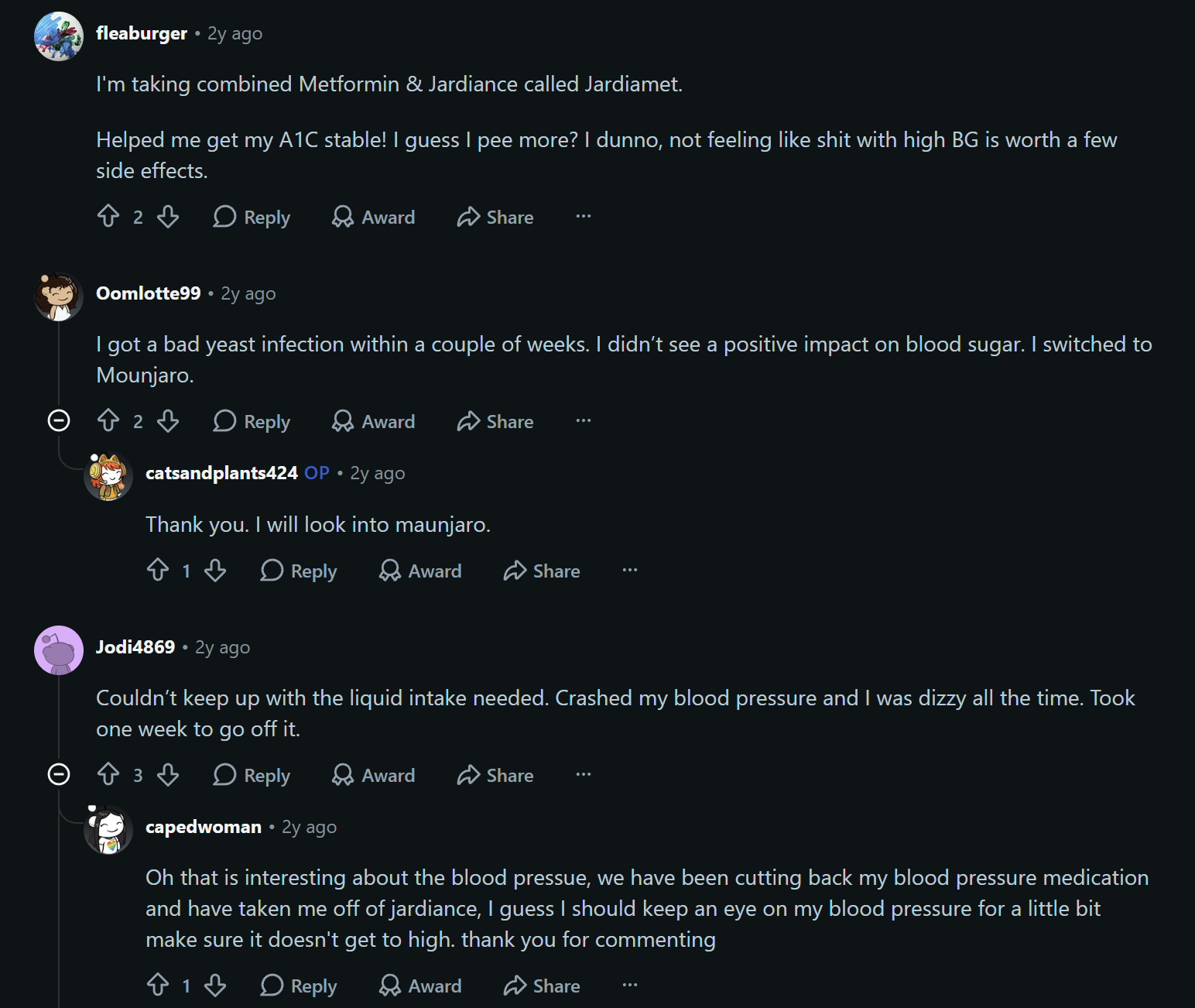
Jardiance may still be the better fit for some people because of its heart and kidney-related use cases. The decision depends on the full medical picture.
Mounjaro
Common Mounjaro side effects are usually gastrointestinal. They can include nausea, diarrhea, vomiting, constipation, indigestion, stomach pain, and reduced appetite.
These effects are often more noticeable when starting or increasing dose. A slower dose plan may help some patients tolerate treatment better.
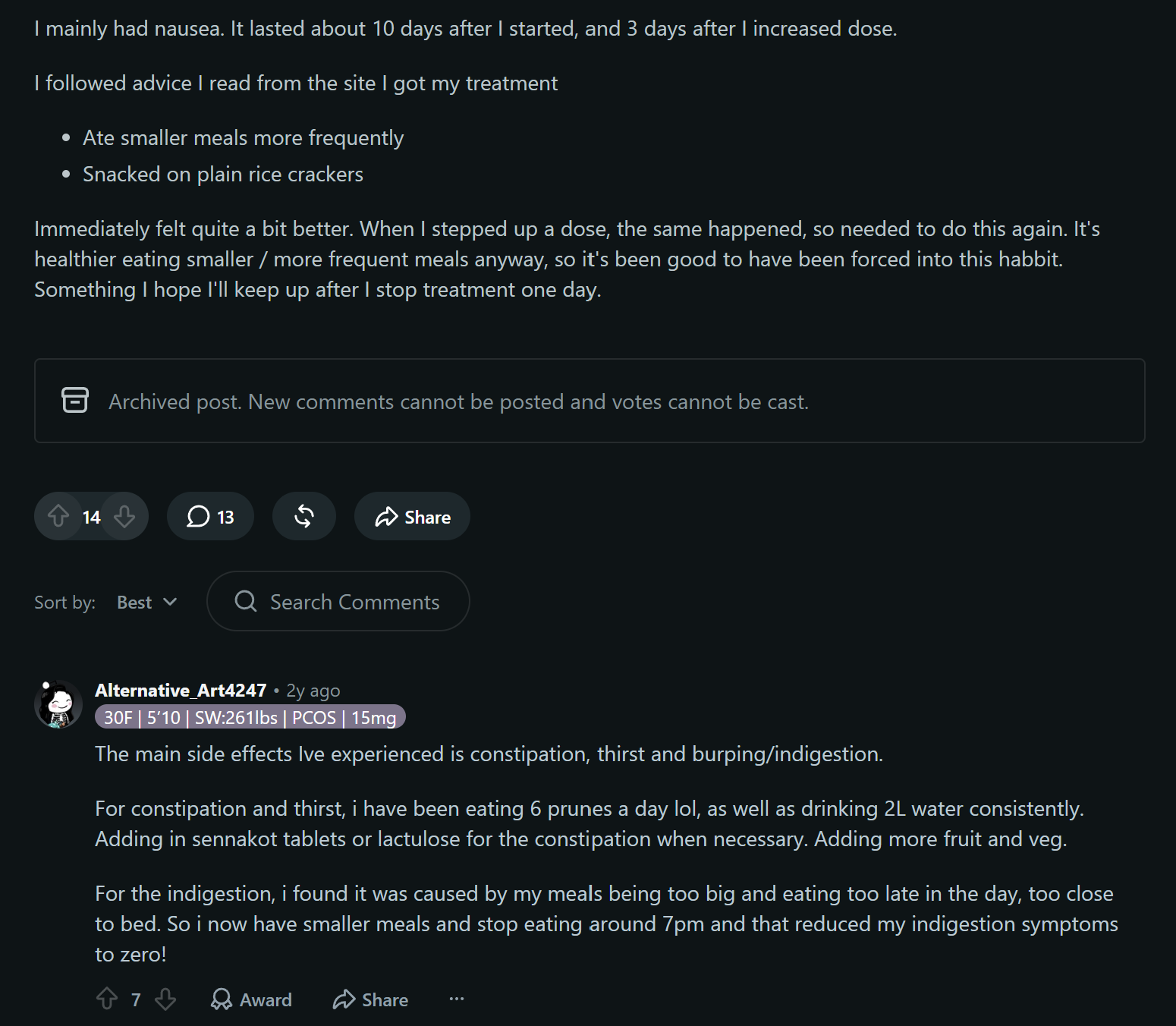
Mounjaro also carries important warnings and is not appropriate for everyone. A provider should review thyroid cancer history, pancreatitis risk, gallbladder issues, kidney problems from dehydration, severe stomach symptoms, and other medications before prescribing.
Read more about tirzepatide side effects and how to manage side effects of tirzepatide.
Cost Comparison
Costs depend on insurance, savings programs, pharmacy pricing, diagnosis, and whether the patient is using a brand-name or personalized option.
A licensed provider can help you compare brand-name access, savings programs, and alternative GLP-1 formulations based on your eligibility.
Ivy Rx’s Personalized GLP-1 Injections are made in the USA and available through a licensed-provider review process, with no insurance required and transparent plan-based pricing.
On the 12-month plan, patients save approximately $400 over the year compared to prior monthly pricing
Learn more about tirzepatide cost, Mounjaro alternatives, and how to get weight-loss medication without insurance.
How Jardiance and Mounjaro Are Administered
Jardiance
Jardiance is taken by mouth once daily, usually in the morning. It can be taken with or without food.
A few practical points:
- Drink enough fluids, especially if you are active or prone to dehydration.
- Tell your provider if you get frequent urinary tract infections or genital yeast infections.
- Ask your provider whether Jardiance should be paused before surgery, prolonged fasting, or major illness.
- Tell your provider if you notice symptoms of ketoacidosis, such as nausea, vomiting, stomach pain, unusual tiredness, or trouble breathing.
Mounjaro
Mounjaro is injected once weekly under the skin of the abdomen, thigh, or upper arm. The starting dose is not for blood sugar control. It helps the body adjust before moving to treatment doses.
A few practical points:
- Use it on the same day each week.
- Rotate injection sites.
- Follow the dose-escalation plan from your prescriber.
- Ask for support if nausea, vomiting, constipation, or diarrhea becomes hard to manage.
If you are comparing tirzepatide dosing, review the tirzepatide dosage chart, the best time of day to take Mounjaro, and a Mounjaro diet plan.
Safety Considerations Before Starting Jardiance & Mounjaro
Both medications require a prescription. Neither should be chosen only because it sounds stronger or more convenient. Your provider needs to review your diagnosis, current medications, medical history, and treatment goal.
Jardiance
Dehydration and Low Blood Pressure
Jardiance makes the body pass more glucose and fluid through urine. This can increase the risk of dehydration or low blood pressure, especially in older adults, people taking diuretics, or people who do not drink enough fluids.
Call your provider if you feel faint, very thirsty, weak, or dizzy.
Genital and Urinary Infections
Because Jardiance increases glucose in the urine, it can raise the risk of genital yeast infections and urinary tract infections.
This does not mean everyone will get an infection. But if you already get frequent infections, your provider should know before prescribing it.
Ketoacidosis Risk
SGLT2 inhibitors can rarely be linked with ketoacidosis, a serious condition where acids build up in the blood. This can happen even when blood sugar is not extremely high.
Symptoms can include nausea, vomiting, stomach pain, tiredness, and trouble breathing. These symptoms need urgent medical attention.
Mounjaro
Gastrointestinal Side Effects
Mounjaro commonly causes stomach-related side effects. Nausea, diarrhea, vomiting, constipation, indigestion, and stomach pain may appear when starting or increasing dose.
A slower dose plan may help some patients, but dose changes should come from a licensed provider.
Thyroid Tumor Warning and Contraindications
Mounjaro has a boxed warning about thyroid C-cell tumors based on animal studies. It should not be used by people with a personal or family history of medullary thyroid carcinoma or people with multiple endocrine neoplasia syndrome type 2.
Your provider should review this before prescribing.
Pancreatitis, Gallbladder, and Kidney Concerns
Mounjaro may not be suitable for people with certain pancreatic, gallbladder, kidney, or severe gastrointestinal issues. Vomiting or diarrhea can also increase dehydration risk.
If you are considering personalized tirzepatide, read more about whether compounded tirzepatide is safe and review Ivy Rx’s safety information.
Who Might Choose Jardiance or Mounjaro?
Choose Jardiance If Heart, Kidney, or Heart-Failure Risk Is Central
Jardiance may fit patients whose provider is treating type 2 diabetes alongside heart failure, chronic kidney disease, or cardiovascular-risk concerns.
It may also suit someone who strongly prefers an oral tablet and is not mainly seeking weight loss.
Choose Mounjaro If Weight Loss Is a Major Goal
Mounjaro may be a better fit when blood sugar control and meaningful weight loss are both priorities.
For patients whose main goal is weight management, a provider may also discuss Zepbound, tirzepatide, semaglutide, or another GLP-1 option. Ivy Rx’s weight-loss pathway is most relevant for this group.
Choose a GLP-1 Alternative If Mounjaro Is Not Accessible
Cost, insurance coverage, side effects, or eligibility can make Mounjaro difficult to access.
If that happens, your provider may discuss alternatives. You can compare Contrave vs Mounjaro, review alternatives to Ozempic, or learn about switching from Ozempic to Mounjaro.
Who Shouldn't Use Jardiance or Mounjaro?
Jardiance May Not Suit Some Patients
Jardiance may not be appropriate if you have a history of serious hypersensitivity to empagliflozin, frequent genital infections, high dehydration risk, or certain kidney concerns.
Nor is it used to treat type 1 diabetes. Your provider should review ketoacidosis risk before prescribing.
Mounjaro May Not Suit Some Patients
Mounjaro should not be used by people with a personal or family history of medullary thyroid carcinoma or people with MEN2.
It may also require extra caution if you have a history of pancreatitis, gallbladder disease, severe stomach problems, kidney issues related to dehydration, or pregnancy plans.
Weight-Loss-Only Patients Need the Right Medication Path
If you do not have type 2 diabetes and are seeking weight loss, do not assume Mounjaro is the right brand. Tirzepatide is also available as Zepbound for chronic weight management in qualifying patients.
A licensed provider can help match the medication to the correct indication and your access options.
Can Jardiance and Mounjaro Be Used Together?
Sometimes, Jardiance and Mounjaro can be used together when a provider decides the combination fits a patient’s type 2 diabetes plan.
They work through different mechanisms. Jardiance helps remove glucose through urine. Mounjaro works through GIP and GLP-1 hormone pathways.
But the combination must be provider-guided. Your clinician may need to review:
- Blood sugar patterns
- Other diabetes medications
- Dehydration risk
- Kidney function
- Gastrointestinal side effects
- Infection history
- Insurance coverage
- Prior authorization requirements
Insurance may not treat both drugs the same way. One may be covered while the other needs prior authorization or is denied.
If you are switching, combining, or comparing medications, do not do it alone. Ivy Rx can support weight-loss-focused GLP-1 evaluation, but diabetes medication combinations should stay coordinated with the clinician managing your blood sugar.
Get a Tailored Weight Loss Plan From Ivy Rx
If your main goal is weight loss, the Jardiance vs Mounjaro decision often points toward GLP-1 or tirzepatide-based care rather than Jardiance alone.
Ivy Rx offers Personalized GLP-1 Injections through an online assessment and licensed-provider review. If prescribed, treatment is delivered to your home with dosing guidance and support.
Ivy Rx’s Personalized GLP-1 Injections are made in the USA and available with transparent plan-based pricing. Semaglutide starts as low as $97 per month, while tirzepatide starts as low as $197 per month with a 12-month plan billed upfront.
Explore Personalized GLP-1 Injections today.
FAQs
Is Jardiance Better Than Mounjaro?
Sometimes. Jardiance may be better for certain heart, kidney, or heart-failure priorities. Mounjaro is usually stronger for weight loss and appetite control.
Can Jardiance and Mounjaro Be Taken Together?
Yes, sometimes. A provider may prescribe them together for type 2 diabetes, but monitoring, side effects, and insurance rules need review.
Does Jardiance Cause More Weight Loss Than Mounjaro?
No. Mounjaro generally produces greater weight loss. Jardiance may cause modest weight change, but weight loss is not its main role.
Is Mounjaro an SGLT2 Inhibitor?
No. Mounjaro is a GIP/GLP-1 receptor agonist. Jardiance is the SGLT2 inhibitor.
Who Makes Jardiance?
Jardiance is marketed by Boehringer Ingelheim and Eli Lilly. Its active ingredient is empagliflozin.


Ivy RX patients
Members of Ivy RX branded medications were paid for their testimonials.
- https://www.accessdata.fda.gov/drugsatfda_docs/label/2025/204629s063lbl.pdf
- https://www.accessdata.fda.gov/drugsatfda_docs/label/2026/215866s009lbl.pdf
- https://patient.boehringer-ingelheim.com/us/products/jardiance/jardiance-cost
- https://pricinginfo.lilly.com/mounjaro
- https://pmc.ncbi.nlm.nih.gov/articles/PMC10115620/
Related
Resources

Liraglutide Cost in 2026 Prices With & Without Insurance
Liraglutide costs $500 to $1,700 per month without insurance. Generic versions and discount cards can cut costs to under $500 per month.
.jpg)
Glutathione Injections Benefits, Risks & Side Effects (2026)
Do glutathione injections really work? Explore the evidence behind their proposed skin, antioxidant, anti-aging, and wellness benefits.

Ro Weight Loss Review 2026 Cost, Legitimacy & Verdict
Ro weight loss review: the Ro Body program is a legit brand-name GLP-1 service, but a $149/mo membership plus separate medication means $4,000+ a year