





.avif)


Article Outline
Start your personalized GLP-1 program


Microdosing Retatrutide 101: How it Works, Benefits & Risks
Retatrutide is one of the most closely watched compounds for body-weight reduction and type-2 diabetes management. It works differently from current GLP-1 receptor agonists, and early type I and type II studies suggest it may produce greater weight loss than other options.
A growing group of people is already microdosing this retatrutide. Using much smaller amounts than clinical doses to test personal tolerance and reduce side effects.
Here's all you need to know about microdosing retatrutide.
What Is Retatrutide?
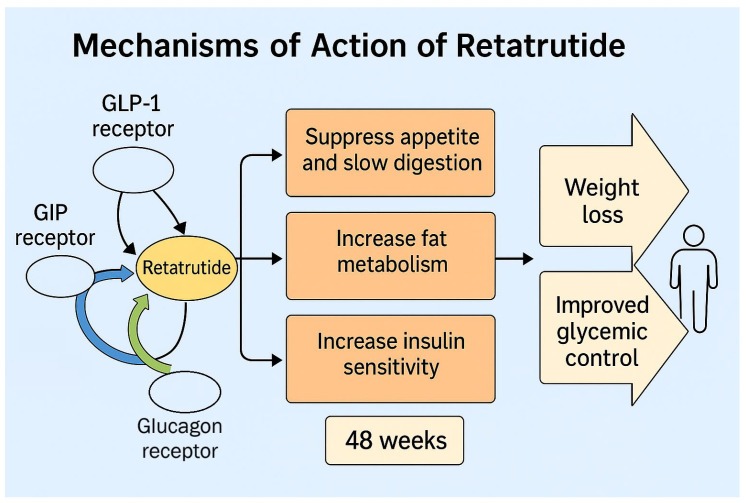
Retatrutide binds to the GLP-1, GIP, and glucagon receptors at the same time, triggering a chain of effects:
- GLP-1 (Glucagon-Like Peptide-1) receptor: suppresses appetite and slows digestion.
- GIP (Glucose-dependent Insulinotropic Polypeptide) receptor: increases insulin sensitivity and improves glycemic control (blood sugar control).
- Glucagon receptor: boosts fat metabolism and energy expenditure.
The triple-receptor agonist is what separates retatrutide from anything currently available. Activating all three pathways at once signals your body to eat less, process glucose better, and burn fat faster.
What Does "Microdosing" Mean in This Context?
Microdosing is a lower-stakes medical introduction that goes below the standard dose of any drug. The dose is small enough to limit side effects, but effective enough to cause positive changes and deliver the results you desire.
With retatrutide, the goal isn't replicating the weight loss seen in phase 2 trials. It's using sub-therapeutic amounts to ease into the compound, either before committing to a standard protocol, or as an alternative to the standard dose.
If you are already familiar with GLP-1 microdosing schedules, the approach follows a similar logic.
You start low, observe closely, and adjust based on what your body tells you.
Why Are People Microdosing Retatrutide?
Reducing Side Effects
Nausea, bloating, vomiting, and loose stools are common side effects when taking the full dose of medication.
So starting smaller may reduce their severity while still delivering some metabolic signal. This approach mirrors the titration schedule that licensed providers use when starting patients on compounded GLP-1 therapy.
Long-Term Sustainability
Some users are not chasing dramatic, rapid weight loss. They want to maintain the same protocol for months or years until they achieve a desired weight-loss result.
And microdosing fits that framing. Lower doses may mean more modest results. For maintenance-focused users, it's a strategy and not a shortcut.
Cost and Accessibility Considerations
The rarity of this medication makes cost a real factor. People are testing smaller amounts partly because it's all they can afford or obtain.
But if you're looking at licensed, medically supervised GLP-1 options with transparent pricing, it is worth understanding what microdosing GLP-1 costs under a structured program versus self-sourcing.
Comparison of Popular Retatrutide Microdosing Schedules
There is no clinical standard for retatrutide microdosing. What circulates online comes from self-reported community experiments, not medical protocols.
That said, a few patterns appear consistently in forum discussions and anecdotal reports.
The Test Run
Once per week, same day each time. The dose is very small, well below clinical levels, just enough to see how your body reacts before you consider increasing.
The Split
Every 3–4 days instead of once per week. The total weekly amount stays the same, but dividing it into two smaller injections reduces the spike in side effects that a single weekly dose can cause.
The Slow Build
Once per week, with the dose increasing gradually every few weeks. It mirrors how licensed providers titrate GLP-1 therapy: the body adjusts incrementally rather than absorbing a full dose upfront.
The Hold
Once per week, dose fixed, no planned increases. This suits people focused on maintaining progress rather than pushing for further weight loss.
Potential Benefits of Microdosing Retatrutide
No clinical data reports potential benefits of microdosing retatrutide yet. But the phase 2 clinical trial data on standard dosing, plus a growing body of community reports, are positive.
1. Gentler Appetite Control
At sub-therapeutic amounts, retatrutide may still produce mild appetite suppression through its GLP-1 and GIP receptor activity.
For users who have struggled with the aggressive appetite blunting of higher GLP-1 doses, this may be a more tolerable middle ground.
Learn more about how personalized GLP-1 injections are structured to match individual tolerance.
2. Improved Tolerability for Sensitive Users
Users with pre-existing GI conditions or those who are highly sensitive to peptide-based therapies may find that lower doses let them access some of the drug's metabolic effects without triggering severe symptoms.
Read on the benefits of microdosing GLP-1 for context on how this plays out.
3. More Flexibility With Lifestyle Changes
Lower doses require less dietary restriction to avoid nausea, which may make it easier to maintain consistent nutrition and exercise habits.
This is especially relevant for users who find full-dose GLP-1 therapy hard to pair with active lifestyles.
For context on how retatrutide, with three agonist receptors, differs from established options, read our comparison post on GLP-1 vs Ozempic overview.
Risks, Limitations, and Important Warnings
1. No Clinical Data on Microdosing Specifically
Every clinical study on retatrutide so far has used standard therapeutic doses. There is no peer-reviewed evidence that microdosing is safe, effective, or superior to any alternative. Community reports, however compelling, are not a substitute for controlled research.
2. Wide Variability in Individual Response
What produces minimal side effects in one person may cause significant adverse effects in another.
Body weight, existing metabolic conditions, gut motility, and medication interactions all affect how the body processes a peptide like retatrutide. There is no universal "safe low dose."
3. Quality and Purity Risks From Unregulated Sources
Retatrutide has no approved version; anyone selling it through peptide websites and unverified online stores has no pharmaceutical standard to meet. What's in the vial may be underdosed, mislabeled, or contaminated.
You can also read microdosing GLP-1 reviews to understand what a medically supervised program looks like in practice.
Microdosing Retatrutide vs Standard Dosing
See our comparison guide between retatrutide vs tirzepatide to discover the potential benefits, costs, and side effects between the two synthetic peptides.
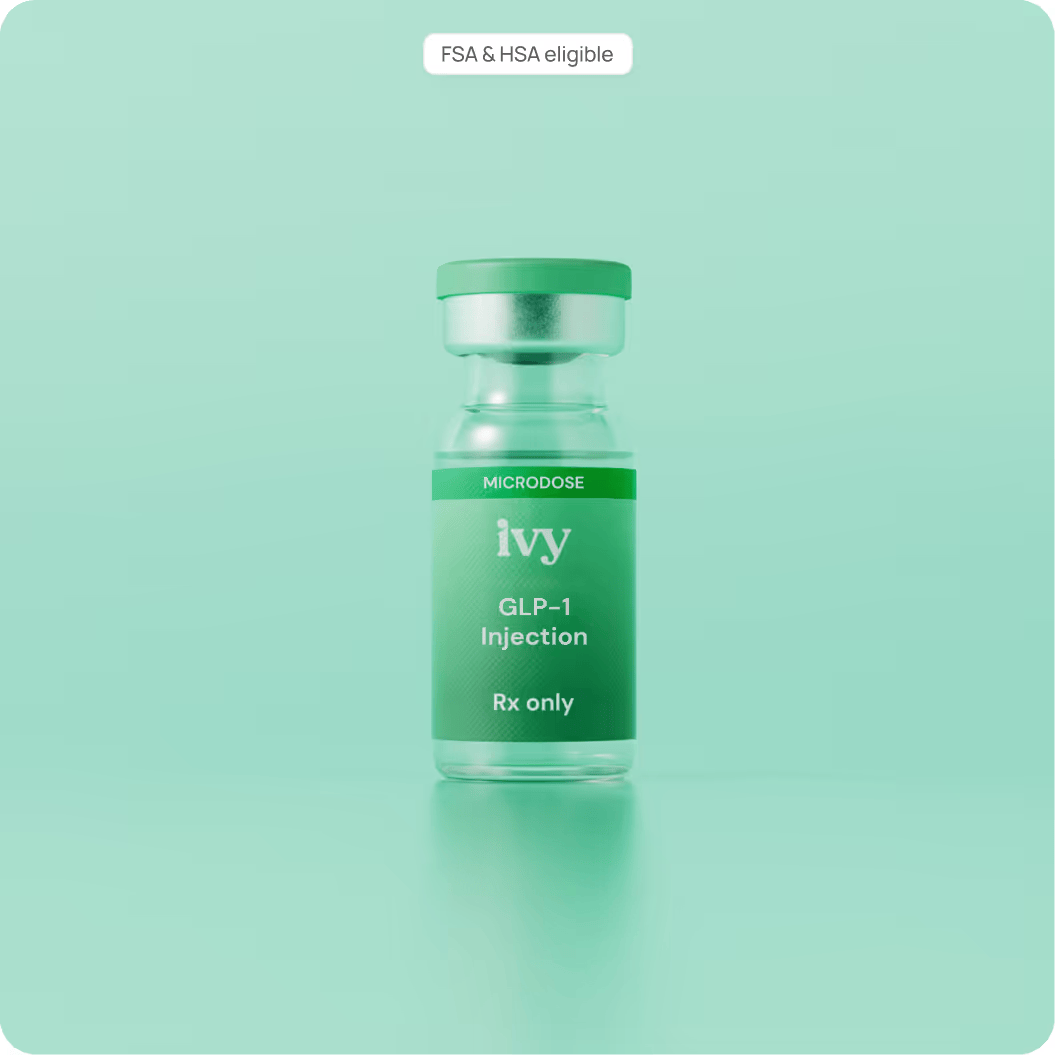
Ivy Rx's microdose GLP-1 injections program is medically evaluated, provider-supervised, and structured to help you participate in GLP-1 therapy without being derailed by potential side effects.
Who Might Consider Microdosing Retatrutide?
This approach may make sense for:
- GLP-1-sensitive individuals who have tried semaglutide or tirzepatide and found the side effects unmanageable
- First-time metabolic therapy users who want to test their response before committing to a full protocol
- Maintenance-focused users are not seeking aggressive weight loss, but are looking to preserve progress already made
Who Should Avoid Microdosing Retatrutide?
Some people should not explore this at all, at least not outside a clinical trial.
- Anyone with a thyroid cancer history or family risk. Glucagon receptor agonists carry a theoretical (though unconfirmed in humans) thyroid C-cell concern.
- People with active pancreatitis or a documented history. GLP-1 class medications carry a known cautionary flag here.
- Anyone expecting fast, dramatic weight loss. Microdosing will not deliver that; managing expectations matters.
- Anyone unwilling to consult a licensed provider. Self-directed use of unregulated peptides without oversight is not a risk worth taking, full stop.
- Pregnant or breastfeeding individuals. No safety data exists for this population.
Is Microdosing Retatrutide Legal and Safe?
No. Retatrutide cannot be legally prescribed or compounded outside of clinical trials. The FDA has explicitly stated it does not meet the requirements for compounding exemptions.
Compounding pharmacies may sell retatrutide labeled "for research purposes only, not for human consumption."
If you are interested in a supervised, structured approach to low-dose GLP-1 therapy, personalized GLP-1 injections and microdose GLP-1 injections through Ivy Rx represent that model.
What Users Are Saying About Microdosing Retatrutide
Although there is no direct clinical evidence supporting microdosing retatrutide, some people report positive results from taking this peptide.
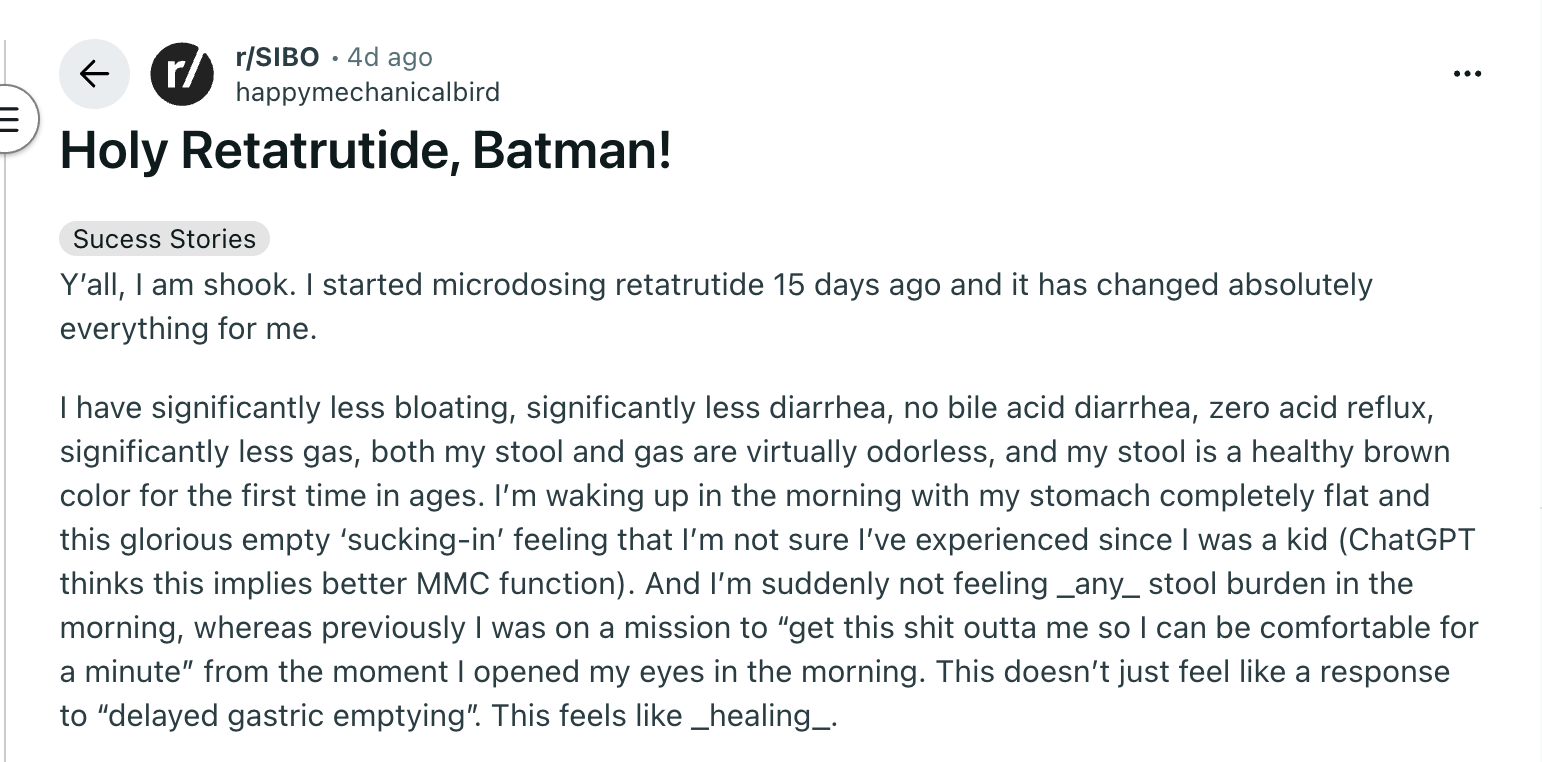
A 43-year-old woman with a 25-year history of Crohn's disease — including bowel resection and severe bile acid malabsorption — shared her experience after 15 days on a split-dose retatrutide protocol.
Her report, shared on Reddit, described dramatic GI improvements: significantly reduced bloating, near-complete resolution of bile acid diarrhea, no acid reflux, and what she described as the first pain-free eating she had experienced in years.
She noted that 0.5mg every three days worked better for her than standard weekly dosing.
Another Reddit user records a whopping 4kg weight drop within 2 months, despite a short holiday break mid-protocol.
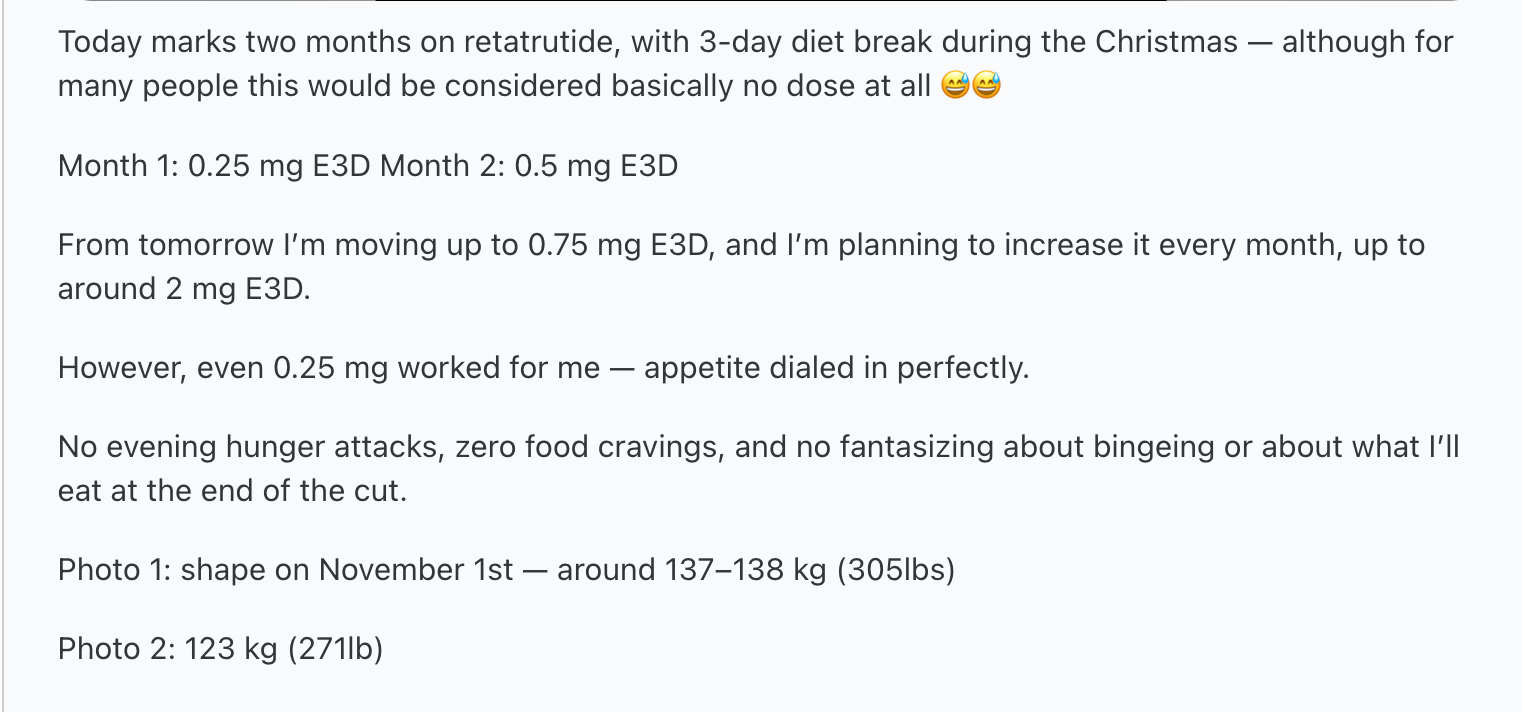
This review came with a before-and-after photo as proof of progress.
Before microdosing retatrutide:
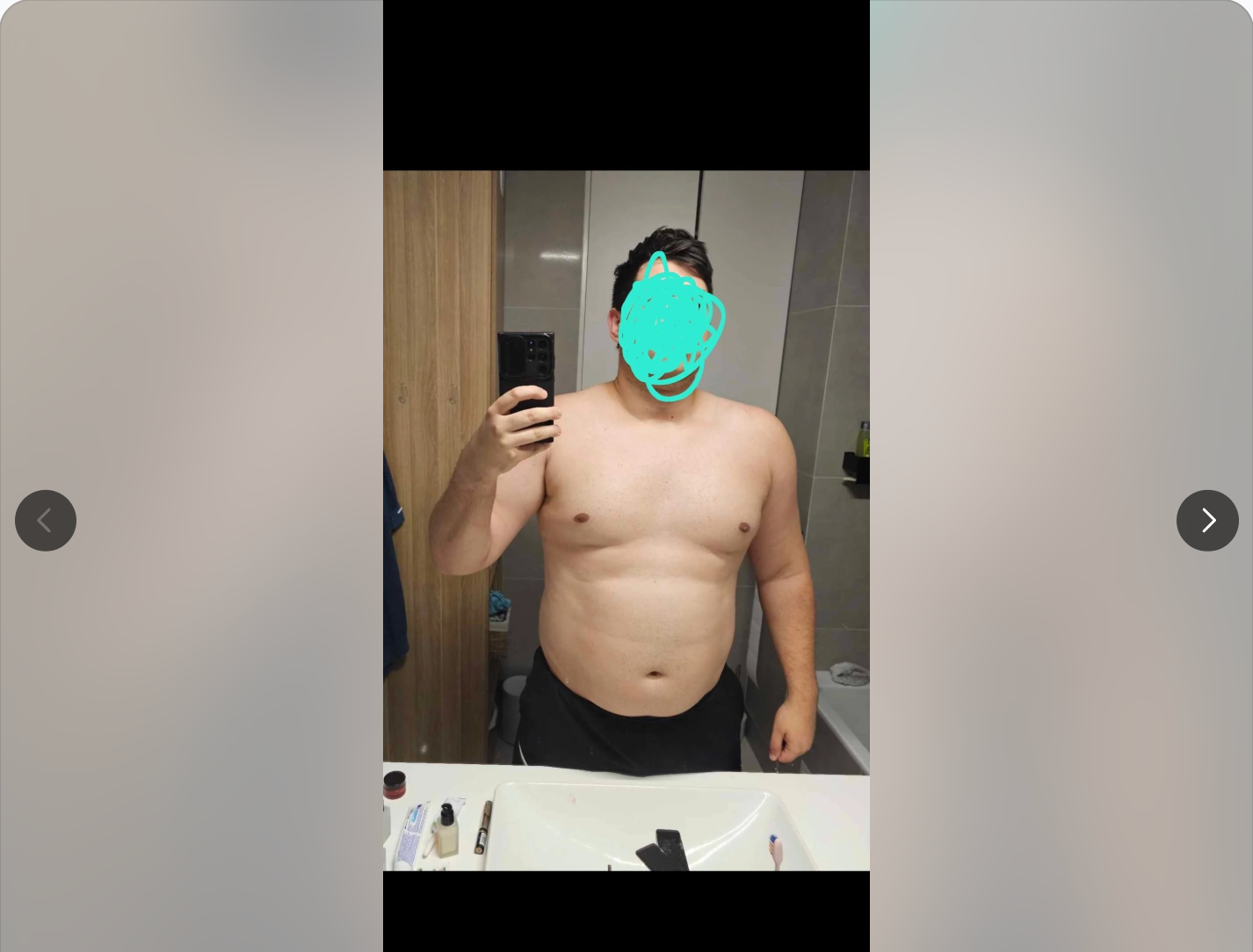
After microdosing retatrutide:

What Research Models and Early Data Suggest
Formal clinical data on retatrutide microdosing does not exist yet. What we can draw from is the phase 2 trial data on standard dosing, published in Biomolecules, which showed dose-dependent weight loss with a favorable safety profile over 48 weeks.
The triple-agonist mechanism is what makes retatrutide theoretically interesting even at lower doses. Each receptor it activates produces a distinct effect:
- GLP-1 receptor: suppresses appetite and slows digestion, reducing overall caloric intake
- GIP receptor: increases insulin sensitivity, supporting better glycemic control
- Glucagon receptor: boosts fat metabolism, driving energy expenditure independent of diet
These three pathways point toward two outcomes: meaningful weight loss and improved glycemic control.
Take the Next Step with Professional Guidance from Ivy Rx
Retatrutide is not available through Ivy Rx or any licensed telehealth platform yet.
But if you're interested in a microdose option with a lower intensity, better tolerability, and sustainability, then Ivy Rx's microdose GLP-1 injections program is worth exploring.

%25201.avif)

Ivy RX patients
Members of Ivy RX branded medications were paid for their testimonials.
- Coskun T, Urva S, Roell WC, Qu H, Loghin C, Moyers JS, O'Farrell LS, Briere DA, Sloop KW, Thomas MK, Pirro V, Wainscott DB, Willard FS, Abernathy M, Morford L, Du Y, Benson C, Gimeno RE, Haupt A, Milicevic Z. LY3437943, a novel triple glucagon, GIP, and GLP-1 receptor agonist for glycemic control and weight loss: From discovery to clinical proof of concept. Cell Metab. 2022 Sep 6;34(9):1234-1247.e9. https://pubmed.ncbi.nlm.nih.gov/35985340/. DOI: 10.1016/j.cmet.2022.07.013.
- Katsi V, Koutsopoulos G, Fragoulis C, Dimitriadis K, Tsioufis K. Retatrutide-A Game Changer in Obesity Pharmacotherapy. Biomolecules. 2025 May 30;15(6):796. https://pmc.ncbi.nlm.nih.gov/articles/PMC12190491/#B35-biomolecules-15-00796. PMID: 40563436.
- https://azdo.gov/sites/default/files/2025-04/retatrutide-letter-to-fsmb.pdf. Accessed 14th March, 2026.
Related
Resources
.avif)
Microdosing Semaglutide 101: How it Works, Benefits & Risks
Microdosing semaglutide explained: understand effects, benefits, and precautions, plus how telehealth platforms like IvyRx support safe access.

7 Natural Semaglutide Alternatives for Weight Loss & Diabetes Management
7 natural alternatives and their benefits for managing blood sugar, weight, and overall health…
.png)
How to Get Tirzepatide for Weight Loss (2026 Guide)
Learn how to get tirzepatide for weight loss, including eligibility requirements, prescription options, insurance coverage, and safe ways to start treatment.