





.avif)


Article Outline
Live longer with NAD+


NAD+ Injection Side Effects: What's Normal and What's Not
If you felt warm, tired, nauseous, sore, flushed, crampy, or a little “off” after your NAD+ shot, it can feel unsettling.
But the good news is that most NAD+ injection side effects are mild and short-lived, especially with subcutaneous injections used at home.
This guide explains what is usually normal, how long symptoms last, what you can do to reduce them, and when it is time to contact your provider.
What Are the Most Common NAD+ Injection Side Effects?
The most common NAD+ injection side effects are usually mild, short-lived, and manageable.
Here is the quick list, from more common to less common:
Less common symptoms may include muscle cramps, chills, sleep disruption, anxiety or restlessness, mild blood-pressure changes, or stronger heart-rate awareness.
Most of these symptoms should fade as the dose settles and your body adjusts. If side effects are intense, last beyond the expected window, or keep happening after each dose, the plan may need a provider review.
For realistic treatment expectations, read NAD+ injections before and after and the NAD+ injection dosage guide.
Why Do NAD+ Injections Cause These Side Effects?
NAD+ injections can cause side effects because your body is reacting to a concentrated NAD+ dose entering the tissue and bloodstream.
The reaction can feel strange, especially the first few times. NAD+ plays a role in cellular energy metabolism, so some patients describe warmth, flushing, nausea, fatigue, tingling, or a temporary “rush” after dosing.
The reaction can be stronger when:
- The dose is higher than your body tolerates well
- The injection is given too quickly
- You are dehydrated
- You inject on an empty stomach
- You repeat the same injection site
- You are sensitive to flushing or blood-pressure shifts
- You are using other supplements, stimulants, or medications
The goal is not to push through intense symptoms. Mild effects can be normal, but repeated discomfort often means the protocol needs adjustment.
A simple way to think about it: the body may need time, hydration, and the right injection pace to tolerate NAD+ well.
For a broader comparison, see NAD vs NAC.
Subcutaneous Injection vs IV Infusion: Are the Side Effects the Same?
No. Subcutaneous NAD+ injections and NAD+ IV infusions can overlap in side effects, but they are not the same experience.
Most online content talks about IV infusions, where NAD+ goes directly into a vein over a set infusion time. Faster IV infusion rates are more likely to cause stronger whole-body symptoms such as nausea, flushing, chest tightness, muscle cramps, anxiety, sweating, shortness of breath, or blood-pressure shifts.
Subcutaneous injections are different. The dose is placed into fatty tissue under the skin and absorbed more gradually, which usually makes the experience more localized and often milder.
This distinction is important if you are reading NAD IV side effects online and assuming the same thing will happen after an at-home injection. Some symptoms overlap, but route, dose, and speed change the side-effect profile.
Learn more about NAD injection vs NAD nasal spray and NAD+ nasal spray.
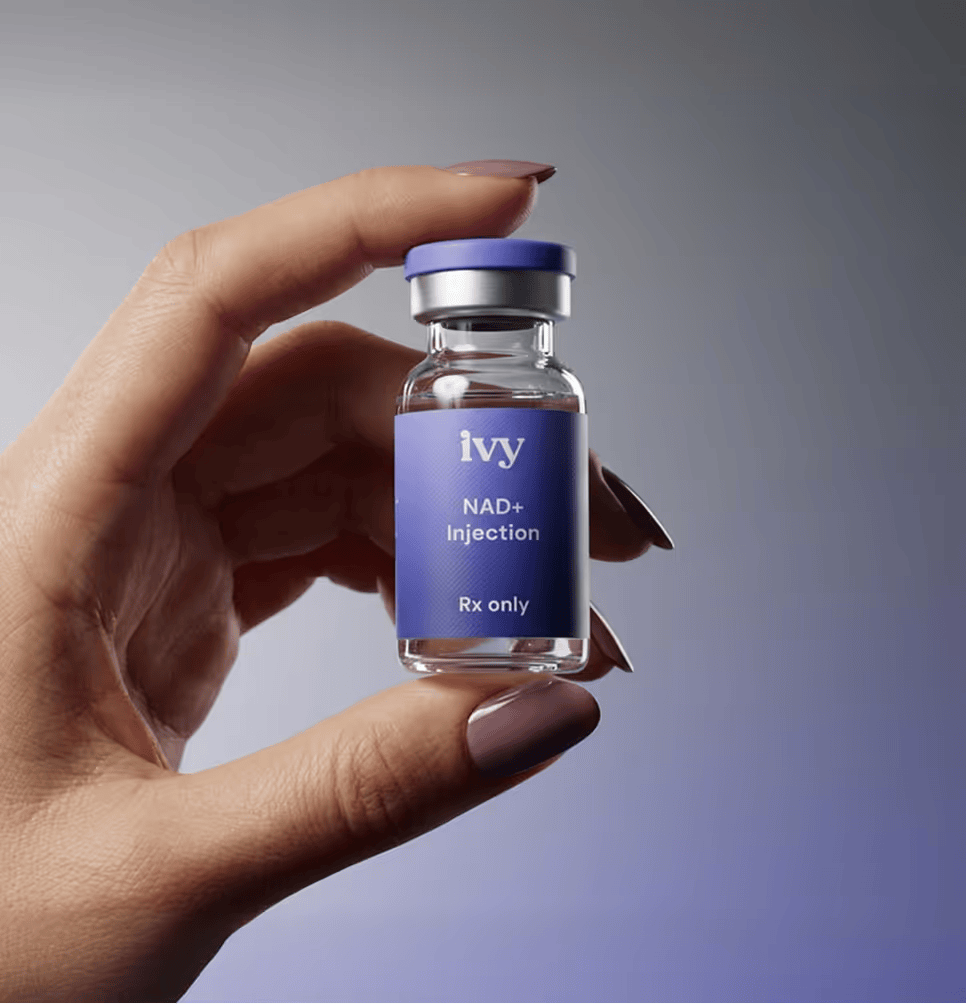
How Long Do NAD+ Injection Side Effects Last?
Most NAD+ injection side effects last a few minutes to a couple of hours.
A common timeline looks like this:
A small amount of soreness or bruising can last longer, especially if you inject in the same area repeatedly or tense up during the shot.
Side effects should not steadily worsen. They should also not cause severe chest pain, fainting, trouble breathing, facial swelling, hives, or persistent rapid heartbeat. Those symptoms need urgent medical guidance.
If side effects are lasting longer with each dose, write down your dose, timing, injection site, hydration, meals, and symptoms. Your provider can use that pattern to decide whether to slow the injection, adjust timing, reduce dose, or pause treatment.
Does Your Dose Affect Which Side Effects You Get?
Yes. Dose can affect both the type and intensity of NAD+ injection side effects.
A lower dose may cause only mild injection-site soreness or a brief warm feeling. A higher dose may be more likely to cause whole-body symptoms such as nausea, flushing, headache, fatigue, cramps, dizziness, or a racing-heart feeling.
This does not mean higher doses are automatically unsafe. It means higher-dose protocols may need better pacing, hydration, food timing, and provider oversight.
A patient taking 50 mg and a patient taking 500 mg may not have the same experience. The higher-dose patient is more likely to notice stronger body sensations because the NAD+ load is different.
If your symptoms started after a dose increase, do not keep pushing the same protocol without support. A provider may suggest slowing the injection, rotating sites, changing the time of day, spacing doses differently, reducing the dose, or building up more gradually.
Read more about NAD+ injection dosage and how to inject NAD+.
How to Reduce Side Effects From NAD+ Injections
Small protocol changes can make a big difference. Start with injection speed, then review hydration, food timing, site rotation, and dose.
1. Inject Slowly
Injecting slowly is the most useful first adjustment.
A fast injection can make NAD+ feel more intense and may trigger warmth, nausea, cramps, flushing, pressure, or a brief racing-heart feeling. Slow down the push, pause if you feel discomfort, and follow the pace your provider recommends.
2. Stay Hydrated Before and After
Dehydration can make side effects feel stronger.
Drink fluids before and after your shot, especially if you tend to get headaches, cramps, dizziness, or rapid-heartbeat sensations. If you sweat heavily, exercise, drink alcohol, or eat very low carb, ask your provider whether electrolytes are appropriate.
3. Don't Inject on an Empty Stomach
Some people feel more nausea, shakiness, or lightheadedness when they inject NAD+ without eating.
You do not need a heavy meal. A small snack with protein or carbohydrates may be enough. Try yogurt, toast, eggs, soup, fruit, or a smoothie if your stomach is sensitive.
4. Rotate Injection Sites
Repeatedly injecting into the same spot can increase soreness, bruising, irritation, lumps, or tenderness.
Rotate between approved areas such as the abdomen or thigh, based on your provider’s instructions. Avoid injecting into skin that is bruised, red, hard, swollen, itchy, scarred, or painful.
5. Adjust Timing or Dose With Your Provider
If side effects keep happening, the dose or schedule may need review.
Do not change your dose on your own. A provider may suggest a lower dose, slower build-up, different timing, longer spacing between injections, or changes to injection technique.
When Should You Actually Be Worried?
Most NAD+ injection side effects are temporary. But some symptoms are not normal and should be reviewed quickly.
Call your provider or seek urgent medical care if you have:
- Chest pain, pressure, or tightness
- Trouble breathing
- Fainting or feeling like you may faint
- Swelling of the lips, tongue, throat, or face
- Hives, widespread rash, or severe itching
- Persistent rapid heartbeat or palpitations
- Severe dizziness, confusion, or weakness
- Severe or worsening muscle cramps
- Vomiting or diarrhea that does not settle
- Severe headache or vision changes
- Fever, pus, spreading redness, warmth, or worsening pain at the injection site
If you received NAD+ through an IV infusion instead of a subcutaneous injection, also watch for severe vein pain, swelling, redness along the vein, or worsening arm discomfort.
A mild warm feeling or brief fatigue is different from symptoms that are severe, spreading, persistent, or getting worse.
For normal-results context, see NAD+ injections before and after.
Who Should Be Cautious?
NAD+ injections may not be the right fit for every patient. Some people need extra screening before starting or continuing.
Be cautious and speak with a provider if you:
- Have a heart condition, arrhythmia, or history of fainting
- Have uncontrolled blood pressure
- Have kidney or liver disease
- Are pregnant, trying to become pregnant, or breastfeeding
- Have active cancer or a complex cancer history
- Have severe anxiety or panic symptoms triggered by body sensations
- Take stimulants, blood pressure medication, diabetes medication, diuretics, or multiple supplements
- Have a history of allergic reactions to injectable medications
- Get strong side effects even at lower doses
This does not mean NAD+ injections are automatically unsafe for everyone in these groups. It means the protocol should be reviewed more carefully before continuing.
If symptoms are strong, the safer move is not to push through. Review dose, timing, hydration, injection speed, and other health factors with a provider.
Still Experiencing Side Effects? Here Is What Ivy Rx Patients Do
Provider review is not a last resort. It is how NAD+ injection protocols are adjusted safely.
If side effects keep happening, Ivy Rx can help eligible patients review:
- Injection speed
- Dose level
- Dose timing
- Injection site rotation
- Hydration and electrolyte habits
- Whether to take the shot with food
- Whether symptoms started after a dose change
- Whether another NAD+ format may be easier to tolerate
For example, a patient with repeated soreness may need better site rotation or technique review. A patient with nausea, cramps, or a racing-heart feeling after higher doses may need slower injection speed, lower dose, or longer spacing.
The goal is not to “tough it out.” The goal is to make the protocol tolerable and safe enough to continue when appropriate.
For related reading, see if NAD helps with hair loss and NAD vs NAC.
Most Side Effects Are Temporary and Manageable
Most NAD+ injection side effects are mild and pass within a short window. If symptoms are brief, improving, and familiar, simple changes such as injecting more slowly, rotating injection sites, hydrating, and adjusting timing with provider guidance may help.
If symptoms are intense, persistent, or worrying, pause self-adjustments and contact your provider for a protocol review.
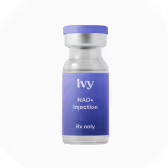
Learn more about Ivy Rx’s NAD+ injections that are made in the USA, or contact the care team for support.
FAQs
Why Do I Feel Weird After a NAD Shot?
Usually, it is your body reacting to the NAD+ dose, injection speed, hydration status, or dose level. Warmth, flushing, nausea, fatigue, or a brief “rush” can happen.
Do NAD+ Injection Side Effects Go Away on Their Own?
Often, yes. Mild side effects usually fade within minutes to a couple of hours. Persistent, severe, or worsening symptoms should be reviewed by a provider.
Can You Take NAD+ Injections If You Have a Heart Condition?
Maybe, but only with provider guidance. Heart conditions, rhythm issues, fainting history, and blood pressure problems should be reviewed before starting or continuing NAD+ injections.
Is It Normal to Feel Tired After a NAD+ Injection?
Yes, mild fatigue can happen. Some people feel tired, foggy, or heavy for a short time after the shot, especially at higher doses.
Does NAD+ Injection Cause Flushing and How Long Does It Last?
Yes, flushing can happen. It usually feels like warmth, redness, sweating, or a rush sensation and often settles within minutes to an hour.

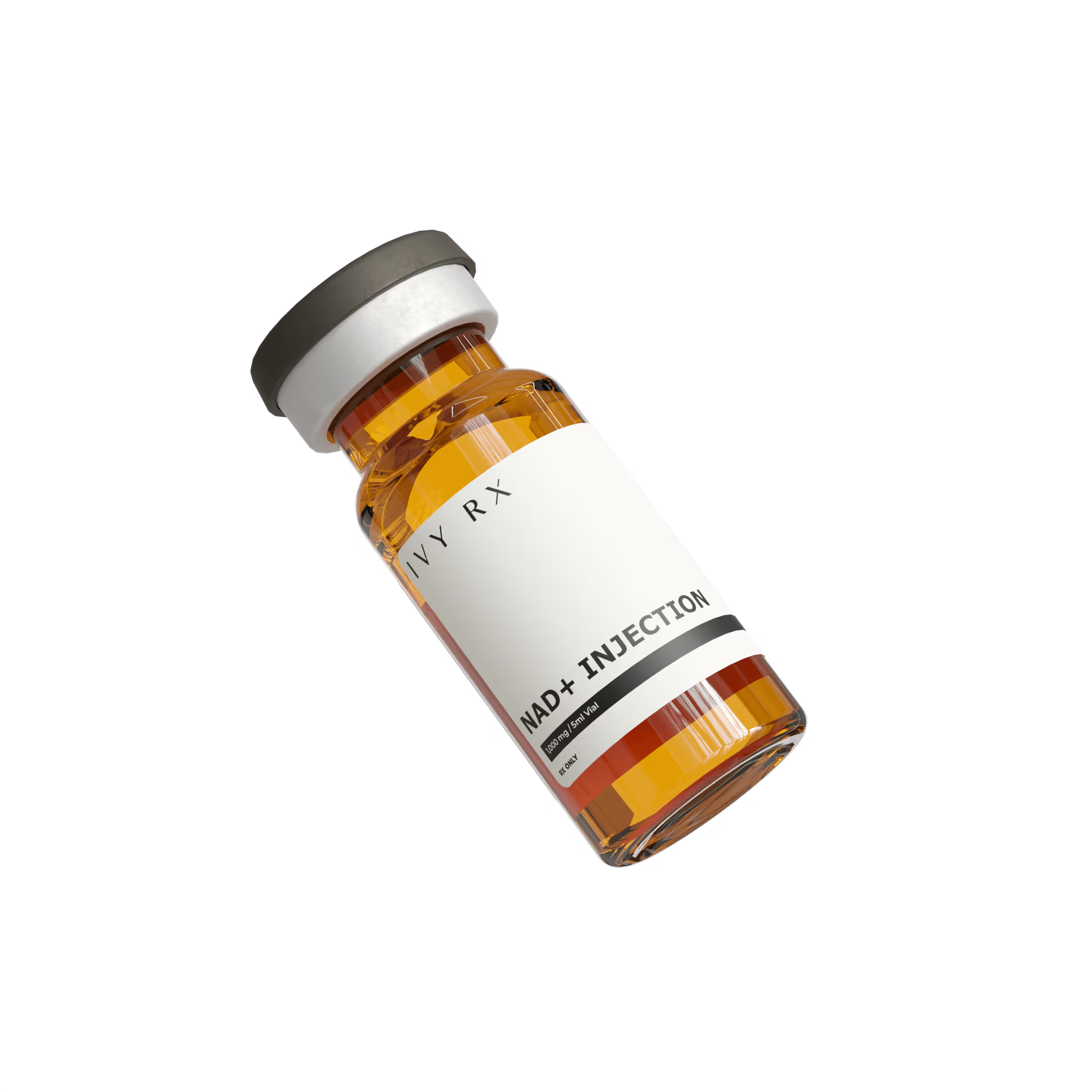

Ivy RX patients
Members of Ivy RX branded medications were paid for their testimonials.
Related
Resources

Liraglutide Cost in 2026 Prices With & Without Insurance
Liraglutide costs $500 to $1,700 per month without insurance. Generic versions and discount cards can cut costs to under $500 per month.
.jpg)
Glutathione Injections Benefits, Risks & Side Effects (2026)
Do glutathione injections really work? Explore the evidence behind their proposed skin, antioxidant, anti-aging, and wellness benefits.

Ro Weight Loss Review 2026 Cost, Legitimacy & Verdict
Ro weight loss review: the Ro Body program is a legit brand-name GLP-1 service, but a $149/mo membership plus separate medication means $4,000+ a year