









Article Outline
Start your personalized GLP-1 program


Semaglutide for Weight Loss How It Works & What to Expect
Semaglutide for weight loss works by making it easier to eat less without fighting constant hunger. It activates GLP-1 receptors involved in appetite, fullness, and digestion, which can help reduce calorie intake over time.
This guide explains what semaglutide is, how it supports weight loss, how much weight people can realistically expect to lose, and what to know before starting treatment.
What Is Semaglutide?
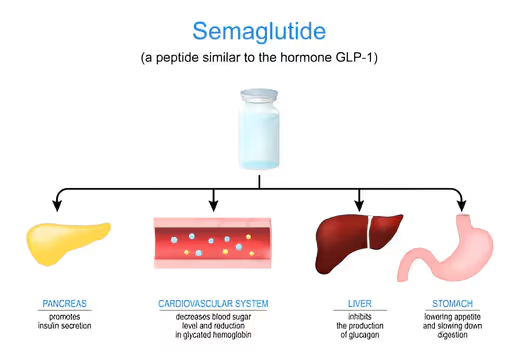
Semaglutide is a GLP-1 receptor agonist, a type of medication that mimics the action of glucagon-like peptide-1, a hormone involved in appetite, blood sugar regulation, and digestion.
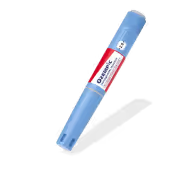
Several prescription medications contain semaglutide. Wegovy® is FDA-approved for chronic weight management in eligible adults and adolescents when used with a reduced-calorie diet and increased physical activity. The current Wegovy® label includes both injection and tablet forms. Ozempic® and Rybelsus® also contain semaglutide, but they are approved for type 2 diabetes-related uses, not as primary weight-loss medications.
The key point: semaglutide is the active ingredient, while the brand, dose, form, and FDA-approved use can differ. That is why a licensed clinician should help decide which route fits your diagnosis, goals, and medical history.
If you are comparing forms, check out semaglutide pills vs injection to understand how oral and injectable options differ. You can also read more about what semaglutide does to your body.
How Does Semaglutide Work for Weight Loss?
Semaglutide supports weight loss through several overlapping effects. The result is usually lower appetite, smaller portions, fewer cravings for large meals, and a more sustainable calorie deficit.
It reduces appetite signals
Semaglutide activates GLP-1 receptors, including pathways involved in appetite and calorie intake. In plain English, it helps your brain receive stronger “I’m full” signals.
That appetite effect is one reason people often describe less food noise, less snacking, and fewer urges to eat large portions. It does not remove the need for nutrition habits, but it can make those habits easier to follow.
A clinical STEP 1 trial of weekly semaglutide 2.4 mg showed significant weight loss when the medication was paired with lifestyle intervention. That combination is important. Semaglutide helps create the conditions for lower calorie intake, while daily habits help turn that into steady progress.
It slows digestion and increases fullness
Semaglutide delays gastric emptying, meaning food can leave the stomach more slowly. This can help you feel full for longer after meals.
That effect can be helpful for portion control, but it also explains why some side effects are digestive. If you eat large, greasy, or very heavy meals while digestion is slowed, nausea or reflux may feel worse.
The practical outcome is simple: many people do better with smaller meals, slower eating, and protein-forward food choices. If fullness comes faster than before, it helps to stop eating when you feel satisfied rather than trying to finish the same portions you ate before treatment.
It supports long-term calorie reduction
Semaglutide does not “burn fat” directly. Weight loss happens because the medication helps reduce calorie intake over time.
That is why semaglutide works best when it is paired with a realistic eating plan, enough protein, resistance training when appropriate, and follow-up with a clinician. Those habits help protect energy, muscle, and long-term consistency while the medication helps control hunger.
This is also why dose increases are gradual. A slower increase gives the body time to adjust and gives your clinician a chance to review side effects before moving forward.
If you want to understand the early stages of treatment, read how fast semaglutide works and when appetite suppression starts.
Semaglutide injections are typically subcutaneous, which means they go into fatty tissue under the skin, not muscle. Your clinician or pharmacy team should explain the injection steps before your first dose.
How Much Weight Can You Lose on Semaglutide?
People taking Wegovy® in major clinical trials lost about 13.6% to 18.8% of body weight on average, depending on dose, form, population, and study length.
The strongest published data comes from weekly semaglutide 2.4 mg used with lifestyle intervention. In the STEP 1 trial, adults with overweight or obesity without diabetes lost an average of 14.9% of body weight after 68 weeks, compared with 2.4% with placebo.
These ranges are clinical trial averages, not guarantees:
Someone starting at 220 lb, for example, could see a 15% loss equal to about 33 lb. Some people lose more, some lose less, and some stop treatment early because of side effects or cost.
The most useful benchmark is progress over time, not a dramatic first month. If weight loss slows, your clinician can review dose, side effects, nutrition, activity, sleep, and whether another plan is more appropriate.
You can also use Ivy Rx’s BMI calculator and TDEE calculator to understand your starting point before discussing treatment.
Potential Side Effects of Semaglutide for Weight Loss
Semaglutide side effects are most often digestive and tend to be more noticeable when the dose increases. Many people improve as their body adjusts, but severe or persistent symptoms should be discussed with a clinician.
Nausea and stomach discomfort
Nausea is one of the most common side effects of semaglutide. It happens partly because the medication slows digestion and increases fullness.
For many people, nausea is worse after large meals, greasy foods, alcohol, or eating past fullness. Smaller portions, slower meals, and lower-fat food choices can help.
A good first step is to plan smaller meals around protein, fiber, and fluids instead of trying to eat the same portions you ate before treatment. If nausea is making it hard to eat or drink, contact your clinician. Ivy Rx also offers anti-nausea tablets for eligible patients who need extra support during treatment.
Constipation, diarrhea, or vomiting
Semaglutide can change bowel habits. Some people get constipation because digestion slows. Others experience diarrhea or occasional vomiting, especially during dose escalation.
Hydration, fiber, gentle movement, and smaller meals can help with mild symptoms. Do not ignore repeated vomiting, severe abdominal pain, dehydration, or symptoms that keep getting worse.
If symptoms feel difficult to manage, ask your clinician whether the dose should stay the same longer before increasing. Read the guides on semaglutide headache and semaglutide not working if side effects or slow progress are making treatment confusing.
Rare risks that need medical attention
Less common but serious risks include pancreatitis, gallbladder problems, kidney issues related to dehydration, and possible thyroid C-cell tumor concerns. Wegovy®’s prescribing label also says it should not be used by people with a personal or family history of medullary thyroid carcinoma or Multiple Endocrine Neoplasia syndrome type 2.
Contact a clinician right away for severe abdominal pain, persistent vomiting, signs of dehydration, yellowing of the skin or eyes, or a lump or swelling in the neck.
Hair shedding can also happen during major weight loss, even when medication is not the direct cause. This guide on semaglutide and hair loss explains why nutrition, protein intake, and rapid weight change can play a role.
Tips to Maximize Weight Loss on Semaglutide
Semaglutide works best when it is paired with habits that protect muscle, reduce side effects, and make the lower appetite easier to use well. These steps are simple, but they make the treatment experience more predictable.
Prioritize protein and steady meals
Lower appetite can make it easier to eat less, but eating too little protein can work against your long-term goals. Protein helps support fullness and helps protect lean mass during weight loss.
A practical target is to include protein at each meal, such as eggs, Greek yogurt, fish, chicken, tofu, beans, or protein shakes if your clinician approves. Build meals around protein first, then add high-fiber carbohydrates and healthy fats in portions you can tolerate.
For meal planning help, use Ivy Rx’s GLP-1 diet guide or download the semaglutide diet plan.
Use strength training when you can
Weight loss can include both fat and lean mass. Strength training helps your body preserve muscle while the medication helps reduce appetite.
You do not need an advanced gym routine to start. Two or three short sessions per week can help if they are appropriate for your fitness level. Bodyweight squats, resistance bands, light dumbbells, or supervised gym work can all count.
Your action step: choose a simple routine you can repeat consistently. If you have pain, mobility limits, or a medical condition, ask a clinician before increasing activity.
Treat plateaus as a signal, not failure
Weight loss often plateaus after the first few months. That does not mean semaglutide has stopped working. It may mean your calorie needs have changed, your dose is still being adjusted, or habits need review.
Before assuming treatment failed, check the basics: missed doses, portion sizes, protein intake, alcohol, sleep, constipation, stress, and activity. Then ask your clinician whether the dose, timing, or treatment plan needs review.
Semaglutide vs. Other Weight Loss Options
Semaglutide is one effective option, but it is not the only prescription route. The right choice depends on medical history, side effects, cost, access, injection preference, and how much weight loss your clinician thinks is realistic.
Tirzepatide
Tirzepatide activates both GIP and GLP-1 pathways. In the SURMOUNT-1 study, adults with obesity or overweight lost an average of 15.0% to 20.9% of body weight over 72 weeks, depending on dose.
The trade-off is similar to semaglutide: it is an injectable prescription medication, it can cause digestive side effects, and cost or coverage can be a barrier.
If you are comparing these two options, check out semaglutide vs tirzepatide.
Liraglutide
Liraglutide is another GLP-1 medication used for weight management under the Saxenda® brand. It is injected daily, which some people find less convenient than once-weekly semaglutide.
Older clinical data show meaningful weight loss, but generally less than the average seen with semaglutide 2.4 mg in STEP 1. Liraglutide may still be a reasonable option if it fits your medical history, tolerance, access, or insurance coverage better.
Dive deeper into liraglutide vs semaglutide.
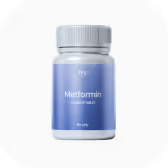
Metformin
Metformin is an oral medication commonly used for type 2 diabetes and insulin resistance. It is usually far less expensive than GLP-1 medications, but weight loss is typically more modest.
For some people, especially those with insulin resistance, PCOS, or type 2 diabetes, metformin may be part of a broader plan. For others, it may not offer enough appetite support or weight-loss effect.
A licensed clinician can help compare your options based on your labs, goals, side effect tolerance, and budget. Check out semaglutide vs metformin to prepare for that conversation.
How to Get Started with Semaglutide for Weight Loss
Starting semaglutide requires a clinical pathway. A licensed clinician should review your eligibility, explain the form and dose, and help you understand what to expect before your first dose.
Step 1: Check whether you may qualify
A clinician usually reviews BMI, weight-related health conditions, medications, medical history, and pregnancy plans. Wegovy® is indicated for adults with obesity or adults with overweight and at least one weight-related condition, when used with diet and physical activity.
You should also disclose any history of pancreatitis, gallbladder disease, kidney problems, diabetic retinopathy, thyroid cancer, MEN2, or severe GI issues. These details help your clinician decide whether semaglutide is appropriate and thus improve your odds of getting approved for semaglutide.
Step 2: Choose a prescription route
You can access semaglutide through an in-person clinician, specialist, or licensed telehealth care pathway. The safest route is one that includes medical review, clear dosing instructions, pharmacy dispensing, and follow-up support.
If insurance is difficult or unavailable, compare the full monthly cost before starting. Include clinician visits, medication, supplies, shipping, and refills. Check out the cheapest semaglutide without insurance to better understand your options.
Step 3: Start low and follow the dosing plan
Semaglutide is usually started at a low dose and increased gradually to improve tolerability. Do not increase faster than prescribed, even if you want faster results.
For Wegovy® injections, dosing is typically weekly and the medication is injected subcutaneously into fatty tissue under the skin, not muscle. For Wegovy® tablets and other oral semaglutide forms, the timing and administration instructions are different, so follow the label or prescription directions exactly.
Your clinician or pharmacy team should explain the steps clearly before your first dose. You can also learn more about how to inject semaglutide step-by-step.
Start Your Weight Loss Journey with Ivy Rx
If the traditional path to a prescription for semaglutide feels out of reach because of cost, insurance, or appointment delays, Ivy Rx gives patients a prescription-based way to explore GLP-1 treatment online.
The process is straightforward: complete an online intake, receive licensed clinician review, and, if prescribed, get medication through licensed pharmacy dispensing with follow-up support.
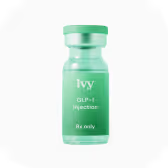
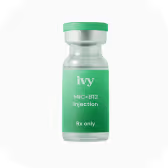
Explore Compounded GLP-1 injections today.
FAQs
How quickly does semaglutide work for weight loss?
Usually, appetite changes can begin within the first few weeks, but visible weight loss often builds over months as the dose increases and habits adjust.
Is semaglutide safe for long-term weight loss?
Sometimes. Semaglutide can be used long term when appropriate, but safety depends on your health history, side effects, and clinician monitoring.
Can you get semaglutide without insurance?
Yes. Some telehealth care pathways offer self-pay GLP-1 options. You still need clinician review, a prescription if appropriate, and legitimate pharmacy dispensing.
What is the difference between semaglutide and Ozempic®?
Semaglutide is the active ingredient. Ozempic® is one brand of semaglutide approved for type 2 diabetes-related uses, while Wegovy® is approved for chronic weight management.
Do you regain weight after stopping semaglutide?
Often, some regain occurs. In the STEP 1 extension, participants regained about two-thirds of prior weight loss during one year off treatment. Ongoing habits and clinician guidance are important.
Disclaimer: Clinical trial figures, prescribing-label details, medication indications, eligibility guidance, side effect information, access pathways, and treatment expectations in this article were curated in August 2026 and may change. Trial averages do not guarantee individual results. Always confirm current prescribing information, eligibility requirements, medication availability, pharmacy details, dosing instructions, and program terms with a licensed clinician before starting treatment.


Ivy RX patients
Members of Ivy RX branded medications were paid for their testimonials.
Related
Resources

Complete Guide to Semaglutide Dosage For Weight Loss: Dosage Schedule & Adjustments (+Chart)
Ensure proper semaglutide usage with our dosage chart, adjustment tips, and helpful advice on what to do when you miss a dose.
Semaglutide vs Tirzepatide for Weight Loss: Pros, Cons, and Side Effects
Semaglutide vs Tirzepatide: Which one offers the best weight loss results? Explore key differences in side effects, cost, and effectiveness.

How to Keep Weight Off After Semaglutide (Proven Tips)
Worried about weight regain after semaglutide? Learn proven strategies to maintain your results, control appetite, and avoid rebound weight gain.