











.avif)






Article Outline
Start your personalized GLP-1 program


Switching From Wegovy® to Mounjaro® Safely in 5 Easy Steps
Switching from Wegovy® to Mounjaro® can make sense when your progress has stalled, side effects are difficult to manage, or your treatment needs have changed. But these medications are not dose-for-dose equivalents, so switching safely takes more than replacing one weekly injection with another.
Below, we’ll explain how the transition works, why people consider it, and the steps to discuss with your prescriber.
Can You Switch From Wegovy® to Mounjaro®?
Yes. A prescriber can switch you from Wegovy® to Mounjaro® if tirzepatide is appropriate for your health history and treatment goals.
There is no FDA-approved conversion chart between semaglutide and tirzepatide, and the current Mounjaro® label does not provide a specific Wegovy®-to-Mounjaro® switching schedule. For weekly medications, published clinical guidance commonly starts the new weekly medication around 7 days after the previous one, provided side effects are controlled.
The labeled starting dose of Mounjaro® is 2.5 mg once weekly for 4 weeks before increasing to 5 mg. Do not choose a starting dose based on your Wegovy® dose alone.
Wegovy® to Mounjaro®: Key facts
For a broader look at the transition, see our guide to switching from semaglutide to tirzepatide or switching between GLP-1 agonists.
Why People Switch From Wegovy® to Mounjaro®
People may consider switching because their weight-loss response has slowed, side effects are affecting treatment, or their access and medical needs have changed. A switch is worth discussing with your clinician rather than assuming that a different medication will automatically work better.
Weight loss has slowed or plateaued. Weight loss is rarely linear, and a semaglutide plateau does not automatically mean Wegovy® has stopped working. If your weight has remained stable for an extended period despite taking an appropriate dose consistently, your clinician can review whether your dose, nutrition, activity, medical history, or medication choice needs adjusting.
There is good evidence that tirzepatide can produce greater average weight loss than standard-dose semaglutide in some populations. In the 72-week SURMOUNT-5 study, adults with obesity but without type 2 diabetes lost an average of 20.2% of their starting weight with maximum tolerated tirzepatide versus 13.7% with semaglutide.
Those figures do not predict what you will lose after switching. SURMOUNT-5 studied tirzepatide 10 or 15 mg against semaglutide 1.7 or 2.4 mg, and it did not evaluate the newer 7.2 mg Wegovy® dose.
Side effects are difficult to manage. Wegovy® and Mounjaro® can both cause nausea, diarrhea, vomiting, constipation, and other gastrointestinal effects. Some people may tolerate one medication better than the other, but switching does not guarantee fewer side effects.
If digestive symptoms are the reason you want to switch, discuss them before your final dose. Your clinician may want symptoms to settle before introducing another incretin medication rather than following a fixed seven-day timeline. You can also review ways to manage semaglutide side effects.
Your coverage, access, or treatment needs have changed. Insurance formularies and prescription coverage can change, and diabetes status can affect which branded medication is clinically appropriate and covered. Mounjaro® is approved for type 2 diabetes, while Zepbound® is the tirzepatide product approved for chronic weight management.
Wegovy® and Mounjaro® at a Glance
Wegovy® and Mounjaro® are both incretin-based medications, but they contain different active ingredients and have different FDA-approved uses.
The trial results above compare the active ingredients at specific study doses, rather than every currently available Wegovy® and tirzepatide dose. They should help frame the evidence, not set an expectation for your individual results.
For more detail, check out Wegovy® vs Mounjaro®, semaglutide vs tirzepatide for weight loss, or see the current Wegovy® dosage chart.
How to Switch From Wegovy® to Mounjaro® Safely
A safe switch starts with your prescriber reviewing why you want to change medications, then planning when Wegovy® ends and Mounjaro® begins. Do not overlap the medications or estimate an equivalent dose yourself.
The five-step process below gives you a framework for what to expect. Your actual schedule can differ based on your current dose, side effects, other medications, blood sugar levels, and medical history.
Step 1: Review the Switch With Your Prescriber
Start by telling your prescriber why you want to switch and what your experience with Wegovy® has been.
They will typically want to know your current Wegovy® formulation and dose, how long you have taken it, your weight-loss or blood sugar response, and any side effects. If you take insulin, a sulfonylurea, or other diabetes medication, that is especially important because Mounjaro® can increase the risk of hypoglycemia when combined with medications that lower blood sugar.
Your health history needs reviewing too. Both medications carry contraindications and warnings that can affect whether treatment is appropriate, including a personal or family history of medullary thyroid carcinoma or multiple endocrine neoplasia syndrome type 2.
This is also the point to confirm whether Mounjaro® is actually the appropriate tirzepatide product for you. If your treatment goal is weight management rather than type 2 diabetes, your prescriber may discuss Zepbound®, which contains the same active ingredient and is FDA-approved for chronic weight management.
Step 2: Plan Your Last Wegovy® Dose and First Mounjaro® Dose
If you use once-weekly Wegovy® injections and are tolerating treatment, a common clinical approach is to take your final Wegovy® dose and begin the new weekly medication around 7 days later, when your next injection would ordinarily be due.
That timing comes from practical switching guidance from the American Diabetes Association®, rather than a Wegovy® or Mounjaro® FDA instruction. There is no labeled requirement for a specific Wegovy®-to-Mounjaro® washout period.
If you are switching because of persistent nausea, vomiting, diarrhea, or another adverse effect, your prescriber may instead wait until those symptoms improve before starting tirzepatide.
Do not take Wegovy® and Mounjaro® together. The current Wegovy® label recommends against using Wegovy® with another GLP-1 receptor agonist. Follow your clinician’s transition schedule rather than overlapping the medications.
Step 3: Start Mounjaro® at the Dose Your Prescriber Recommends
Take your first Mounjaro® dose according to the schedule your clinician gives you. The FDA-approved Mounjaro® label starts treatment at 2.5 mg once weekly for 4 weeks before increasing to 5 mg.
Mounjaro® is injected subcutaneously, which means into the fatty tissue under the skin. You can inject it into your abdomen or thigh, or have someone inject the back of your upper arm. Rotate injection sites each week.
If self-injection feels unfamiliar, review Ivy Rx’s Mounjaro® self-administration guide before your first dose and follow the instructions that come with your prescribed device. You can take Mounjaro® at any time of day, with or without food. Choose a day you can follow consistently.
One detail is easy to miss: tirzepatide can temporarily reduce the effectiveness of oral hormonal birth control. If you use oral contraceptives, the prescribing information recommends switching to a non-oral contraceptive or adding a barrier method for 4 weeks after starting Mounjaro® and for 4 weeks after each dose increase. Talk with your prescriber about what is appropriate for you.
Step 4: Monitor Side Effects and Your Response
Pay attention to how you feel after the switch rather than judging the medication by weight alone.
Common Mounjaro® side effects include nausea, diarrhea, decreased appetite, vomiting, constipation, indigestion, and abdominal pain. Digestive symptoms are especially common while the dose is being increased and often ease over time.
If you have type 2 diabetes, your clinician may also ask you to monitor your blood sugar more closely after switching. The risk of low blood sugar is higher when Mounjaro® is combined with insulin or medicines such as sulfonylureas, so those treatments may need reviewing.
Contact your clinician if side effects are persistent or difficult to manage. Seek prompt medical attention for severe or persistent abdominal pain, repeated vomiting, signs of serious dehydration, or symptoms of a severe allergic reaction.
Keeping a simple record of your appetite, side effects, blood sugar if relevant, and weekly dose can make your follow-up much more useful.
Step 5: Follow Up Before Increasing Your Dose
Do not increase Mounjaro® simply because you tolerated Wegovy® at a higher dose.
The standard Mounjaro® schedule keeps you at 2.5 mg for the first 4 weeks before moving to 5 mg. Further increases happen in 2.5 mg steps and only after at least 4 weeks at the current dose.
Your clinician will decide whether another increase makes sense based on your blood sugar response, treatment goals, side effects, and overall tolerance. If nausea or other digestive symptoms are still significant, increasing faster is unlikely to help.
This follow-up is also a good time to review whether Mounjaro® remains the right treatment for your indication. If weight management is your primary goal and you do not have type 2 diabetes, your clinician may discuss Zepbound®, the tirzepatide product FDA-approved for chronic weight management.
What to Expect After Switching
Your first few weeks on Mounjaro® may feel different from your final weeks on Wegovy®. Both affect appetite and digestion, but tirzepatide acts on GIP and GLP-1 receptors, while semaglutide acts on GLP-1 receptors alone.
You may experience nausea, diarrhea, constipation, reduced appetite, or other digestive changes as your body adjusts. These symptoms are commonly reported during Mounjaro® dose escalation and often decrease over time.
Stopping Wegovy® is not generally associated with a classic drug-withdrawal syndrome, but semaglutide’s effects wear off gradually after the final dose. In the STEP 1 extension study, participants who discontinued semaglutide regained some of their prior weight over the following year, and many cardiometabolic improvements moved back toward baseline.
You may therefore notice changes in hunger or appetite during the transition rather than an immediate, perfectly seamless handoff.
Read more about Mounjaro® side effects and managing tirzepatide side effects.
Mounjaro® Dosing After Wegovy®
There is no direct Wegovy®-to-Mounjaro® dose conversion. A higher Wegovy® dose does not automatically translate into a higher starting dose of Mounjaro®.
The FDA-approved Mounjaro® dosing schedule for adults is:
The 2.5 mg dose is specifically intended for treatment initiation and is not considered a dose for glycemic control. Your prescriber sets the final plan, particularly when you are switching from another incretin medication.
Do not use a Mounjaro® conversion chart to change doses on your own. You can also review the full tirzepatide dosage chart to understand how titration works.
Cost and Insurance When You Switch
Mounjaro® coverage depends heavily on your diagnosis and insurance plan. Because Mounjaro® is FDA-approved for type 2 diabetes, insurers may require confirmation of that diagnosis, prior authorization, or other plan-specific criteria.
If you are using tirzepatide primarily for weight management, coverage can work differently because Zepbound® is the tirzepatide brand specifically approved for chronic weight management.
Without insurance or savings, Lilly currently lists the price of a 28-day supply of Mounjaro® at $1,112.16, although the amount charged by a pharmacy can differ.
Eligible people with commercial insurance and Mounjaro® coverage may pay as little as $25 for up to a 3-month prescription through Lilly's current savings program. Eligible commercially insured patients whose plans do not cover Mounjaro® may pay as little as $499 for a one-month fill. These offers require a prescription for an FDA-approved use, have eligibility rules and savings limits, and currently run through December 31, 2026.
For people who prefer a self-pay route, Ivy Rx offers brand-name Mounjaro® without insurance. The current price is $1,399 as of September 2026, with no hidden membership cost, the same price at every prescribed dose, clinician review, 24/7 support, and free expedited delivery.
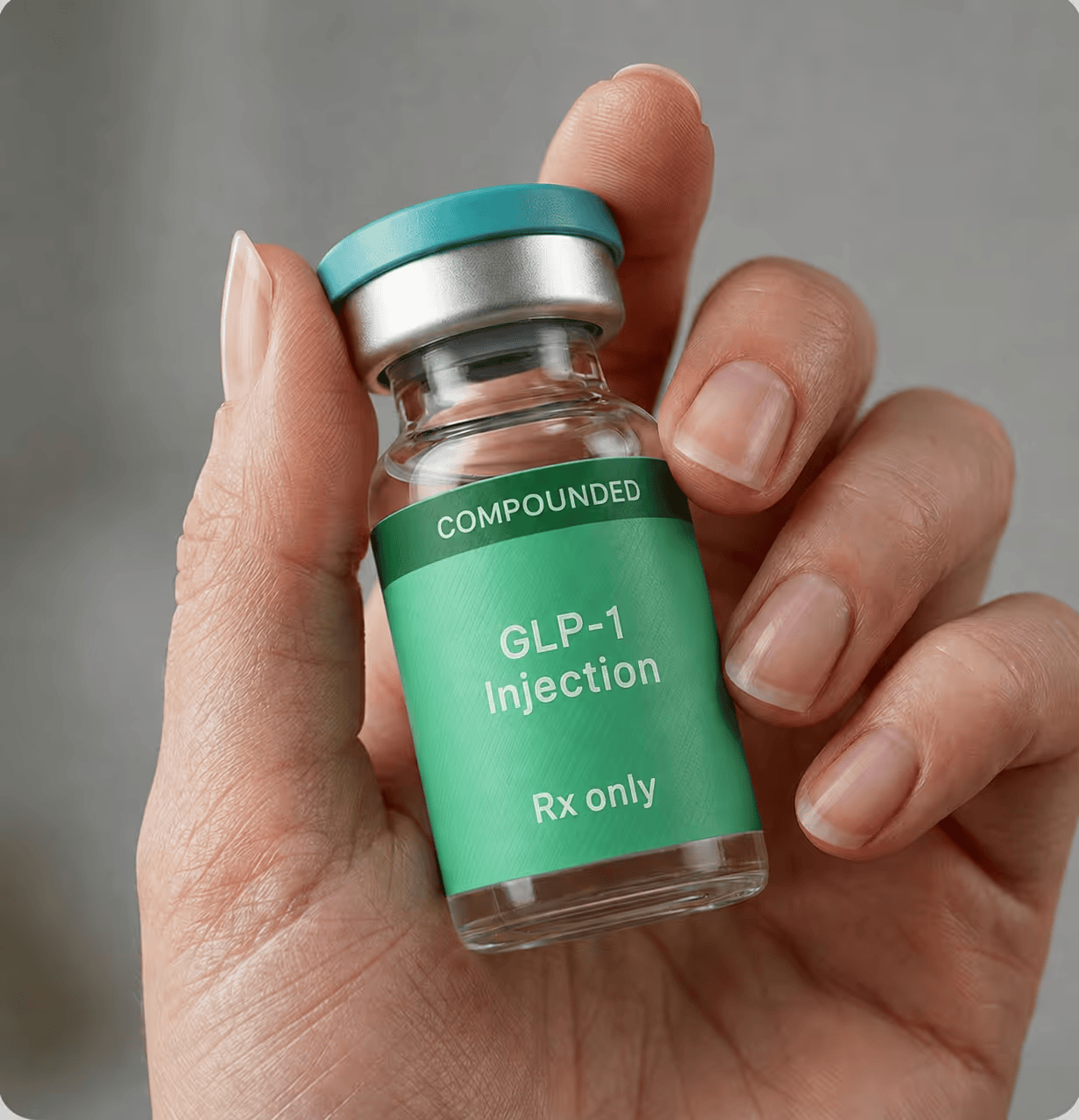
If brand-name medication does not fit your budget or treatment plan, Ivy Rx also offers Compounded GLP-1 Injections for eligible patients with no insurance requirements and transparent pricing. Ivy Rx’s Rate Lock Guarantee keeps your price (currently starting from $77 for four doses/month) the same across prescribed dose titrations. Its compounded GLP-1 medication is made in the USA through licensed pharmacy partners and delivered directly to your door.
Compounded formulations are not FDA-approved, so a licensed clinician determines whether they are appropriate based on your health history and treatment goals.
Switch to Mounjaro® With Guidance From Ivy Rx
Switching GLP-1 medications should begin with the right clinical plan, especially when the medications use different active ingredients and there is no direct dose conversion.
With Ivy Rx, you can complete your health assessment online and have your information reviewed by a licensed clinician. If Mounjaro® is appropriate and prescribed, your treatment includes dosing guidance, temperature-controlled home delivery, and ongoing access to your care team through secure messaging.
Ready to explore your options? Start with Mounjaro®, compare our weight loss treatments, or fill out your five-minute online intake to find out which treatment may fit your needs.
FAQs
Can switching from Wegovy® to Mounjaro® cause low blood sugar?
Sometimes. The risk is higher if you also take insulin or a sulfonylurea. Your clinician may need to adjust those medications.
Does Mounjaro® affect birth control pills?
Yes. Oral hormonal contraceptives may be less effective for 4 weeks after starting Mounjaro® and for 4 weeks after each dose increase.
Can you change your Mounjaro® injection day?
Yes. You can change the day as long as at least 72 hours separate two Mounjaro® doses.
What happens if you miss a Mounjaro® dose?
It depends. Take it within 4 days if possible. After 4 days, skip it and take your next dose on the usual day.
Can you switch back to Wegovy® if Mounjaro® does not suit you?
Sometimes. Your prescriber can reassess your response and decide whether switching back or choosing another treatment is appropriate.
Disclaimer:Pricing, savings programs, and product availability were verified in September 2026 and may change. Eligibility, prescription choice, dosing, and treatment changes require review by a licensed clinician. Switching medications is based on specific, personal considerations. The guidance and FAQs in this article are for informational purposes only and do not replace medical advice.

%25201.avif)

Ivy RX patients
Members of Ivy RX branded medications were paid for their testimonials.
- https://www.accessdata.fda.gov/drugsatfda_docs/label/2026/215866Orig1s052lbl.pdf
- https://www.accessdata.fda.gov/drugsatfda_docs/label/2026/218316s007lbl.pdf
- https://diabetesjournals.org/clinical/article/41/3/467/148676/Special-Report-Potential-Strategies-for-Addressing
- https://www.nejm.org/doi/10.1056/NEJMoa2416394
- https://pubmed.ncbi.nlm.nih.gov/35441470/
Related
Resources

Switching from Semaglutide to Tirzepatide: A 2026 Step-by-Step Guide to Doing it Safely
Switching from semaglutide to tirzepatide is a big decision for you and your doctor to make together. Tirzepatide is a new medicine that works s...
.png)
Wegovy vs Mounjaro: 9 Key Differences To Know (2026)
Deciding between Wegovy vs Mounjaro? Learn about the costs, side-effects, effectiveness, and more in our in-depth comparison.

Tirzepatide vs Wegovy® for Weight Loss 7 Key Differences
Choosing between tirzepatide vs wegovy? Learn about the difference in price, insurance coverage, effectiveness, and more.