













.avif)





Article Outline
Start your personalized GLP-1 program


Victoza Side Effects: Common & Serious Cases + How to Fix
Don’t let Victoza side effects catch you off guard. Most of them are mild, temporary, and very manageable once you know what to expect. But some are rare and require immediate medical attention.
This article helps you identify common and serious Victoza side effects, explains why they happen, and gives you practical ways to feel better faster.
What Is Victoza?
Victoza is a brand-name prescription injection for weight loss and blood sugar control. Its active ingredient is liraglutide, a GLP-1 receptor agonist that mimics a natural gut hormone involved in appetite and insulin regulation.
The FDA approved Victoza to treat type 2 diabetes in adults and children aged 10 and older. It’s also approved to reduce the risk of serious cardiovascular events in adults with type 2 diabetes and heart disease.
Unlike weekly GLP-1 injections, Victoza is a daily subcutaneous shot. You administer it into the fat layer beneath your skin, typically in the abdomen, thigh, or upper arm. The procedure is easy and often painless.
What Are the Most Common Victoza Side Effects?
Most Victoza side effects are digestive. They usually show up in the first 1 to 2 weeks and settle down as your body adjusts.
In clinical trials, these reactions occurred in more than 5% of patients.
1. Nausea
This side effect happens because liraglutide slows stomach emptying, which leaves food sitting longer than your body expects.
The worst of it usually hits during the first week. Eating smaller meals, avoiding greasy foods, and sticking to bland options like toast or rice may help.
For most people, nausea fades within 2 to 3 weeks without needing to stop treatment. But if it persists, consider our anti-nausea tablet to ease this feeling.
2. Diarrhea
Gut motility shifts as liraglutide changes how quickly food moves through your tract.
If you experience this, stay hydrated. Because loose stools may lead to fluid and electrolyte loss, especially in the first few weeks.
If diarrhea is persistent or severe, check in with your provider. They may slow your dose increase or adjust your treatment plan.
3. Vomiting
Like nausea, you may experience vomiting early in treatment or after a dose increase.
Avoid large meals and eat slowly. If vomiting is frequent or severe, don’t push through it.
Contact your provider, because persistent vomiting may lead to dehydration and could signal something more serious, like pancreatitis.
4. Constipation
About 19% of patients experienced constipation. Slower stomach emptying does not just affect the upper GI tract. It may slow your entire digestive system.
Fiber-rich foods, plenty of water, and regular movement may limit the occurrence of this effect.
If constipation becomes uncomfortable, your provider may suggest a gentle over-the-counter option.
5. Decreased Appetite
Victoza suppresses hunger signals. That is part of how it supports blood sugar control and weight management. But for some people, the drop in appetite feels more intense than expected.
Even when you don’t feel hungry, your body still needs fuel. Focus on nutrient-dense foods like lean protein, vegetables, and whole grains.
Skipping meals regularly may leave you fatigued and low on energy.
6. Headache
Headache was one of the most commonly reported side effects in Victoza trials. It may appear during the first week and resolve on its own.
But over-the-counter pain relief options like ibuprofen or acetaminophen may help.
Always check with your provider before combining any pain medication with your current treatment.
7. Indigestion
Some users report a burning or uncomfortable feeling in the upper stomach after eating. This is related to slowed digestion and changes in stomach acid activity.
Eating smaller portions, avoiding spicy or acidic foods, and staying upright for at least 2 hours after a meal may reduce symptoms.
Serious Victoza Side Effects to Watch For
Knowing the difference between a mild adjustment reaction and something that needs urgent attention may protect your health.
1. Pancreatitis
Acute pancreatitis occurred in about 0.3% of liraglutide-treated patients in clinical trials. It is rare, but it’s serious.
The hallmark symptom is severe abdominal pain that doesn’t go away, often radiating to the back. It may come with vomiting or fever.
If you experience this, stop taking Victoza and seek emergency care immediately.
People with a history of pancreatitis, high triglycerides, or heavy alcohol use face a higher risk.
Discuss these factors with your provider before starting treatment. Post-marketing reports have also documented necrotizing pancreatitis in rare cases.
2. Thyroid Tumors (Boxed Warning)
Victoza carries an FDA boxed warning for thyroid C-cell tumors. In animal studies, liraglutide caused thyroid tumors, including cancer, in rats and mice. Whether this risk applies to humans is still unknown.
Watch for a lump or swelling in your neck, difficulty swallowing, or persistent hoarseness.
And if you or a family member has a history of medullary thyroid carcinoma (MTC) or Multiple Endocrine Neoplasia syndrome type 2 (MEN 2), Victoza is not recommended.
Review Ivy Rx's safety information for more details on GLP-1 precautions.
3. Gallbladder Problems
Acute gallbladder symptoms include intense upper abdominal pain after eating, nausea, bloating, and pale-colored stools.
If these appear, your provider may order imaging to check for gallstones or inflammation.
4. Kidney Problems
Kidney problems have been reported in some patients, often linked to dehydration from severe vomiting or diarrhea.
Signs include reduced urination, swelling in the feet or ankles, and unusual fatigue.
People with existing kidney conditions should be monitored closely. Staying hydrated is the simplest way to protect against this.
Learn more about GLP-1 side effect management through lower-dose approaches.
5. Severe Allergic Reactions
Allergic reactions to Victoza are uncommon but possible. Symptoms include swelling of the face, lips, or throat, difficulty breathing, severe rash, or rapid heartbeat.
If you notice any of these signs, stop taking Victoza and get emergency medical help right away.
Let your provider know if you have a history of reactions to other GLP-1 medications.
How to Manage Victoza Side Effects
Most Victoza side effects respond well to diet changes and healthy habits.
You don’t need to overhaul your life. A few targeted adjustments may make the difference between quitting treatment and staying the course.
1. Eat Smaller, More Frequent Meals
Split your food into 4 to 5 smaller portions throughout the day. Stop eating the moment you feel full. This alone may reduce nausea, bloating, and vomiting significantly.
2. Stay Hydrated and Choose Gentle Foods
Sip at least 8 glasses of water daily.
During the first few weeks, lean toward bland foods like rice, bananas, and broth. Follow our GLP-1 diet schedule to ease digestive discomfort as your body adjusts.
3. Follow the Gradual Dose Schedule
Victoza dose starts at 0.6 mg daily, then increases to 1.2 mg or 1.8 mg. Rushing this timeline may trigger a stronger side effect.

If symptoms spike after an increase, your provider may hold the dose. Microdosing GLP-1 is another option designed to ease the transition.
When to Call a Doctor About Victoza Side Effects
Most side effects are mild and fade on their own. But some symptoms deserve immediate attention.
Call your provider right away if you experience severe abdominal pain that does not go away, especially if it radiates to your back.
Persistent vomiting or diarrhea that lasts more than a few days may lead to dangerous dehydration.
A lump in your neck, trouble swallowing, or hoarseness could signal a thyroid issue. Swelling of your face, lips, or tongue, or difficulty breathing, may indicate a serious allergic reaction.
When in doubt, always reach out to your doctor. Even if you’re wrong about the symptoms. A quick call to your provider is always better than waiting and hoping a severe symptom resolves on its own.
Manage Your Weight Loss Journey Better with a Personalized Plan from Ivy Rx
Some Victoza side effects may feel different when you have someone in your corner.
A provider who adjusts your dose, answers your questions, and checks in as your body adapts turns guesswork into guided care.
Ivy Rx provides medical evaluation, ongoing dosing guidance, and nutritional support built around how your body actually responds to treatment.
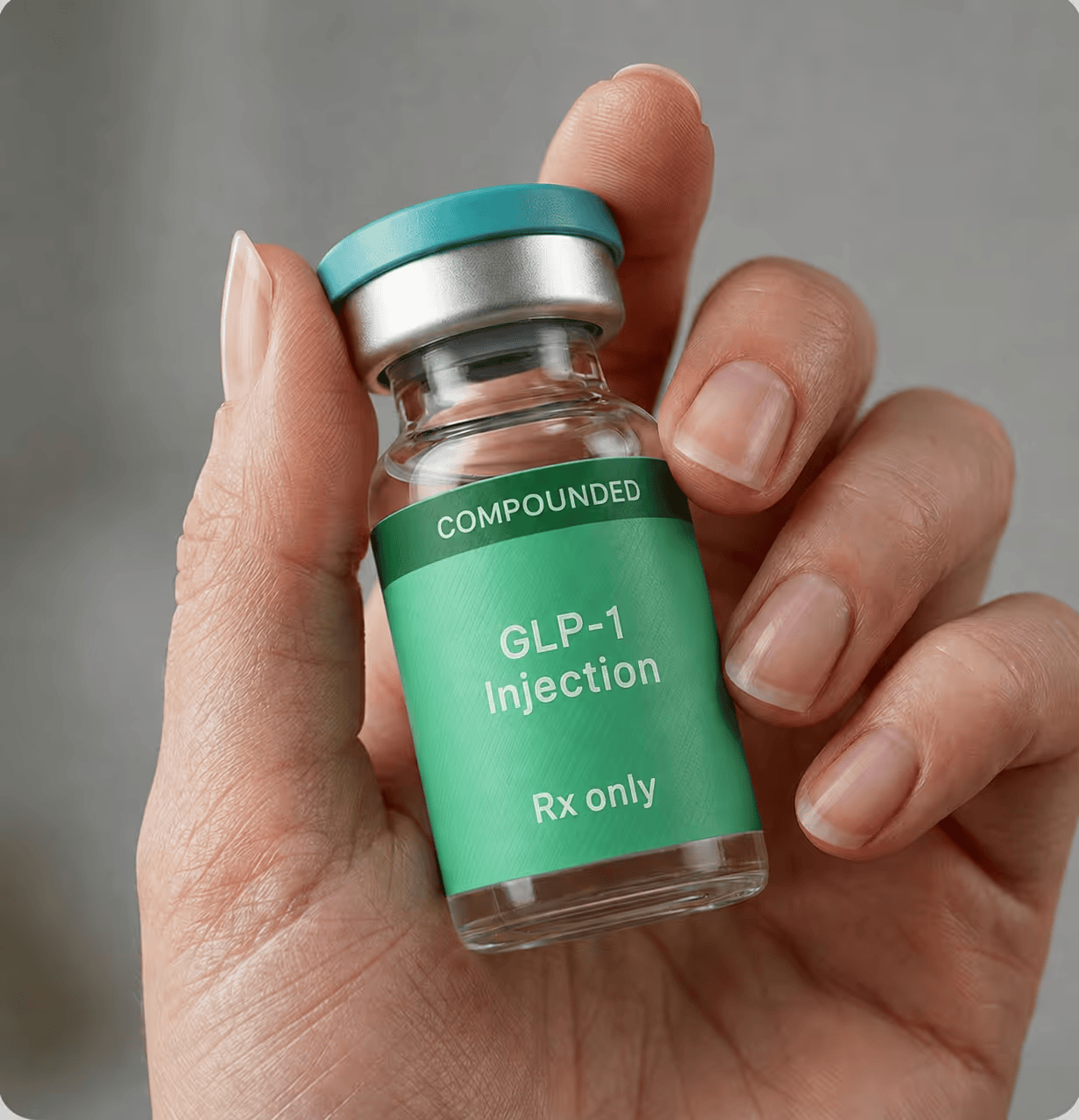
Our personalized GLP-1 injections start at $175 per month with medication delivered to your door.
Start your personalized weight loss plan with Ivy Rx.

%25201.avif)

Ivy RX patients
Members of Ivy RX branded medications were paid for their testimonials.
- https://www.accessdata.fda.gov/drugsatfda_docs/label/2022/022341s037s038lbl.pdf. Accessed 2nd of May, 2026.
- Javed H, Kogilathota Jagirdhar GS, Kashyap R, Vekaria PH. Liraglutide-Induced Pancreatitis: A Case Report and Literature Review. Cureus. 2023 Apr 28;15(4):e38263. https://pmc.ncbi.nlm.nih.gov/articles/PMC10225244/. doi: 10.7759/cureus.38263.
Related
Resources
.avif)
Victoza vs Ozempic: Differences, Price, & How to Choose
Deciding between Victoza vs Ozempic? Learn about the costs, side-effects, effectiveness, and more in our in-depth comparison.
.png)
How to Get Victoza: Everything You Need To Know (2026)
Learn how to get Victoza safely, including eligibility, prescriptions, online options, and alternatives to Victoza.

Liraglutide vs. Semaglutide: Cost, Side Effects & Results
Choosing between semaglutide and liraglutide? Compare their weight loss benefits, costs, and side effects to see which medication offers better results.