








.avif)




Article Outline
Start your personalized GLP-1 program


How to Get Off Semaglutide Safely & Manage Weight After
If you are searching for how to get off semaglutide, the real worry is probably not the last injection. It is what happens after: hunger returning, cravings getting louder, and the weight coming back.
The good news is that you can come off semaglutide safely. The better plan is to do it with a licensed clinician, taper gradually when appropriate, and use the transition period to lock in the habits that help you maintain your results.
This guide covers whether you can stop cold turkey, what happens after stopping, how tapering usually works, and when a lower maintenance dose may make more sense than quitting outright.
Can You Just Stop Semaglutide (Cold Turkey)?
Yes, some people can stop semaglutide cold turkey, but it is usually not the best weight-maintenance strategy.
Semaglutide does not typically cause classic withdrawal symptoms in the way some medications can. The bigger issue is that the effects you were relying on start to fade. Appetite can return, fullness may drop, cravings can increase, and people with type 2 diabetes may see blood sugar rise after stopping.
So the question is less “Can you stop?” and more “What is the safest plan for your body after you stop?”
A licensed clinician may tell you to stop outright if you are having side effects, preparing for a procedure, planning pregnancy, or switching medications. But for planned discontinuation, many clinicians prefer a gradual taper because it gives you time to adjust food, activity, sleep, and support before the medication effect is gone.
For a deeper look at symptoms after stopping, read more about semaglutide withdrawal symptoms and how long semaglutide stays in your system.
What Happens When You Stop Semaglutide?
When you stop semaglutide, the medication leaves your body slowly. The Wegovy® prescribing label says semaglutide has an elimination half-life of about 1 week and can remain in circulation for about 5 to 7 weeks after the last injectable dose.
That slow clearance is helpful because the change is not instant. But as levels fall, the GLP-1 effects also fade. Hunger signals may return, digestion may speed up, and the smaller portions that felt natural on semaglutide may feel harder to maintain.
Here is a realistic timeline:
The weight regain risk is real. In the STEP 1 extension study, participants who stopped weekly semaglutide 2.4 mg and lifestyle intervention regained a mean of about two-thirds of their prior weight loss within one year.
That does not mean everyone regains the same amount. Some people maintain well, especially with strong habits and support. Others regain quickly because hunger returns before their routine is ready.
There is also a biological reason this can happen. When semaglutide is working, it helps reduce appetite and calorie intake. When it is removed, the body may push back toward its previous weight through appetite, metabolism, cravings, and old eating patterns. That is why stopping should be treated as a transition plan, not simply the end of treatment.
If your hunger has already started changing, these guides on why you are still hungry on semaglutide and semaglutide not working can help you understand what to track before your next clinician check-in.
How to Get Off Semaglutide Step by Step
There is no one official semaglutide tapering protocol. The safest plan depends on your current dose, why you are stopping, your blood sugar history, side effects, weight trend, pregnancy plans, surgery plans, and whether you are switching to another medication.
A common clinician-guided approach is to step down gradually rather than stopping from the highest dose. For example, someone on a higher weekly dose may move to the next lower dose for 4 to 8 weeks, reassess hunger and weight, then step down again if stable.
Early real-world tapering reports suggest that slower transitions may help some patients maintain weight loss, especially when paired with structured behavior support. But this is not a universal rule. Your taper should be individualized.
Step 1: Talk to Your Clinician Before Changing the Dose
Start with the person managing your prescription. Tell them why you want to stop, how much weight you have lost, what dose you are on, what side effects you have had, and whether you have diabetes, pregnancy plans, surgery plans, or other medications that affect appetite or blood sugar.
This is especially important if you are taking semaglutide for type 2 diabetes. Stopping can affect glucose control, so your clinician may want to monitor blood sugar or adjust another medication.
Your clinician can also help decide whether stopping is the right goal. Some people are ready to come off completely. Others do better with a lower maintenance dose, a slower taper, or a switch to a different treatment.
Before the visit, review your current semaglutide dosage, your side effects, and your weight trend over the last 8 to 12 weeks.
Step 2: Decide Why You Are Stopping
The reason you are stopping should shape the plan.
If cost is the issue, your clinician may discuss a lower dose, different access route, or longer-term maintenance option. If side effects are the issue, the plan may involve holding the dose, stepping down, pausing, or switching. If you have reached your goal weight, the focus becomes maintenance.
Here are the most common scenarios:
Do not treat all of these as the same problem. A person stopping because of nausea needs a different plan than a person stopping because they reached goal weight and feels stable.
Step 3: Step Down Gradually When Appropriate
A taper usually means lowering the dose in stages instead of stopping from the top dose.
For example, a clinician may move you from a higher dose to the next lower dose for several weeks, then reassess. If hunger and weight stay stable, you may step down again. If appetite rebounds quickly, your clinician may hold the lower dose longer or discuss maintenance treatment.
The point is not to stay on medication forever by default. The point is to avoid a sharp transition that leaves you hungry, unprepared, and more likely to regain.
A slower taper may also help you learn what level of support your body needs. If you stay stable at a lower dose, that tells your clinician something useful. If hunger returns quickly even with strong habits, that is useful too.
For people coming down from higher doses, this guide on the maximum dose of semaglutide can help you understand where your current dose sits before discussing changes.
Step 4: Track Appetite, Weight, and Blood Sugar
Do not rely only on the scale during a taper. Weight can bounce because of fluid, constipation, menstrual cycles, travel, salt intake, or normal variation.
Track a few signals together:
- Morning hunger
- Evening snacking
- Cravings or “food noise”
- Portion size
- Weight trend over 2 to 4 weeks
- Waist measurement
- Energy and mood
- Constipation, nausea, reflux, or vomiting
- Blood sugar, if you have diabetes or were told to monitor it
This helps you catch rebound early. If your appetite jumps in week 3 but your weight has not changed yet, that is the time to adjust meals, protein, activity, or follow-up. Waiting until regain is already large makes the process harder.
A simple rule: if hunger rises for more than 1 to 2 weeks, or if weight starts trending up quickly, schedule a check-in rather than trying to push through alone.
Step 5: Build the Maintenance Plan Before Your Last Dose
The last dose should not be the first day of your maintenance plan. By then, you want the basics already in place.
Before stopping fully, make sure you have answers to these questions:
- What will breakfast look like on busy days?
- How much protein are you aiming for?
- What meals tend to trigger overeating?
- What is your minimum weekly activity plan?
- How will you handle evening cravings?
- How often will you weigh or measure progress?
- When should you contact your clinician?
- What is the backup plan if weight regain starts?
This is also the time to discuss whether stopping fully is the right endpoint. For some people, a lower maintenance dose or microdose approach may be more realistic than stopping completely, especially if they have regained weight after stopping before.
That decision should be clinician-guided and based on your history, response, side effects, budget, and goals.
How to Keep the Weight Off After Semaglutide
Keeping weight off after semaglutide is easier when you treat maintenance as its own phase, not as a test of willpower. Appetite may return, so the goal is to build a routine that still works when fullness feels less automatic.
Use this checklist as your starting point:
Tip 1: Make Protein the Anchor of Each Meal
When appetite comes back, protein helps meals feel steadier. It also supports lean mass while your body adjusts to lower medication levels.
You do not need a perfect diet. Start with one reliable protein at breakfast, lunch, and dinner. Eggs, Greek yogurt, tofu, lentils, beans, fish, chicken, turkey, cottage cheese, protein shakes, or tempeh can all work depending on your preferences.
A simple maintenance plate is protein first, then high-fiber carbs, then fats you tolerate well. If you stop semaglutide and return to mostly snack-style eating, hunger can feel harder to manage.
For a more detailed food framework, use this semaglutide diet plan as a starting point.
Tip 2: Build a Minimum Movement Plan
Exercise does not need to be extreme to help with maintenance. The goal is consistency.
A realistic starting plan might be:
- 30 minutes of brisk walking 5 days per week
- 2 short strength sessions per week
- 5 to 10 minutes of movement after meals when possible
- More steps on weekends if weekdays are busy
Strength training is especially useful because weight loss can reduce both fat and lean mass. Keeping muscle gives your body more support as you move into maintenance.
If you have joint pain, dizziness, fatigue, or a medical condition, ask a clinician before increasing activity. The best plan is one you can repeat without flaring symptoms.
Tip 3: Plan for Hunger Before It Peaks
Many people regain weight after stopping semaglutide because they wait until hunger is already loud before making a plan.
Prepare for your most likely trouble spots:
This is not about strict control. It is about reducing the number of decisions you have to make when appetite is back.
For more maintenance support, read how to keep weight off after semaglutide.
Tip 4: Watch the Trend, Not One Weigh-In
Your weight may bounce after stopping semaglutide. A single higher weigh-in does not mean you failed.
Look at the trend over 2 to 4 weeks. Also track hunger, waist measurement, strength, energy, digestion, and whether your clothes fit differently. If weight is rising quickly and appetite feels harder to manage, that is useful information to bring to your clinician.
A good maintenance plan has a trigger point. For example: “If I regain 5 lb, or if hunger feels hard to manage for 2 weeks, I will schedule a check-in.”
That makes the plan proactive instead of reactive.
Managing Appetite and Side Effects While Coming Off
The most common issue after stopping semaglutide is appetite rebound. Hunger can feel sharper because the medication is no longer giving the same fullness signal.
Start with the basics:
- Eat protein at breakfast.
- Add fiber slowly so bloating does not get worse.
- Drink enough water, especially if constipation lingers.
- Keep easy meals ready for busy days.
- Avoid going too long without eating if that triggers overeating later.
- Watch alcohol, sweets, and ultra-processed snacks during the first few weeks off.
Some GI symptoms may linger during the transition, especially if you were dealing with nausea, constipation, reflux, or diarrhea before stopping. Do not overcorrect with extreme dieting, laxatives, or fasting. That can make appetite and digestion harder to read.
People with diabetes need extra caution. Semaglutide can affect blood sugar, and stopping may change glucose patterns. If you monitor blood sugar, bring those readings to your clinician. If you use insulin or a sulfonylurea, do not adjust other medications without medical guidance.
Call a clinician if you notice rapid regain, persistent vomiting, severe abdominal pain, signs of dehydration, repeated blood-sugar highs or lows, worsening mood, binge-eating patterns, or anxiety around food that feels hard to manage.
For more help during the transition, read ways to manage semaglutide side effects and why you may still feel hungry on semaglutide.
Should You Stop, or Switch to a Maintenance Microdose?
Fully stopping semaglutide is not the only option. Some people do better with a lower maintenance dose, sometimes called microdosing, especially if hunger returns quickly or they have regained weight after stopping before.
This should be a clinician-guided decision. A lower dose is not a cure, and it is not right for everyone. But for some patients, it can offer a middle path between full-dose treatment and stopping completely.
Choose Stopping If You Feel Stable Without Medication
Stopping may make sense if your appetite feels manageable, your habits are steady, your weight has been stable, and your clinician agrees there is no current need for ongoing medication.
This route works best when you already have a clear maintenance plan. You know what you eat on busy days, how you move each week, when you weigh in, and when you will ask for help if regain starts.
Stopping may also be needed for pregnancy planning, some side effects, a procedure, cost, or a medication switch.
Consider a Lower Maintenance Dose If Hunger Comes Back Fast
A lower maintenance dose may make sense if your weight starts trending up quickly, food noise returns strongly, or previous attempts to stop led to regain.
The goal is not to stay on more medication than you need. The goal is to find the lowest effective support that helps you maintain results while continuing nutrition, movement, sleep, and behavioral habits.
Some real-world evidence suggests individualized lower-dose strategies and gradual tapering can help certain patients maintain weight loss when paired with structured behavior support. But more research is still needed, and your plan should be based on your medical history and response.
Read more about microdosing semaglutide and whether microdosing GLP-1 works before discussing the option with a clinician.
Compare Cost, Support, and Follow-Up Before Deciding
Maintenance is not only a dose question. It is also a support question.
Ask:
- How often will my dose be reviewed?
- What happens if hunger returns?
- Does the price change if my dose changes?
- Is follow-up included?
- Can I message the care team with side effects or refill questions?
- Is the medication dispensed through a licensed pharmacy?
- Is the compounded or personalized formulation clearly explained?
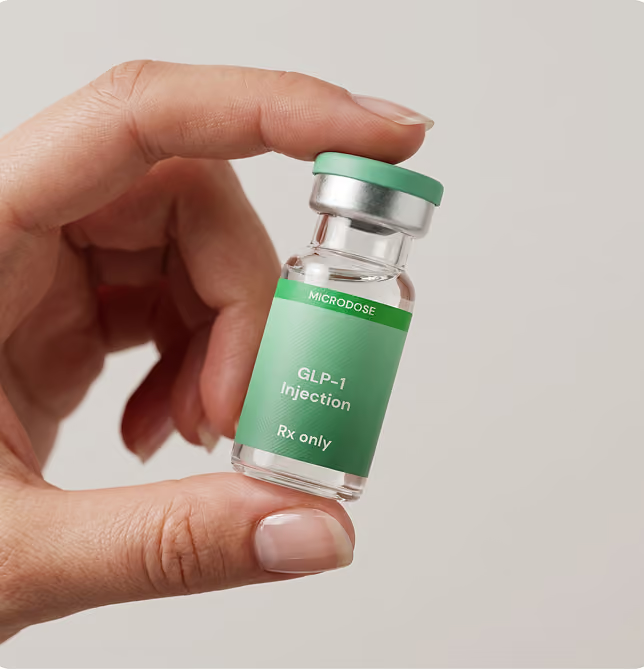
This is where Ivy Rx’s Microdose GLP-1 Injections may fit the decision. It gives eligible patients a lower-dose GLP-1 pathway with online clinician review, no insurance needed, transparent pricing (starting from $77 for four doses per month, as of September 2026), licensed pharmacy dispensing, and follow-up support.
Getting Off Semaglutide Before Surgery or Pregnancy
Surgery and pregnancy are two situations where you should not manage semaglutide timing on your own.
For surgery or procedures with anesthesia, guidance has changed over time. Earlier advice often told patients to pause GLP-1 medications because they can slow stomach emptying and may raise aspiration concerns. Current multi-society guidance says many lower-risk patients can continue GLP-1 medications before elective procedures, while higher-risk patients may need a liquid diet, anesthesia-plan changes, procedure delay, or a different medication plan.
The safest move is to follow your surgeon, anesthesiologist, and prescribing clinician. Tell every care team member your dose, last injection date, side effects, and whether you have nausea, vomiting, reflux, bloating, or delayed stomach-emptying symptoms.
Pregnancy planning is more straightforward. Wegovy® prescribing information says semaglutide should be discontinued at least 2 months before a planned pregnancy because of its long half-life, and it should be stopped when pregnancy is recognized for weight reduction use. Check the current label and speak with your clinician before trying to conceive.
For more timing context, read how long semaglutide stays in your system.
A Clinician-Guided Way to Taper or Maintain: Ivy Rx
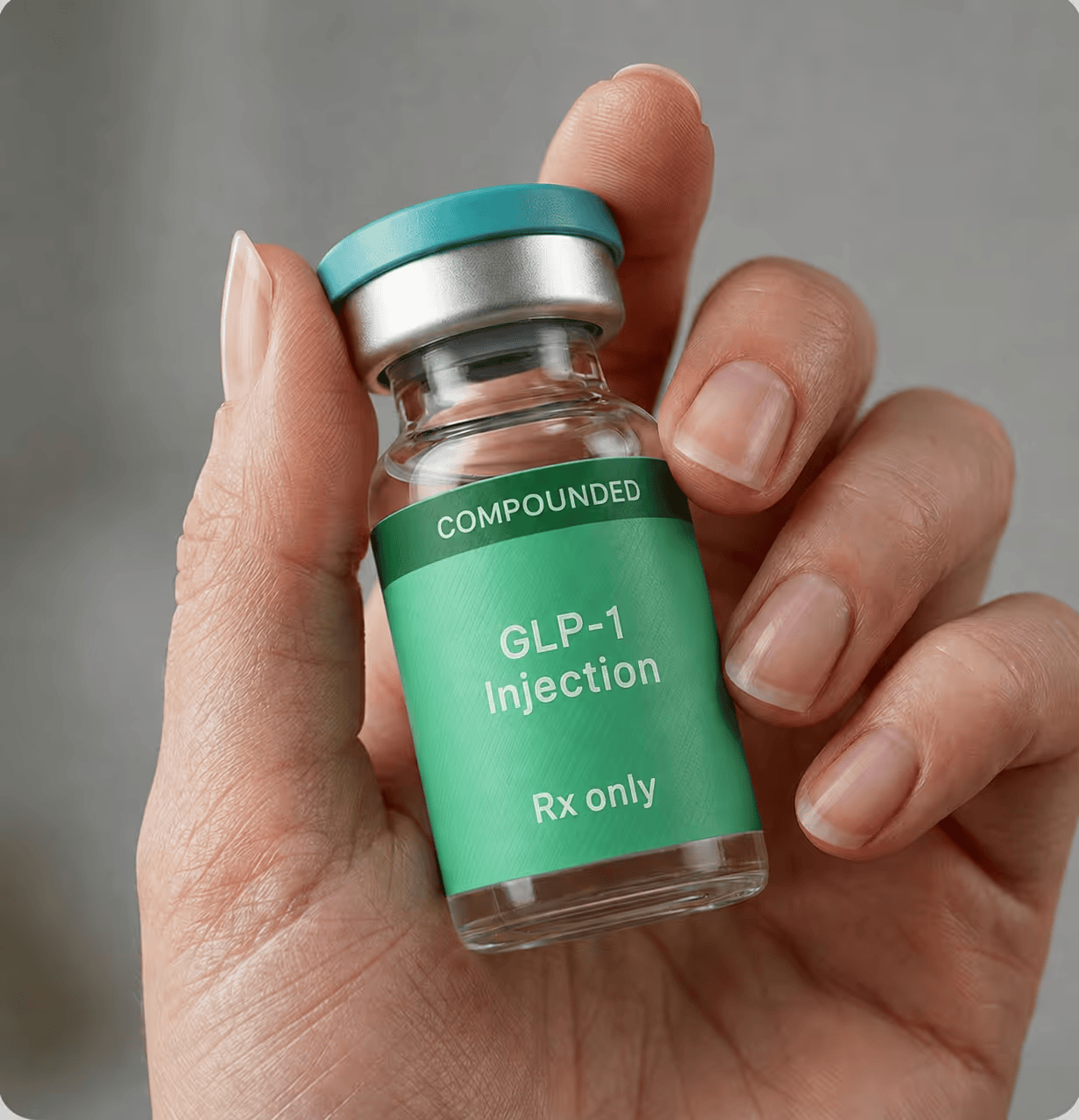
If you want support tapering down or holding a lower maintenance dose instead of quitting cold, Ivy Rx offers Personalized GLP-1 Injections and Microdose GLP-1 Injections that are made in the USA.
The process starts with an online health intake and licensed clinician review. If prescribed, medication is dispensed through a licensed pharmacy and shipped in temperature-controlled packaging, with follow-up support. Patients benefit from transparent pricing, no insurance needed, and a Rate Lock Guarantee, which makes ongoing GLP-1 care easier to budget across prescribed dose titrations.
Personalized GLP-1 formulations are not FDA-approved, and Ivy Rx makes that clear. The safer way to think about them is prescription-based care with clinician review, licensed pharmacy dispensing, clear dosing guidance, and support after treatment starts.
GLP-1 injections are subcutaneous, meaning they go into fatty tissue under the skin, not muscle. The self-administration tutorial video can help you understand the process before starting.
For more cost context, read microdosing GLP-1 cost.
Start Your Personalized Weight Loss Journey with Ivy Rx
If stopping semaglutide feels stressful, you do not have to figure out the next step alone.
Ivy Rx offers clinician-reviewed GLP-1 care for eligible patients who want transparent monthly pricing with a Rate Lock guarantee (so the cost stays consistent over dose titrations), no insurance requirement, licensed pharmacy dispensing, temperature-controlled shipping, and follow-up support.
Start your online visit to see whether Personalized GLP-1 Injections or a lower-dose Microdose GLP-1 plan is appropriate for your goals.
FAQs
Do you have to taper off semaglutide?
No, not always. Some people can stop outright, but tapering may make the transition easier by giving appetite, habits, and weight trends more time to adjust.
Will you gain the weight back after stopping semaglutide?
Sometimes. In the STEP 1 extension study, participants regained about two-thirds of prior weight loss within one year after stopping semaglutide and lifestyle intervention.
How long does it take for semaglutide to leave your system?
About 5 to 7 weeks for most people after the last injectable dose. Wegovy® labeling says semaglutide has a half-life of about 1 week.
Is microdosing a good alternative to stopping semaglutide?
Sometimes. A lower maintenance dose may help some people manage appetite after weight loss, but it should be clinician-guided and based on your response, goals, side effects, and medical history.
What should I do if I feel hungry again after stopping semaglutide?
Start with protein, fiber, planned meals, hydration, sleep, and movement. If hunger feels hard to manage or weight climbs quickly, schedule a clinician check-in.
Disclaimer: Clinical research, prescribing-label details, surgery guidance, pregnancy guidance, nutrition targets, activity recommendations, product availability, pricing, and treatment expectations in this article were reviewed in September 2026 and may change. This article is for informational purposes only and does not replace medical advice. Always confirm current eligibility, dosing instructions, pharmacy details, medication availability, pricing, and program terms with a licensed clinician before changing or stopping treatment.

%25201.avif)

Ivy RX patients
Members of Ivy RX branded medications were paid for their testimonials.
- https://pmc.ncbi.nlm.nih.gov/articles/PMC9542252/
- https://dailymed.nlm.nih.gov/dailymed/drugInfo.cfm?setid=ee06186f-2aa3-4990-a760-757579d8f77b
- https://pmc.ncbi.nlm.nih.gov/articles/PMC11666732/
- https://odphp.health.gov/our-work/nutrition-physical-activity/physical-activity-guidelines/about-physical-activity-guidelines/questions-answers
- https://www.cdc.gov/diabetes/healthy-eating/fiber-helps-diabetes.html
- https://pmc.ncbi.nlm.nih.gov/articles/PMC4434546/
- https://pubmed.ncbi.nlm.nih.gov/40903862/
Related
Resources

How to Keep Weight Off After Semaglutide (Proven Tips)
Worried about weight regain after semaglutide? Learn proven strategies to maintain your results, control appetite, and avoid rebound weight gain.
.avif)
Semaglutide Withdrawal Symptoms: Guide for Managing Effects
Stopping semaglutide? Learn about potential withdrawal symptoms, weight regain risks, and how to manage side effects for a smoother transition.

How Long do You Stay on Semaglutide for Weight Loss
Typical duration of semaglutide for weight loss, including when results start showing and how long treatment may last.