





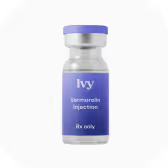
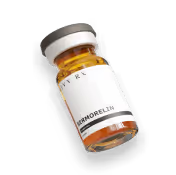
.avif)


Article Outline
Live longer with Sermorelin


What Is Sermorelin Used For Benefits, Uses & Results (2026)
If you are looking into sermorelin, you are probably trying to understand whether it can help with energy, recovery, body composition, or healthy aging without taking HGH directly.
So, what is sermorelin used for? It is a growth hormone-releasing hormone analogue used to stimulate the body’s own growth hormone release. It is no longer marketed as an FDA-approved medication, but provider-guided compounded sermorelin is used today for selected patients.
Below, we take a deeper look at what sermorelin is, its main use cases, how it compares with HGH, its results timeline, side effects, and if it may be the right treatment option for you.
What Is Sermorelin?
Sermorelin is a growth hormone-releasing hormone analogue that stimulates the pituitary gland to release growth hormone naturally.
Unlike Human Growth Hormone (HGH), sermorelin does not add synthetic human growth hormone directly into the body. Instead, it sends a signal to the pituitary gland, which is the gland that controls natural growth hormone release.
From a patient perspective, the practical point is simple: sermorelin works upstream. It supports the body’s own growth hormone pathway rather than replacing growth hormone directly.
There is also an important regulatory distinction. Sermorelin products under the brand name Geref were previously FDA-approved, but they were discontinued. FDA later stated in a Federal Register notice that the products were not withdrawn for safety or effectiveness reasons and would remain listed in the Orange Book Discontinued Drug Product List.
Current FDA guidance notes that compounded drugs, such as compounded sermorelin formulations, are not FDA-approved. This means the FDA does not review them for safety, effectiveness, or quality before they are marketed.
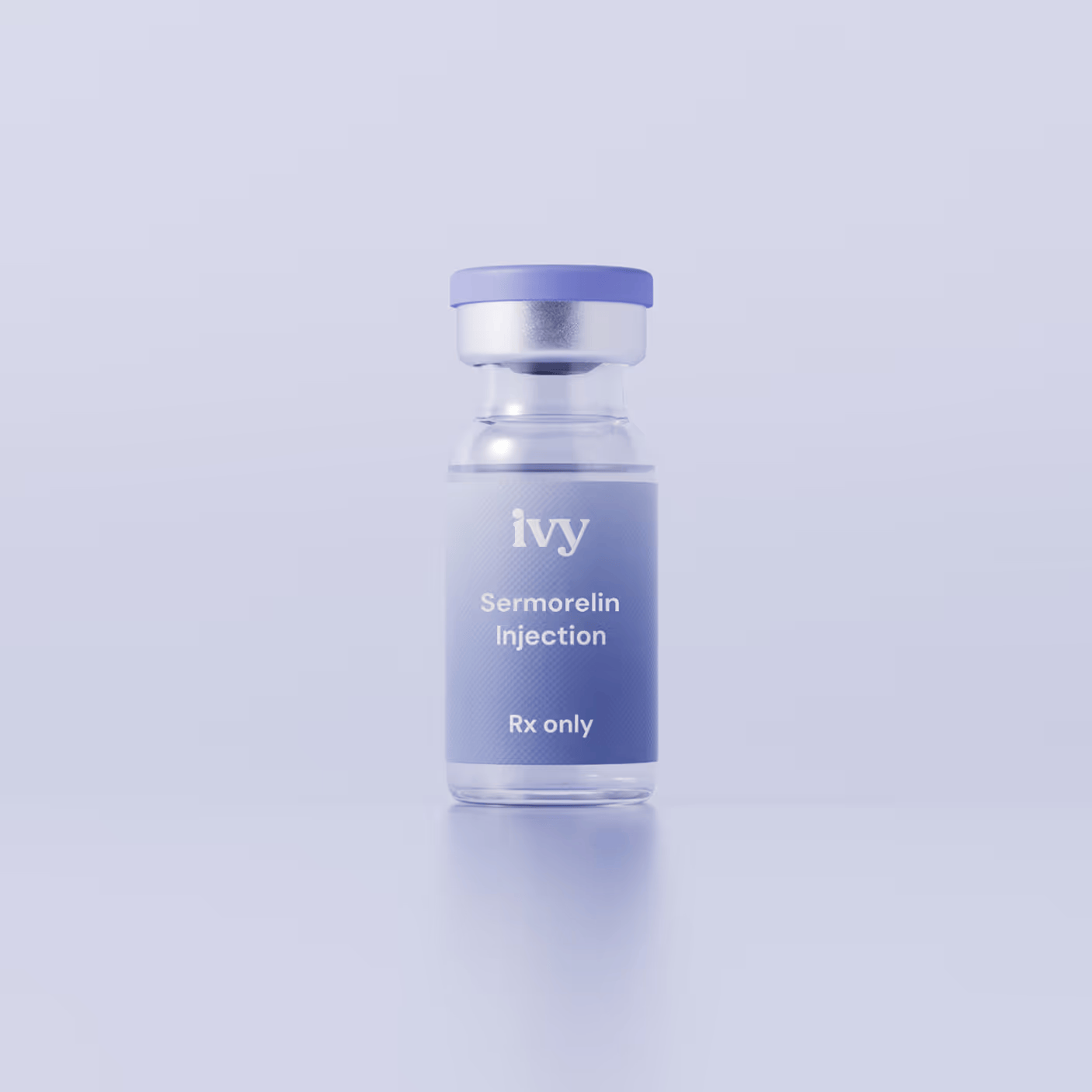
For patients exploring sermorelin therapy, that makes provider review and pharmacy quality important. Learn more about sermorelin injections, whether sermorelin works, and sermorelin benefits.
What Is Sermorelin Used For?
Sermorelin has two different use contexts.
Historically, FDA-approved sermorelin products were used for pediatric growth hormone deficiency-related growth failure and for diagnostic evaluation of pituitary growth hormone secretion. Those branded products are discontinued.
Today, patients most often explore provider-guided compounded sermorelin off-label to support growth hormone-related wellness goals, including recovery, body composition, sleep, and healthy aging.
1. Prior Use in Growth Hormone Deficiency and Pituitary Testing
Sermorelin’s original medical role was tied to growth hormone physiology.
Historically, sermorelin was used in children with growth hormone deficiency-related growth failure and as a diagnostic agent to evaluate pituitary growth hormone reserve. In testing, sermorelin could help clinicians understand whether the pituitary gland was capable of releasing growth hormone when stimulated.
This history is important because it explains why sermorelin is discussed differently from general wellness peptides. It has a clinical background in the growth hormone pathway.
However, the current regulatory status is different from its historical status. Branded Geref products are discontinued, and current compounded sermorelin is not FDA-approved.
For adults considering sermorelin today, the key question is not whether it had past clinical use. The key question is whether provider-guided sermorelin therapy is appropriate for your current symptoms, goals, labs, health history, and risk profile.
2. Body Composition and Fat-Loss Support
Adults often ask about sermorelin for weight loss because growth hormone plays a role in metabolism, fat utilization, and lean tissue maintenance.
Sermorelin is not a primary weight-loss medication like a GLP-1. It does not work by directly suppressing appetite the way semaglutide or tirzepatide can. Its role is more indirect: supporting the growth hormone pathway that may influence body composition over time.
For some patients, sermorelin may be considered as part of a broader plan that includes:
- Strength training
- Protein intake
- Sleep optimization
- Calorie awareness
- GLP-1 therapy when appropriate
- Recovery support
Expectations need to be realistic. Sermorelin is not meant to create rapid scale weight loss. If fat loss is the main goal, a provider may discuss whether a GLP-1, nutrition plan, or peptide-supported recovery plan is more appropriate.
You can also read about best peptides for weight loss for a broader comparison.
3. Muscle Growth and Recovery Support
Sermorelin is often used by adults who want better recovery, muscle maintenance, or support for lean body composition.
The logic is tied to growth hormone and IGF-1 signaling. Growth hormone supports tissue repair and metabolic function, while IGF-1 is involved in growth and repair pathways. Sermorelin may help stimulate this system in patients whose provider determines they are a good fit.
This does not mean sermorelin works like anabolic steroids, and should not be seen as a direct muscle-building shortcut. Any muscle-related benefit depends heavily on resistance training, protein intake, sleep, age, baseline hormone status, and consistency.
A practical way to think about sermorelin therapy is:
- It may support recovery capacity.
- It may support lean-mass goals over time.
- It still requires training and nutrition.
- It should be monitored by a provider.
For a deeper muscle-focused overview, see sermorelin dosage for muscle growth.
4. Sleep Quality and Energy Support
Some adults explore sermorelin because they feel tired, recover slowly, or notice lower energy with age.
Growth hormone release naturally follows sleep-related rhythms, with important pulses happening during deeper sleep. Because sermorelin stimulates growth hormone release, it is often taken at bedtime under provider guidance.
Sleep and energy changes are usually among the earlier benefits people watch for, but they are also subjective. Poor sleep, stress, alcohol, low protein intake, low calories, thyroid issues, anemia, depression, medication effects, and sleep apnea can all affect energy.
That is why sermorelin should not be used as a catch-all answer for fatigue.
A provider may review:
- Sleep quality
- Training load
- Diet
- Symptoms
- Medications
- Lab history
- Other possible causes of low energy
If energy is a main concern, read more about peptides for energy.
5. Healthy Aging and Longevity Support
Sermorelin is commonly discussed in anti-aging and longevity care because growth hormone output tends to decline with age.
For adults, the goal is usually not to create abnormally high growth hormone levels. The goal is to determine whether supporting the body’s own growth hormone release may fit a broader healthy-aging plan.
Possible areas of interest include:
- Recovery
- Sleep
- Energy
- Body composition
- Exercise tolerance
- General vitality
Note that sermorelin is not an anti-aging cure, and it should not be used to promise reversal of aging. It is one possible tool in a provider-guided plan.
A good sermorelin plan should still include strength training, adequate protein, sleep hygiene, cardiometabolic risk management, and realistic expectations.
For further reading on anti-aging, you can explore best anti-aging peptides or consider Ivy Rx’s anti-aging care pathway.
Sermorelin vs. HGH: What's the Difference?
Sermorelin and HGH both relate to the growth hormone pathway, but they work differently.
Sermorelin stimulates the pituitary gland to release growth hormone. HGH introduces growth hormones directly into the body. The difference affects how each is prescribed, monitored, priced, and tolerated.
The practical difference is control. Sermorelin relies on the body’s feedback system, while HGH bypasses that system by adding the hormone directly. This is why sermorelin is often discussed as a more measured approach for selected adults who want growth hormone support without direct HGH replacement.
For related deeper comparisons, read sermorelin vs HGH, tesamorelin vs sermorelin, and sermorelin vs ipamorelin.
Sermorelin Results Timeline: Month by Month
Sermorelin results build gradually. The timeline depends on baseline hormone function, age, dose, sleep, protein intake, training, stress, and consistency.
Sermorelin is not expected to work overnight. If someone is looking for rapid appetite suppression or fast scale weight loss, a GLP-1 or another weight-management option may be more relevant.
The best way to judge sermorelin is to track the right outcomes:
- Sleep quality
- Energy
- Workout recovery
- Strength progress
- Waist measurement
- Body composition
- Side effects
- Lab markers if your provider orders them
If you are not seeing changes after several months, the next step is not to increase your dose on your own. A licensed provider can review whether the issue is dose, consistency, injection timing, sleep, nutrition, training, or whether sermorelin is still the right fit.
For more context, review sermorelin before and after, sermorelin reviews, and sermorelin dosage.
If you are considering sermorelin with another therapy, read about sermorelin and tirzepatide together.
Who Is Sermorelin For?
Sermorelin may suit adults who want provider-guided support for growth hormone-related goals and understand that results are gradual.
It is most relevant when the goal is recovery, body composition, sleep, energy, or healthy-aging support, and when a licensed provider determines that sermorelin fits the patient’s history.
A provider should review your medical history before sermorelin therapy. That includes cancer history, endocrine conditions, diabetes risk, sleep apnea, medications, fertility goals, pregnancy status, and prior reactions to injections or peptides.
For access and cost questions, read about getting a sermorelin prescription online, whether sermorelin is covered by insurance, and sermorelin cost. If you are ready to explore telehealth options, you can learn how to get sermorelin prescribed through a medical evaluation.
Sermorelin Side Effects: What to Know
Sermorelin side effects are usually divided into two groups: injection-site reactions and systemic effects.
Injection-site reactions are generally more common and often mild. Systemic side effects are less common but deserve attention because sermorelin affects growth hormone signaling.
Injection-Site Reactions
Injection-site redness, swelling, itching, tenderness, or mild bruising can happen with sermorelin injections.
These reactions are often temporary and may improve with better injection technique, site rotation, and proper storage. Sermorelin is usually injected subcutaneously, which means into the fatty tissue under the skin.
Here are some practical steps can help:
- Rotate injection sites.
- Avoid injecting into irritated or bruised skin.
- Use clean technique.
- Store the medication as directed.
- Contact your provider if redness spreads, pain worsens, or the area feels hot.
If injections are a concern, compare sermorelin pills vs injections and sermorelin sublingual vs injection, or check out our guide on sermorelin sublingual reviews to see how needle-free options perform.
Headache, Flushing, or Dizziness
Some patients may experience headache, flushing, dizziness, nausea, or a warm sensation after dosing.
These effects may be mild and short-lived, but they should still be tracked. Your provider may ask when the symptom happens, how long it lasts, whether it started after a dose change, and whether it is associated with other symptoms.
Call your provider if symptoms are persistent, severe, or unusual. Do not adjust your dose without medical guidance.
If you want a fuller safety breakdown, read sermorelin side effects.
Hormone-Related Effects
Because sermorelin affects growth hormone signaling, some patients may notice hormone-related effects such as water retention, tingling, joint discomfort, sleep changes, or changes in appetite.
These effects are not the goal of treatment. They are signals to review the plan.
A provider may consider:
- Dose timing
- Dose amount
- Frequency
- Lab history
- Side-effect pattern
- Sleep quality
- Other medications
- Whether therapy should continue
Sermorelin should also be used carefully in patients with endocrine conditions, cancer-related concerns, diabetes risk, or other complex medical histories.
If you are also evaluating weight-loss treatment, read sermorelin vs semaglutide.
Ready to Find Out if Sermorelin Is Right for You? Ivy Rx Makes It Simple
Sermorelin may support recovery, energy, body composition, and healthy-aging goals for the right patient, but the plan should be medically reviewed.
Ivy Rx can help eligible patients explore provider-guided sermorelin therapy with online assessment, licensed-provider review, dosing guidance, and home treatment support if prescribed.
Explore sermorelin injections that are made in the USA to start your journey towards your wellness goals today.
FAQs
What Is Sermorelin Used for in Adults?
Sermorelin is used off-label in adults for growth hormone-related wellness goals, including recovery, sleep, energy, body composition, and healthy-aging support. Current compounded sermorelin is not FDA-approved.
How Long Does It Take for Sermorelin to Work?
It varies. Some people track sleep or energy changes in the first 1 to 3 months, while body-composition and recovery goals may take 3 to 6 months or longer.
Is Sermorelin the Same as HGH?
No. Sermorelin stimulates the pituitary gland to release growth hormone. HGH adds synthetic growth hormone directly into the body.
Is Sermorelin FDA-Approved?
Currently, no marketed sermorelin product is FDA-approved in the U.S. Branded Geref sermorelin products were previously FDA-approved, later discontinued, and listed as discontinued drug products.
How Is Sermorelin Administered?
Sermorelin is usually administered as a subcutaneous injection, meaning it goes into the fatty tissue under the skin. Many protocols use bedtime dosing, as prescribed.
How Much Does Sermorelin Cost?
Currently, Ivy Rx’s sermorelin plans start at $175/month with a six-month plan billed upfront at $1,050. The three-month plan is $195/month, billed upfront at $585. The one-month plan is $225.


Ivy RX patients
Members of Ivy RX branded medications were paid for their testimonials.
Related
Resources
.jpg)
Remedy Meds vs Mochi Which Is Better for Weight Loss
RemedyMeds and Mochi differ in pricing, medications, provider support, and membership structure. Compare both to find the right weight-loss option

Peptides for Weight Loss Explained Which Ones Actually Work
Peptides for weight loss are short amino acid chains that curb appetite and slow digestion. FDA approved options include Wegovy, Zepbound, and Saxenda.

Liraglutide Cost in 2026 Prices With & Without Insurance
Liraglutide costs $500 to $1,700 per month without insurance. Generic versions and discount cards can cut costs to under $500 per month.