





.avif)


Article Outline
Start your personalized GLP-1 program


Peptides for Weight Loss Explained Which Ones Actually Work
Peptides for weight loss can sound confusing because the word “peptide” covers everything from FDA-approved GLP-1 medications to experimental compounds sold online.
The direct answer: some peptides work very well for weight loss, but the strongest evidence is for prescription medications like Zepbound®, Wegovy®, and Saxenda®. Other peptides may be interesting in research, but don’t treat them as proven or safe weight-loss shortcuts.
This guide explains how peptides work, which options are FDA-approved, which ones are still experimental, and how to approach treatment safely.
What Are Peptides and How Do They Support Weight Loss?
Peptides are short chains of amino acids, which are the building blocks of proteins. In the body, some peptides act like signals. They can tell organs, hormones, appetite centers, and digestive pathways what to do.
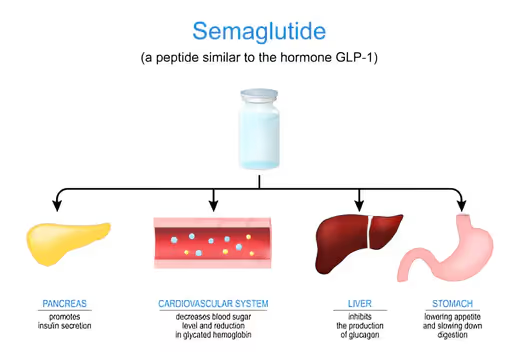
For weight loss, the most important peptides are usually those that affect appetite, fullness, blood sugar, and digestion. GLP-1 medications are the clearest example. They mimic or activate gut-hormone pathways that help you feel full sooner, stay full longer, and eat less without fighting constant hunger.
A simple way to picture it:
But “peptide” is a broad category. Not every peptide sold online is proven for weight loss. Some are FDA-approved prescription medications. Some are still in clinical trials. Others are marketed as research chemicals with unclear quality, dosing, and safety.
That distinction is the whole point of this article. The safer question is not “Which peptide is trending?” It is “Which peptide has evidence, a legal pathway, clinician review, and realistic safety guidance?”
For more background, read best peptides for weight loss, GLP-1 receptor agonists, and what semaglutide does to your body.
FDA-Approved Peptide Medications for Weight Loss
The strongest weight-loss peptides are not the mystery products sold on peptide forums. They are prescription medications studied in large clinical trials and reviewed by the FDA.
Here is the practical comparison:
Zepbound®
Zepbound® contains tirzepatide, a dual GIP and GLP-1 receptor agonist. That means it works on two incretin hormone pathways involved in appetite, fullness, blood sugar, and energy balance.
For most general weight-loss candidates, Zepbound® is one of the strongest FDA-approved peptide medications to know. In the SURMOUNT-1 trial, adults with obesity or overweight without diabetes lost an average of 15.0%, 19.5%, and 20.9% of body weight after 72 weeks on tirzepatide 5 mg, 10 mg, and 15 mg.
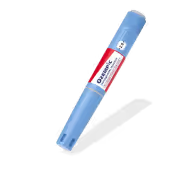
Zepbound® is used with reduced-calorie eating and increased physical activity. It is not a stand-alone solution, and not everyone tolerates higher doses. Nausea, vomiting, diarrhea, constipation, and other digestive side effects can happen, especially during dose increases.
It is also not the same as Mounjaro®. Both contain tirzepatide, but Zepbound® is the weight-management brand. Mounjaro® is the type 2 diabetes brand.
For ingredient-level comparison, check out semaglutide vs tirzepatide and Zepbound® vs semaglutide.
Wegovy®
Wegovy® contains semaglutide, a GLP-1 receptor agonist. It helps reduce appetite, increase fullness, slow digestion, and support lower calorie intake.
Wegovy® is the semaglutide brand specifically used for chronic weight management. That is important because many people confuse Wegovy® with Ozempic®. Both contain semaglutide, but Ozempic® is approved for type 2 diabetes-related uses, while Wegovy® is the weight-management brand.
In the STEP 1 trial, adults with obesity or overweight without diabetes who received once-weekly semaglutide 2.4 mg plus lifestyle intervention lost an average of 14.9% of body weight after 68 weeks, compared with 2.4% with placebo.
Current Wegovy® prescribing label information includes injectable semaglutide and an oral tablet form. That does not mean every semaglutide product, dose, or compounded route is the same. The brand, dose, route, approval status, and clinical supervision all need to be checked.
For more comparisons, check out Saxenda® vs Wegovy®, semaglutide pills vs injection, and Wegovy®, Ozempic®, and Mounjaro® comparison.
Saxenda®
Saxenda® contains liraglutide, another GLP-1 receptor agonist. Unlike Zepbound® and Wegovy®, Saxenda® is taken once daily rather than once weekly.
Saxenda® is older than the newer weekly GLP-1 and GIP/GLP-1 medications, and its average weight-loss results are usually more modest. In a large liraglutide 3 mg weight-management trial, patients taking liraglutide lost an average of 8.4 kg after 56 weeks, compared with 2.8 kg with placebo.
Saxenda® may still be discussed when someone cannot use other medications, has specific insurance coverage, or needs a treatment their clinician thinks fits their history. But many patients now compare it against weekly options because daily injections can feel harder to maintain.
Saxenda® also has the same broad GLP-1 caution areas patients should understand: GI symptoms, pancreatitis warning, gallbladder issues, kidney concerns from dehydration, and thyroid C-cell tumor warning language in the prescribing information.
Imcivree®
Imcivree® is worth mentioning because it is FDA-approved for weight management, but it is not a general weight-loss peptide.
Imcivree® contains setmelanotide, an MC4 receptor agonist. Current prescribing label information says it is indicated to reduce excess body weight and maintain reduction long term in certain patients with acquired hypothalamic obesity, Bardet-Biedl syndrome, or POMC, PCSK1, or LEPR deficiency.
That makes it very different from GLP-1 medications. It is not used for typical weight-loss care, body recomposition, or general appetite control. It is for specific rare conditions that require clinical diagnosis and, in some cases, genetic context.
The practical takeaway: for most adults searching peptides for weight loss, the relevant FDA-approved options are Zepbound®, Wegovy®, and Saxenda®. Imcivree® belongs in the conversation only for rare obesity pathways.
Experimental and Research Peptides You May See Online
You may also see peptides marketed online for weight loss, recovery, body composition, or “metabolic optimization.” Some have real scientific interest. Others have very limited human evidence. Many are not FDA-approved for weight loss.
Common examples include:
Retatrutide is a good example of why nuance is needed. In a phase 2 obesity trial, the 12 mg retatrutide group had a mean weight reduction of 24.2% after 48 weeks. That is impressive, but it does not make retatrutide an FDA-approved treatment. Clinical-trial evidence and consumer access are different things.
Cagrilintide is another example. A phase 2 trial found dose-related weight loss in adults with overweight or obesity, but it remains a research-stage or development-stage medication in this context.
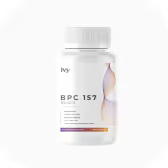
BPC-157, CJC-1295, and similar peptides sit in a different category. They are often discussed in forums, gyms, and longevity circles, but don’t treat them as proven weight-loss medications. FDA has also warned companies selling unapproved GLP-1 products, including retatrutide, labeled 'for research purposes' or 'not for human consumption.'
The safest approach is simple: use proven medications when appropriate, avoid research-chemical sellers, and talk with a licensed clinician before starting any peptide for weight loss.
How Much Weight Can You Lose With Peptides?
Weight loss depends on the peptide, dose, treatment duration, side effects, nutrition, activity, and whether you can stay consistent. The strongest results come from FDA-approved GLP-1 and GIP/GLP-1 medications studied in large clinical trials.
These are averages, not guarantees. Someone who reaches a higher dose, tolerates treatment well, eats enough protein, moves consistently, and follows up with a clinician may see a different result than someone who stops early because of side effects or uses an unclear online product.
The safest way to read trial numbers is as a range of what has happened in studied groups, not a promise about your own body. For more timeline context, read how much weight you can lose on semaglutide in 3 months, semaglutide before and after 1 month, and how fast semaglutide works.
Peptide Side Effects and Safety Considerations
Weight loss peptides can be effective, but they are still medical treatments. Side effects vary by medication, dose, health history, and how quickly the dose increases.
Common GLP-1 and GIP/GLP-1 side effects include:
- Nausea
- Vomiting
- Diarrhea
- Constipation
- Reflux or indigestion
- Abdominal discomfort
- Reduced appetite
- Fatigue
- Headache
Rare but serious risks can include pancreatitis, gallbladder problems, dehydration-related kidney problems, severe allergic reactions, low blood sugar when used with certain diabetes medications, and possible thyroid C-cell tumor risk based on animal studies. Many GLP-1 labels also warn against use in people with a personal or family history of medullary thyroid carcinoma or MEN2.
This is where medical supervision becomes essential. A licensed clinician can review your BMI, medical history, medications, pregnancy plans, diabetes status, gallbladder history, kidney history, and side-effect risk before recommending a treatment.
For more safety context, read GLP-1 side effects, tirzepatide side effects, Saxenda® side effects, and ways to manage semaglutide side effects.
How to Get Peptides for Weight Loss Safely
The safest way to get peptides for weight loss is through a prescription-based care pathway with licensed clinician review and legitimate pharmacy dispensing. Avoid websites selling “research peptides” for personal use, especially if they skip medical screening, dosing guidance, storage instructions, or follow-up support.
A proper evaluation should include:
- Your height, weight, and BMI
- Weight-related health conditions
- Current medications and supplements
- Diabetes or blood sugar history
- Gallbladder, kidney, thyroid, or pancreas history
- Pregnancy or breastfeeding status
- Prior weight-loss medication use
- Side effects you are most worried about
- A follow-up plan if the first dose is not tolerated
Legitimate routes include in-person medical clinics, obesity-medicine clinicians, endocrinologists, primary care clinicians, and licensed telehealth platforms. The key is not whether care happens online or in person, but whether a licensed clinician reviews your case, whether the medication is appropriate, and whether the pharmacy pathway is clear.
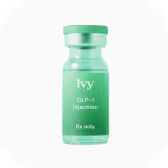
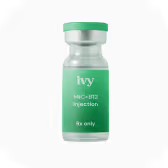
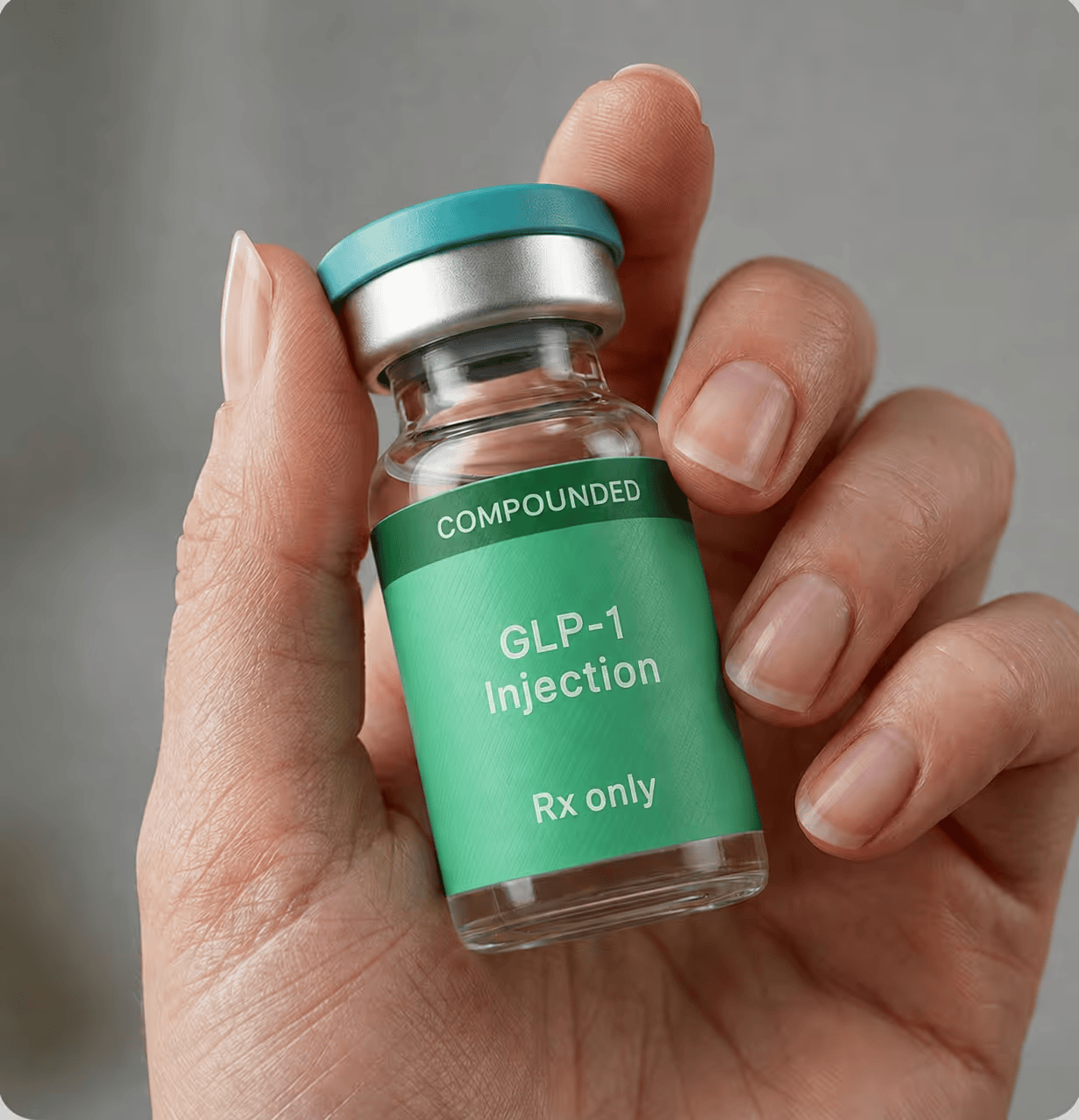
Ivy Rx offers Compounded GLP-1 Injections and Microdose GLP-1 Injections, which are made in the USA, for eligible patients. Compounded medications are not FDA-approved, and the trial results in this article come from studies of the branded medications named above. You begin with a simple online intake, followed by licensed clinician review, pharmacy dispensing, temperature-controlled shipping, and post-purchase support. The pricing is transparent with a Rate Lock Guarantee, so your cost remains the same over any prescribed dose titrations.
If injections make you nervous, GLP-1 injections are subcutaneous, meaning they go into fatty tissue under the skin, not muscle. This self-administration tutorial video can help you understand the process before starting.
For more access guidance, read how to get semaglutide, how to get tirzepatide for weight loss, online semaglutide, and how to get weight loss injections.
Who Should and Should Not Consider Peptides
Peptides for weight loss are best considered through a medical lens, not as a cosmetic shortcut. Candidacy depends on BMI, health history, weight-related conditions, goals, medication access, and risk factors.
People who may be good candidates
- Adults with obesity
- Adults with overweight plus a weight-related condition
- People who have struggled to lose weight with lifestyle changes alone
- People with type 2 diabetes or insulin-resistance concerns, depending on the medication
- Patients who can commit to nutrition, activity, follow-up, and side-effect monitoring
- Patients who understand that results build over months
People who may need to avoid or delay peptides
- People who are pregnant, trying to conceive, or breastfeeding
- People with a personal or family history of medullary thyroid carcinoma or MEN2
- People with a history of pancreatitis, unless a clinician says the benefit outweighs the risk
- People with severe gastrointestinal disease or serious active symptoms
- People with uncontrolled medical conditions that need evaluation first
- People seeking research peptides without prescription oversight
- People expecting dramatic weight loss without lifestyle changes
Use Ivy Rx’s BMI calculator as a starting point, then talk with a clinician about whether medication fits your health profile. You can also read more about choosing a medical weight loss clinic, prescription weight-loss medication, and a practical GLP-1 diet.
Start a Clinician-Guided Peptide Plan With Ivy Rx
The best peptide plan is the one that matches your goals, health history, and comfort level with treatment.
For weight-loss goals, Ivy Rx offers Compounded GLP-1 Injections and lower-dose Microdose GLP-1 Injections for eligible patients. Treatment starts with online intake and licensed clinician review. If prescribed, medication is dispensed through a licensed U.S. pharmacy with follow-up support.
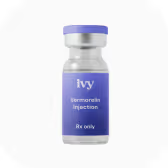
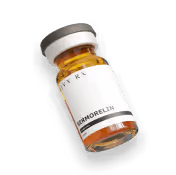
Ivy Rx also offers Sermorelin Injections for adults exploring recovery, sleep, energy, and anti-aging support. However, do not consider sermorelin as a primary weight-loss peptide in the same way as GLP-1 or GIP/GLP-1 medications.
Start by finding your treatment to see which path may fit your goals.
FAQs
Do peptides work for weight loss?
Yes, some do. FDA-approved GLP-1 and GIP/GLP-1 medications have strong weight-loss trial data. Many research peptides do not have enough human evidence.
What is the best peptide for weight loss?
It depends. Zepbound® and Wegovy® have strong clinical evidence, while Saxenda® is another approved option. A clinician should match treatment to your history.
Are peptides safe for weight loss?
Sometimes. Safety depends on the specific peptide, dose, medical history, pharmacy source, and monitoring. Avoid unregulated research peptides for personal use.
Are all weight-loss peptides FDA-approved?
No. Wegovy®, Zepbound®, and Saxenda® are FDA-approved for chronic weight management. Many peptides promoted online are experimental or not approved for weight loss.
Can Ivy Rx help with weight-loss peptides?
Yes. Ivy Rx offers clinician-reviewed GLP-1 care for eligible patients, including Compounded GLP-1 Injections and Microdose GLP-1 Injections, with licensed pharmacy dispensing and temperature-controlled shipping. Compounded medications are not FDA-approved.
Disclaimer: Clinical research, FDA approval status, prescribing-label details, safety information, product availability, pricing, pharmacy details, and peptide-program information in this article were reviewed in September 2026 and may change. This article is for informational purposes only and does not replace medical advice. Always confirm current eligibility, dosing instructions, pharmacy or supplement sourcing, medication availability, pricing, and program terms with a licensed clinician before starting any peptide.

%25201.avif)

Ivy RX patients
Members of Ivy RX branded medications were paid for their testimonials.
- https://pubmed.ncbi.nlm.nih.gov/35658024/
- https://www.nejm.org/doi/full/10.1056/NEJMoa2032183
- https://dailymed.nlm.nih.gov/dailymed/drugInfo.cfm?setid=487cd7e7-434c-4925-99fa-aa80b1cc776b
- https://dailymed.nlm.nih.gov/dailymed/drugInfo.cfm?setid=ee06186f-2aa3-4990-a760-757579d8f77b
- https://dailymed.nlm.nih.gov/dailymed/drugInfo.cfm?setid=3946d389-0926-4f77-a708-0acb8153b143
- https://www.fda.gov/drugs/drug-alerts-and-statements/fdas-concerns-unapproved-glp-1-drugs-used-weight-loss
- https://www.fda.gov/drugs/human-drug-compounding/certain-bulk-drug-substances-use-compounding-may-present-significant-safety-risks
- https://www.nejm.org/doi/full/10.1056/NEJMoa2301972
Related
Resources

7 Best Anti-Aging Peptides for Youthful, Firm Skin in 2026
Discover the top anti-aging peptides for reducing wrinkles, boosting collagen, and improving skin texture. Science-backed options reviewed here.
Semaglutide vs Tirzepatide for Weight Loss: Pros, Cons, and Side Effects
Semaglutide vs Tirzepatide: Which one offers the best weight loss results? Explore key differences in side effects, cost, and effectiveness.

Retatrutide vs Semaglutide Differences, Cost & Benefits
Compare retatrutide vs semaglutide, including how they work, weight loss results, side effects, approval status, and key treatment differences