





.avif)



Article Outline
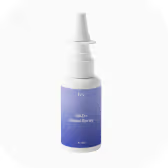
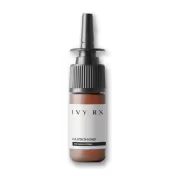
Live longer with NAD+ Nasal Spray


NAD+ Nasal Spray Side Effects What to Expect in 2026
If you are considering NAD+ nasal spray, side effects are probably one of your first questions.
The reassuring answer: most reported NAD+ nasal spray side effects are mild and temporary. They may include nasal irritation, headache, nausea, lightheadedness, or brief flushing.
This guide explains what is expected, what is concerning, how to reduce discomfort, and how nasal spray compares with NAD+ injections or IV therapy.
Common NAD+ Nasal Spray Side Effects
NAD+ nasal spray is generally discussed as a gentler option than IV therapy, but it can still cause temporary local or whole-body symptoms. Human evidence for intranasal NAD+ specifically is still limited, so side effect guidance is based on available NAD+ therapy data, intranasal medication principles, and provider-reported use patterns.
A clinical review of NAD-targeting therapies notes that this area is still developing, so it is important not to overstate what is known about every NAD+ delivery method.
That being said, the side effects are manageable, and not a reason to avoid the product altogether. Most users report the side effects decrease significantly after the first few uses.
For safe use, follow your prescribed NAD+ nasal spray dosage and review Ivy Rx’s safety information before starting.
Nasal Irritation, Sneezing, or Runny Nose
The most obvious NAD+ nasal spray side effects happen in the nose.
Some people may notice mild burning, stinging, dryness, sneezing, or a runny nose shortly after spraying. This can happen with many intranasal products because the nasal lining is sensitive and directly exposed to the formulation.
This does not automatically mean something is wrong. Mild irritation that fades quickly is different from severe burning, swelling, nosebleeds, wheezing, or symptoms that keep getting worse.
To reduce irritation:
- Use the spray exactly as prescribed
- Aim slightly outward toward the side of the nostril
- Avoid sniffing hard after spraying
- Do not use extra sprays to “make up” for a missed dose
- Ask your provider before using it during an active sinus infection or severe congestion
If nasal symptoms persist or interfere with daily use, contact your provider rather than changing the dose on your own.
Headache, Lightheadedness, or Brain Fog
Some users report headache, lightheadedness, head pressure, or brief brain fog after NAD+ therapies.
These symptoms may happen as the body adjusts to treatment, especially when the dose is too high for the person’s tolerance or the product is used too frequently. They can also be influenced by hydration, sleep, caffeine, other supplements, or medication use.
A mild headache that passes is usually less concerning than a severe, sudden, or persistent headache. You should seek medical help if symptoms come with fainting, chest pain, confusion, weakness on one side, vision changes, or trouble breathing.
If symptoms are mild but bothersome, ask your provider whether timing, dose, hydration, or treatment frequency should be adjusted. Our guide on the best time to take NAD explains why timing can matter for tolerability and routine fit.
Nausea, Flushing, Warmth, or Fatigue
NAD+ side effects can also feel more systemic, meaning they are not limited to the nose.
Some people report nausea, stomach discomfort, warmth, flushing, or temporary fatigue. These effects are also discussed with NAD+ injections and IV therapy, though the intensity can differ by route and dose.
Brief warmth or flushing may reflect a short-lived vascular or nervous-system response as the body reacts to treatment. Niacin, another vitamin B3-related compound, is well known for causing flushing, and NAD+ nasal spray behaves similarly but not necessarily the exact same way in every person.
Fatigue can feel confusing because many people try NAD+ for energy support. A temporary “off” feeling does not mean treatment will never suit you, but it is worth reporting if it is strong, persistent, or paired with nausea, dizziness, or other symptoms.
You can also compare these symptoms with NAD injection side effects if you are deciding between nasal spray and injectable treatment.
Why Does NAD+ Nasal Spray Cause Side Effects?
NAD+ is involved in cellular energy metabolism. In plain English, it helps cells carry out energy-related work, much like a helper molecule in the body’s internal power system.
When NAD+ is used intranasally, the spray contacts the nasal lining. That lining is thin, sensitive, and full of small blood vessels, which is why intranasal medications can sometimes feel fast and noticeable.
Some side effects are local. Burning, sneezing, and runny nose come from the spray contacting the nasal tissue.
Other side effects are more whole-body. Headache, nausea, warmth, flushing, or lightheadedness may happen when the body adjusts to the dose or when the treatment is absorbed more quickly than expected.
A simple analogy: nasal spray is like adding fuel through a fast-access side door rather than sending it through the digestive system. That can make it convenient, but it also means sensitive users may feel the adjustment more clearly at first.
The evidence for NAD+ nasal spray is still developing, so avoid any provider that promises guaranteed energy, brain health, or anti-aging results without acknowledging uncertainty.
For more context, read about NAD injection benefits, whether NAD gives you energy, and NAD for brain health.
How to Minimize NAD+ Nasal Spray Side Effects
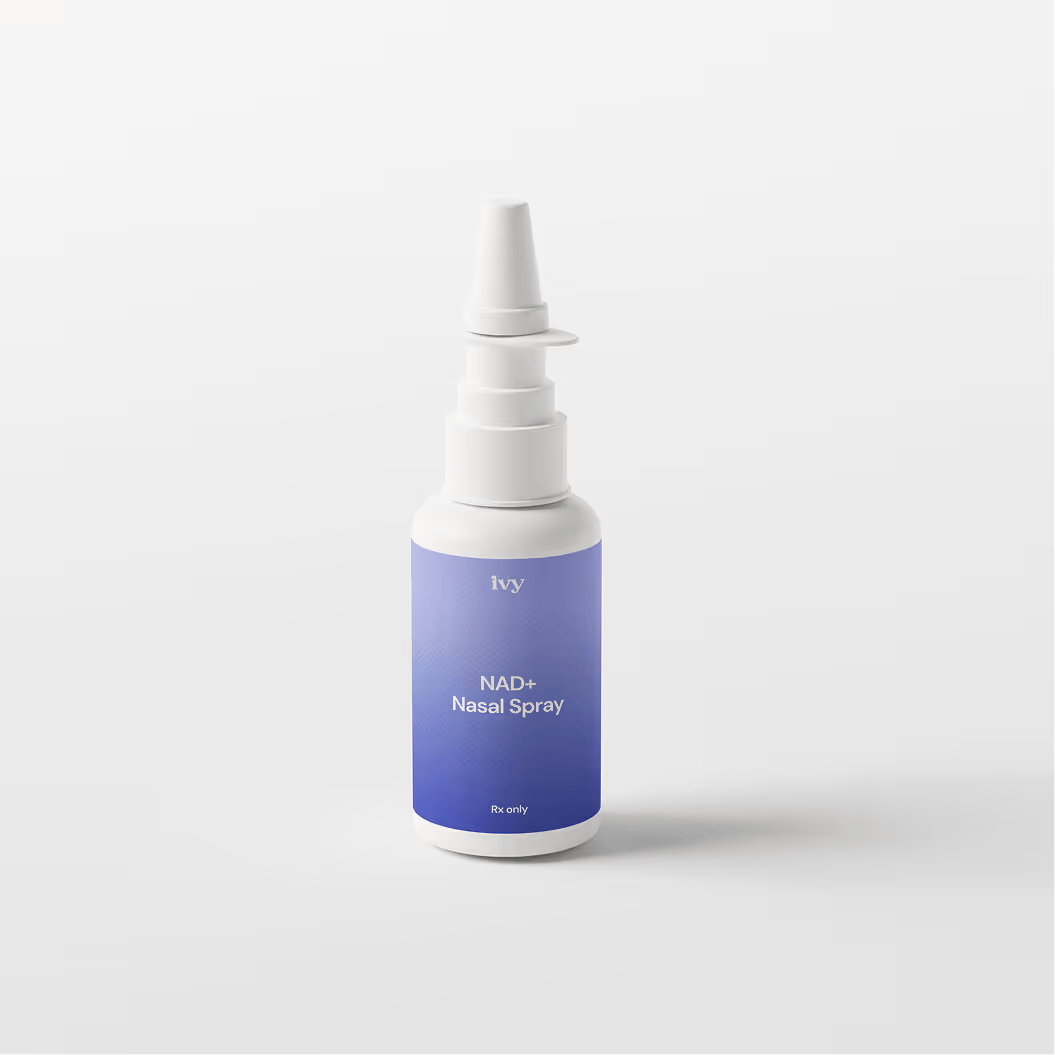
The most effective way to reduce side effects is to follow your prescribed starting dose and increase only if your provider recommends it.
Use these practical steps:
- Start low and titrate slowly: Do not rush the dose. A lower starting dose gives your body time to adjust and may reduce nasal irritation, headache, nausea, and flushing.
- Use proper spray technique: Keep your head upright or slightly tilted forward. Aim the nozzle away from the septum, the middle wall of the nose. Spray gently and avoid sniffing hard.
- Take it at the same time of day: Consistency can make it easier to notice patterns. If the spray affects sleep or causes an energy shift, ask your provider whether morning use is better.
- Stay hydrated: Dehydration can make headaches, lightheadedness, and nausea feel worse. Drink water before and after use, especially if you are active or sensitive to supplements.
- Avoid stacking new products: Starting several new supplements or treatments at once makes it harder to know what caused a side effect.
- Check in early if symptoms bother you: Do not wait until side effects make you stop. Your provider may adjust dose, timing, or route.
If you are still comparing formats, review the best NAD nasal sprays or read patient-focused NAD injections at home reviews.
Who Should Use Caution or Avoid NAD+ Nasal Spray?
NAD+ nasal spray may be a good fit for many adults looking for a needle-free option, but some people should speak with a provider before starting. This is not meant to scare you away from treatment. It is about making sure the route, dose, and formulation match your health history.
Ivy Rx requires a licensed-provider evaluation before prescribing NAD+ treatment. That review helps screen for medical conditions, allergies, medication use, and other factors that could affect whether NAD+ nasal spray is appropriate.
Who Should Consider NAD+ Nasal Spray?
NAD+ nasal spray may be worth considering if you:
- Want a needle-free option instead of NAD+ injections or IV therapy
- Prefer at-home treatment over clinic appointments
- Are interested in NAD+ for general energy, recovery, or anti-aging support
- Have mild sensitivity to injections or long infusion sessions
- Want provider guidance before starting a new wellness treatment
It may also suit people comparing NAD anti-aging options who want a lower-effort route than IV therapy. Still, it should be used as prescribed, not treated like an ordinary over-the-counter nasal spray.
Who Should Use Extra Caution or Avoid It?
Talk to a provider before using NAD+ nasal spray if you:
- Are pregnant, trying to become pregnant, or breastfeeding
- Have chronic sinusitis, nasal polyps, frequent nosebleeds, or recent nasal surgery
- Have a known allergy to NAD+ or any ingredient in the formulation
- Have asthma or breathing symptoms that worsen with nasal products
- Take multiple medications or supplements that affect energy, blood pressure, sleep, or mood
- Have a complex medical history, including cancer-related concerns or significant metabolic disease
If your provider does not think nasal spray is the right route, they may discuss another option or suggest waiting. You can also ask whether combining or comparing treatments, such as NMN and NAD, makes sense for your goals.
NAD+ Nasal Spray vs. Other Methods: How Side Effects Compare
NAD+ nasal spray is often the most accessible option because it avoids needles, clinic appointments, and long infusion sessions. It may be easier to fit into a daily routine, especially for people who mainly worry about injection discomfort.
Subcutaneous injections may offer a middle ground. They avoid long IV sessions but still require self-injection. For some patients, that tradeoff is worthwhile because injections provide provider-guided NAD+ treatment at home.
IV therapy is the most supervised route and may be preferred in some clinic-based situations, but it is usually more time-intensive and can feel stronger during the session. Some IV-related symptoms may depend on the dose and infusion speed.
If you are comparing options, read more about NAD injection vs NAD nasal spray, NAD injections vs IV therapy, NAD injections vs pills, and what NAD IV therapy is.
Start Your NAD+ Journey With Ivy Rx
Side effects should not be ignored, but they also should not make NAD+ treatment feel intimidating. The key is choosing the right route, starting with the right dose, and having access to medical guidance when questions come up.
Ivy Rx offers NAD+ nasal spray made in the USA through an online provider evaluation, with home delivery and treatment guidance if prescribed. For readers who want a needle-free option that fits into a daily wellness routine, it may be a practical place to start.
Explore Ivy Rx’s NAD+ nasal spray to see whether treatment may be appropriate.
FAQs
Is NAD+ Nasal Spray Safe?
Generally, it may be appropriate for some adults when prescribed and monitored by a licensed provider.
How Long Do NAD+ Nasal Spray Side Effects Last?
Usually, mild effects last minutes to a few hours. Persistent or worsening symptoms should be reported to your provider.
Can NAD+ Nasal Spray Cause Brain Fog?
Sometimes. Some users report brief brain fog or lightheadedness, especially when adjusting to dose or timing.
Is Nasal NAD+ Better Tolerated Than IV NAD+?
Often, yes. Nasal spray avoids needles and infusions, but tolerability still depends on the person and dose.
Do NAD+ Nasal Spray Side Effects Go Away Over Time?
Often, mild effects improve after your body adjusts. If symptoms continue, ask your provider before changing use.


Ivy RX patients
Members of Ivy RX branded medications were paid for their testimonials.
Related
Resources

Switching From Wegovy® to Mounjaro® Safely in 5 Easy Steps
To switch from Wegovy to Mounjaro, take your last Wegovy dose, wait about one week, then start Mounjaro at 2.5 mg with your provider guiding the change.
.jpg)
Ozempic Shortage & What Patients Can Do Now (2026 Update)
The Ozempic shortage ended in February 2025 when the FDA removed semaglutide from its shortage list, though local pharmacy stockouts still happen in 2026.
.jpg)
BPC-157 Before and After: Realistic Results & Timeline
BPC-157 before and after results are functional, not visual. Most users report less pain within 1-3 weeks and better mobility by weeks 4-8.