





.avif)


Article Outline
Live longer with Sermorelin


Sermorelin vs BPC-157 Benefits, Differences & How to Choose
Choosing between sermorelin vs BPC-157 depends on what you want support for.
Sermorelin is mainly used for growth hormone-related goals, such as recovery, sleep, energy, and healthy aging. BPC-157 is mainly discussed for tissue repair, inflammation, and gut support, but the evidence is much earlier.
This guide compares how they work, benefits, side effects, cost, and who each peptide may suit.
Sermorelin vs BPC-157: At a Glance
How Each Peptide Works
Sermorelin and BPC-157 are both peptides, but they do very different jobs. Sermorelin works through the growth hormone pathway. BPC-157 is studied for repair-related pathways, especially in animal and early research settings.
How Sermorelin Works
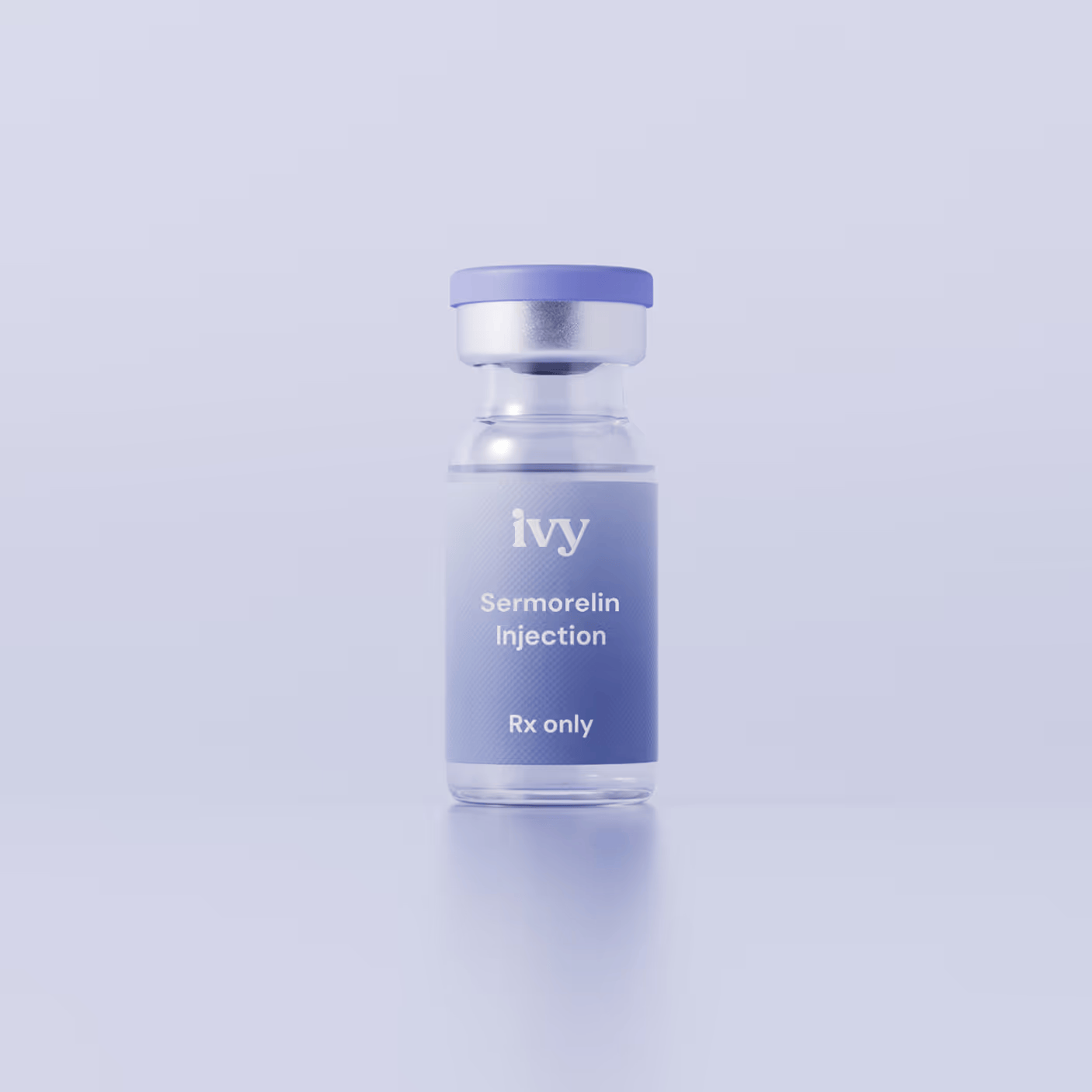
Sermorelin is a growth hormone-releasing hormone analog. In plain English, it signals the pituitary gland to release more of your body’s own growth hormone.
That makes it different from taking synthetic human growth hormone directly.
In a nutshell, sermorelin:
- Works upstream: It encourages the body’s natural growth hormone release pathway.
- Is usually injected: It is usually injected subcutaneously, under the skin, as directed.
- Is often used at bedtime: Growth hormone release naturally follows sleep-related rhythms, so bedtime dosing is common.
- Needs provider review: A clinician should decide whether sermorelin fits your goals, history, and risk factors.
Sermorelin is most frequently discussed for recovery, sleep, lean body composition, and healthy-aging support. You can learn more about sermorelin benefits, peptides for energy, and best anti-aging peptides.
How BPC-157 Works
BPC-157 is a synthetic peptide based on a sequence found in human gastric juice. It is often discussed for gut support, soft-tissue recovery, and inflammation-related pathways.
Most BPC-157 research is preclinical. That means much of the evidence comes from animal studies or lab models, not large human trials.
In a nutshell, BPC-157:
- Is repair-focused in research: Studies explore effects on tissue, tendons, ligaments, gut lining, and inflammation-related pathways.
- Has no standardized human dosing: There is no FDA-approved BPC-157 dosing protocol for humans.
- Has varying routes: BPC-157 may appear as capsules, injections, or topical products depending on the provider, product, or specific BPC-157 form selected.
For a direct delivery comparison, read about BPC 157 pills vs injections.
Benefits: What Each Peptide Is Best Known For
Neither peptide should be treated as a guaranteed fix. The better question is what each one is most commonly used for and how strong the evidence is.
Sermorelin Benefits
Sermorelin benefits are mainly linked to growth hormone support. Patients often explore it for healthy aging, body composition, sleep quality, energy, and recovery.
Potential benefits may include:
- Growth hormone support: Sermorelin stimulates the pituitary gland to release growth hormone.
- Recovery and sleep support: Some patients use sermorelin as part of a broader recovery or longevity plan.
- Body composition support: Sermorelin is often discussed for muscle tone and fat-loss support, but outcomes vary.
- Provider-guided use: Because it affects hormone pathways, medical review is important.
The evidence is stronger for sermorelin’s ability to stimulate growth hormone release than for broad anti-aging outcomes. That means it may support certain goals, but it’s not meant as a guaranteed muscle-building or fat-loss treatment.
For more context, read sermorelin before and after, does sermorelin work, and sermorelin dosage for muscle growth.
BPC-157 Benefits
BPC-157 benefits are usually discussed around tissue repair, gut health, and recovery. Users often look at it for tendon, ligament, muscle, joint, or digestive concerns.
Potential areas of interest include:
- Gut support: BPC-157 is studied for gastrointestinal and gut-lining pathways.
- Tissue repair: Animal studies have explored tendon, ligament, muscle, and wound-healing models.
- Inflammation support: Some research explores inflammatory and blood-flow-related mechanisms.
- Recovery interest: Many users discuss BPC-157 in sports, injury, and biohacking communities.
The main caution is that human evidence remains limited. BPC-157 may be promising in early research, but it is not proven to heal injuries or treat gut disease in humans.
This is where BPC-157 differs from many online claims. It may be worth discussing with a provider, but it should not replace standard medical care for injuries, pain, inflammatory bowel disease, ulcers, or serious digestive symptoms.
Side Effects: How Do They Compare?
Sermorelin and BPC-157 have different side effect profiles because they work through different pathways.
Sermorelin side effects are better described because it has more clinical history. BPC-157 side effects are harder to define because there are fewer well-controlled human studies.
Sermorelin Side Effects
Sermorelin is generally discussed as well tolerated when prescribed and monitored, but side effects can happen.
Typically reported sermorelin side effects include:
- Injection-site redness, swelling, or pain
- Headache
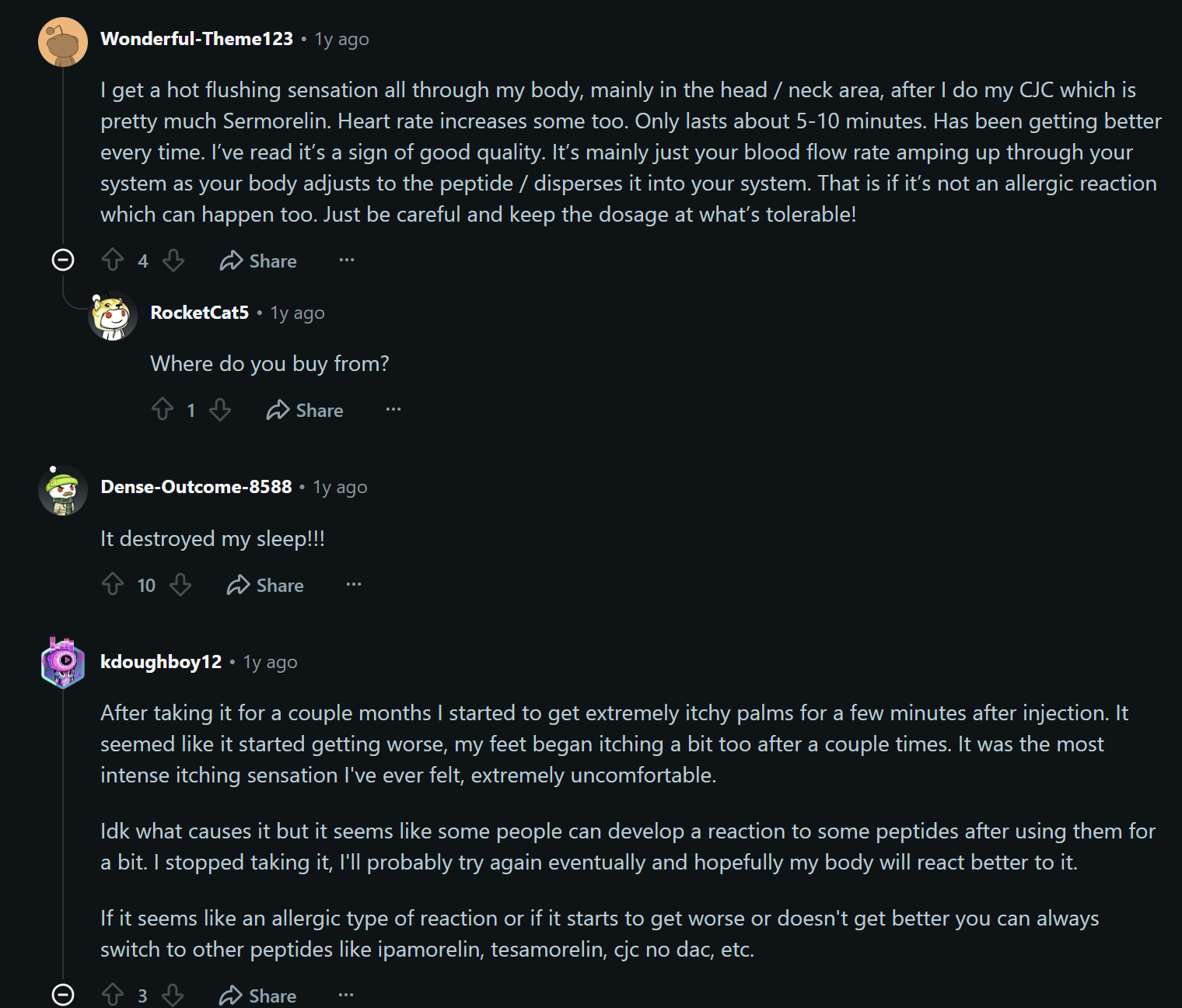
- Flushing
- Dizziness
- Nausea
- Sleep changes
- Water retention or tingling in some patients
Hormone-related treatment also needs medical screening. A provider should review cancer history, pituitary or endocrine disorders, diabetes risk, pregnancy status, and current medications before prescribing.
Ivy Rx’s sermorelin program includes provider review before treatment, which is important because dosing, timing, and suitability should never be self-directed.
Read more about sermorelin side effects, sermorelin dosage, and whether sermorelin is covered by insurance.
BPC-157 Side Effects
BPC-157 side effects are less clearly established in humans. That does not mean there are no risks. It means the safety picture is less complete.
The usual concerns include:
- Headache, nausea, or digestive discomfort
- Sensitivity to inactive ingredients
- Unknown long-term effects
- Product-quality or dosing issues from unverified sources
- Safety uncertainty in pregnancy, breastfeeding, cancer, autoimmune disease, or complex medical conditions
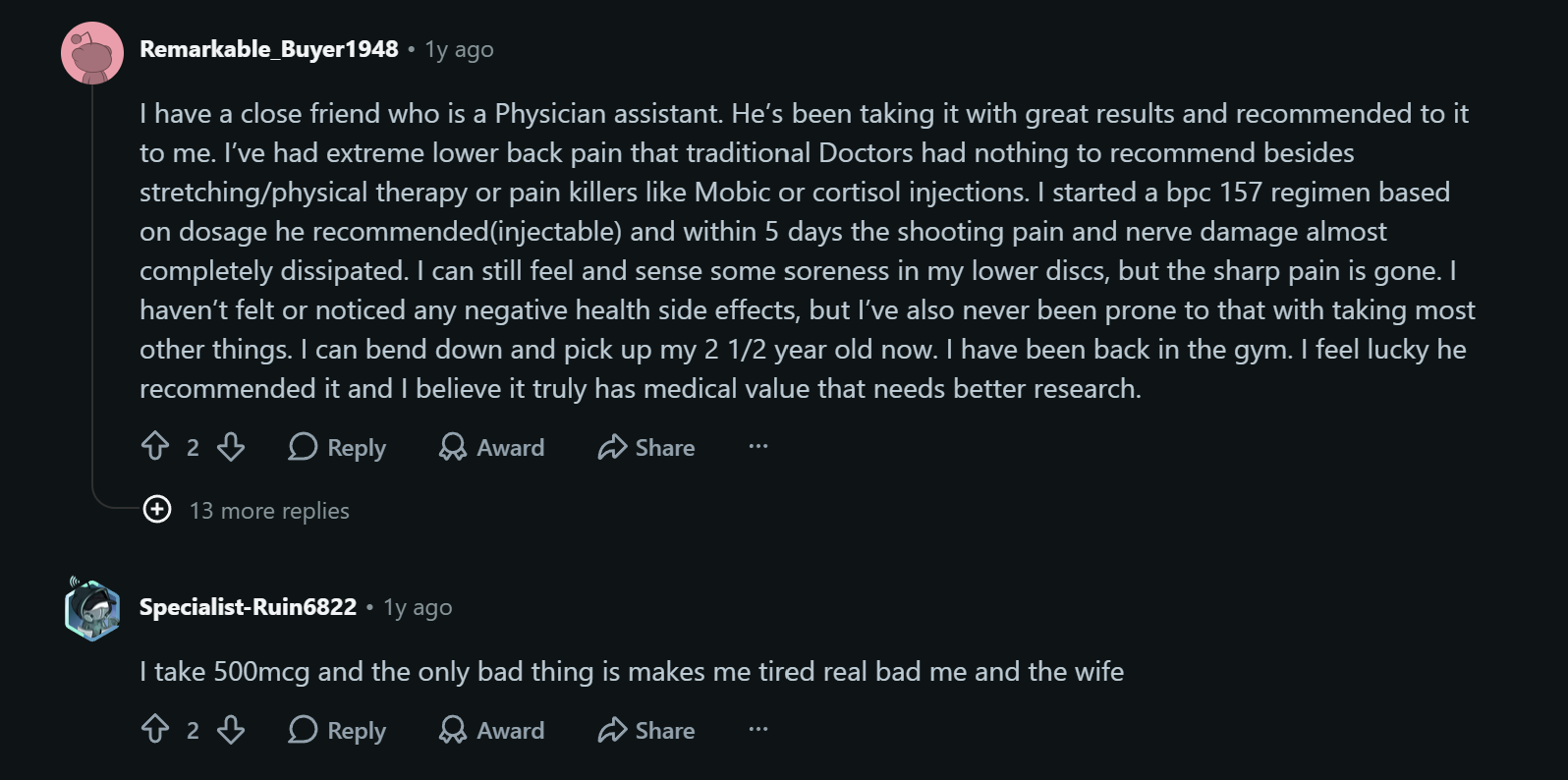
The FDA has also flagged BPC-157 among certain bulk drug substances that may present significant safety risks in compounding. The concerns include immunogenicity for some routes, peptide-related impurities, and active ingredient characterization.
The practical takeaway: avoid unverified BPC-157 sellers and avoid treating it like a proven injury or gut-disease therapy.
Cost Comparison
Cost depends on the peptide, route, provider model, plan length, and whether the product includes medical review, dosing guidance, supplies, and follow-up support.
The lowest-cost peptide is not always the best fit. A licensed provider can help you compare route, evidence, safety considerations, expected timeline, and total treatment cost before you decide.
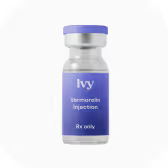
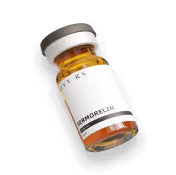
If your goal is hormone-related recovery or anti-aging support, Ivy Rx’s sermorelin injections may be the more structured option to consider. They are made in the USA at an FDA-registered pharmacy partner, with free temperature-controlled shipping included.
For patients exploring peptide therapy through Ivy Rx, the benefits go beyond clearer eligibility review and convenient access. You get guidance on whether sermorelin, BPC-157, or another option is more aligned with your health goals and budget.
Learn more about sermorelin cost.
How Sermorelin and BPC-157 Are Administered
Administration is one of the biggest practical differences between sermorelin and BPC-157. Sermorelin is typically used as a subcutaneous injection, while BPC-157 may be available in oral or injectable forms depending on the product and provider.
Sermorelin
Sermorelin is usually injected subcutaneously, which means into the fatty tissue under the skin, often in the abdomen or thigh.
For eligible Ivy Rx patients, sermorelin treatment includes licensed-provider review, dosing guidance, and a home injection kit if prescribed. The medication is commonly taken at bedtime, 5 days per week, or as directed by the provider. Bedtime dosing is often used because natural growth hormone release is closely tied to sleep.
Basic dos and don'ts:
- Follow your prescribed dose and schedule.
- Store medication as instructed.
- Rotate injection sites.
- Do not increase the dose without provider guidance.
- Contact your provider if injection-site reactions, dizziness, swelling, or unusual symptoms occur.
If you want a deeper dosing breakdown, review the sermorelin dosage chart.
BPC-157
BPC-157 is often discussed online as an injectable peptide, but oral capsule formulations are also used in wellness settings.
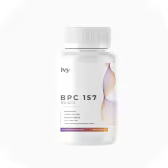
For patients comparing BPC-157 options, route and formulation should be part of the provider conversation. Oral capsules may be more practical for patients who want to avoid injections, while injectable products are often discussed in recovery-focused online communities; for more context on how administration impacts use, explore this overview of BPC 157 dosage.
So, the right question is not which route sounds more intense. It is whether the product, evidence, safety profile, and expected outcome match your goal.
Basic dos and don'ts:
- Take the product as directed.
- Do not use BPC-157 as a replacement for medical care after an injury.
- Avoid unverified peptide sellers.
- Ask a provider before use if you are pregnant, breastfeeding, have cancer-related concerns, or take multiple medications.
- Stop and seek care if you develop concerning symptoms.
Safety Considerations Before Starting Sermorelin & BPC-157
Both peptides should be approached carefully. Sermorelin affects hormone pathways. BPC-157 has limited human safety data and more regulatory uncertainty.
Sermorelin
Hormone Pathway Screening
Sermorelin stimulates growth hormone release. That means a provider should review your endocrine history, symptoms, goals, and whether lab testing is appropriate.
It may not suit people with active cancer, uncontrolled diabetes, severe sleep apnea, complete growth hormone deficiency requiring recombinant HGH, or other conditions that need specialist care.
Injection and Storage Requirements
Sermorelin is an injectable medication, which means technique, storage, and sterility should be carefully considered.
Your care team should explain how to prepare the dose, where to inject, how to rotate sites, how to store the vial, and what to do if a shipment arrives warm or damaged.
Side Effect Monitoring
Mild injection-site redness or swelling may happen. Some people may also notice headache, flushing, dizziness, nausea, or sleep changes.
If side effects persist, worsen, or feel unusual, contact your provider. You can also review Ivy Rx’s safety information.
BPC-157
Limited Human Evidence
The biggest BPC-157 safety issue is not one specific side effect. It is the lack of strong human evidence.
Many claims come from animal studies, lab research, or user reports. That is useful for research interest, but not enough to prove it treats injuries, gut disease, or chronic pain in humans.
Product Quality and Regulatory Concerns
Because BPC-157 is widely marketed online, product quality can vary. Avoid sellers that hide ingredient details, make disease-treatment claims, or sell “research use only” products while implying they are meant for human use.
This does not mean every product is unsafe, but it does mean BPC-157 should be approached with more caution than peptide options with stronger human clinical and regulatory history.
A provider-guided route can help reduce guesswork around formulation, suitability, and safety screening.
Medical Conditions and Interactions
People with complex medical histories should be especially cautious. This includes pregnancy, breastfeeding, cancer-related concerns, autoimmune disease, bleeding concerns, recent surgery, or serious gut symptoms.
A capsule or peptide product should not delay standard care for injuries, severe pain, bleeding, ulcers, inflammatory bowel disease, or unexplained digestive symptoms.
Who Might Choose Sermorelin or BPC-157?
Choose Sermorelin If You Want Hormone-Related Support
Sermorelin may suit adults interested in growth hormone support for recovery, sleep, body composition, or healthy-aging goals.
It is a better fit for people who want provider-guided care, clear dosing instructions, and a structured prescription pathway.
Choose BPC-157 If You Are Exploring Gut or Tissue Support
BPC-157 may appeal to people researching tissue recovery, gut support, or injury-related wellness.
The key caveat is evidence quality. It may be a conversation starter with a provider, not a proven replacement for medical care.
Choose Neither Until You Have the Right Diagnosis
If you have unexplained pain, a serious injury, severe fatigue, rapid weight change, digestive bleeding, or hormone-related symptoms, get evaluated first.
Peptides should not be used to self-treat symptoms that need diagnosis.
Who Shouldn't Use Sermorelin or BPC-157?
Sermorelin May Not Suit Some Patients
Sermorelin may not be appropriate for people with active cancer, certain pituitary or endocrine conditions, uncontrolled diabetes, severe untreated sleep apnea, pregnancy, breastfeeding, or allergy to ingredients in the formulation.
A provider should review your medical history before prescribing.
BPC-157 May Not Suit Some Patients
BPC-157 may not be appropriate for people who need proven medical treatment for an injury, gut disease, severe pain, or inflammatory condition.
It also requires caution in pregnancy, breastfeeding, cancer-related concerns, autoimmune disease, bleeding disorders, or complex medication use because human safety data is limited.
Avoid Unverified Peptide Sellers
Do not buy peptides from sellers that skip medical review, hide ingredient details, or market research chemicals for human use.
Lower cost is not helpful if the product quality, dose, or safety profile is unclear.
Can Sermorelin and BPC-157 Be Used Together?
Sometimes, patients ask about using sermorelin and BPC-157 together because their goals overlap: recovery, wellness, and tissue support.
This should only be done with provider guidance. A clinician should review your goals, medical history, current medications, route of use, side effect history, and whether one option should be tried before combining products.
Cost and coverage should also be considered. Peptide therapy is often self-pay, and combining products may increase total monthly cost without adding enough expected benefit for every patient.
For patients considering multiple peptide options, Ivy Rx can help with licensed-provider review and treatment guidance so the plan is based on eligibility, safety, and fit rather than guesswork.
Get Provider-Guided Anti-Aging and Healing Support from Ivy Rx
Peptide therapy works best when the plan matches the goal.
If your main goal is growth hormone-related support, Ivy Rx’s sermorelin injections offer a structured option to discuss with a licensed provider. If you are comparing sermorelin with BPC-157 or another peptide, a provider can help you understand route, evidence, safety considerations, and expected cost before treatment begins.
Explore sermorelin injections today.
FAQs
Is Sermorelin or BPC-157 Better for Muscle Recovery?
It depends. Sermorelin is usually discussed for hormone-related recovery and body-composition support. BPC-157 is discussed for tissue repair, but human evidence is limited. A provider can help decide which is more relevant.
Can Sermorelin and BPC-157 Be Taken at the Same Time?
Sometimes, but only with provider guidance. Taking both together can make side effects harder to track and may not be necessary for every goal.
How Long Does It Take for Sermorelin to Work?
It varies. Some people notice sleep or recovery changes earlier, but body-composition or hormone-related changes may take several months. Results are not guaranteed.
Is BPC-157 Safe for Humans?
Unclear. BPC-157 is not FDA-approved for any medical indication, and strong human safety data is limited. Use extra caution and avoid unverified sellers.
Do You Need a Prescription for Sermorelin or BPC-157?
Sermorelin is typically prescribed through a licensed provider. BPC-157 access varies by product type and seller, but medical guidance is still important because human safety data is limited.


Ivy RX patients
Members of Ivy RX branded medications were paid for their testimonials.
- https://www.federalregister.gov/documents/2013/03/04/2013-04827/determination-that-geref-sermorelin-acetate-for-injection-50-micrograms-basevial-and-100-micrograms
- https://www.fda.gov/drugs/human-drug-compounding/certain-bulk-drug-substances-use-compounding-may-present-significant-safety-risks
- https://pmc.ncbi.nlm.nih.gov/articles/PMC10817616/
Related
Resources
.jpg)
Remedy Meds vs Mochi Which Is Better for Weight Loss
RemedyMeds and Mochi differ in pricing, medications, provider support, and membership structure. Compare both to find the right weight-loss option

Peptides for Weight Loss Explained Which Ones Actually Work
Peptides for weight loss are short amino acid chains that curb appetite and slow digestion. FDA approved options include Wegovy, Zepbound, and Saxenda.

Liraglutide Cost in 2026 Prices With & Without Insurance
Liraglutide costs $500 to $1,700 per month without insurance. Generic versions and discount cards can cut costs to under $500 per month.