





.avif)


Article Outline
Start your personalized GLP-1 program


Zepbound Diet Plan: What to Eat and Avoid on Zepbound
One difficult part of taking Zepbound medication is opening the fridge and having no idea what to eat.
How much is too much? Will that pasta trigger nausea? Should you even bother with breakfast when nothing sounds good?
This guide covers how Zepbound changes your appetite, the best foods to eat, what to avoid, a sample meal plan, and practical tips to maximize your results.
How Zepbound Affects Appetite and Eating Habits
Here is what that looks like in real life.
1. You Feel Full Much Faster
Zepbound slows stomach emptying. Food stays in your gut longer, and here’s what that means for you:
- A meal that took 20 minutes before may take 10 minutes now.
- Three bites of chicken may feel like a whole plate.
- Pushing past that fullness signal may trigger nausea or discomfort.
Your body is adjusting to satiety signals from tirzepatide, the active ingredient in Zepbound, which activates both GIP and GLP-1 receptor pathways.
2. Your Cravings Quiet Down
Many people on Zepbound notice a sharp drop in "food noise." Cravings for sugar, fast food, and snacking between meals often fade.
- You may walk past the break room donuts without a second thought.
- Late-night snacking may no longer sound appealing.
- Food starts feeling functional rather than emotional.
3. Your Portions Shrink Naturally
With reduced appetite and slower digestion, portion sizes drop without much effort.
- Standard restaurant portions may feel overwhelming.
- Cooking for yourself may mean halving your usual recipe.
- Meal prepping in smaller containers becomes more practical.
Best Foods to Eat on a Zepbound Diet Plan
Focus on foods that protect muscle, support digestion, and keep energy steady.
1. Lean Protein
Protein is the cornerstone of any Zepbound eating plan. It preserves muscle mass during weight loss, keeps you feeling satisfied, and supports your metabolism.
- Fish like salmon, cod, and tuna.
- Eggs, Greek yogurt, and cottage cheese.
- Chicken breast, turkey, and lean ground beef.
- Plant-based options: tofu, tempeh, lentils, and beans.
Aim for 20 to 30 grams of protein per meal. Most weight loss guidelines for GLP-1 patients recommend at least 60 grams daily, though active individuals may need more.
2. High-Fiber Vegetables
Fiber supports digestion, prevents constipation (a common GLP-1 side effect), and helps regulate blood sugar.
Non-starchy vegetables give you the most fiber per calorie.
- Bell peppers, zucchini, and asparagus.
- Cauliflower, cucumbers, and mushrooms.
- Broccoli, spinach, kale, and Brussels sprouts.
Aim for 25 to 35 grams of fiber per day. Increase gradually to avoid bloating, especially during the first few weeks on Zepbound.
3. Whole Grains and Complex Carbs
Complex carbs digest slowly and provide steady energy without sharp blood sugar spikes. They also contribute fiber and B vitamins.
- Sweet potatoes and whole-wheat bread.
- Quinoa, brown rice, and oats.
- Farro, barley, and bulgur.
Also keep carb portions moderate. A quarter of your plate is a good visual guide.
4. Healthy Fats
Unsaturated fats support brain function, hormone health, and nutrient absorption. They also help you feel satisfied after small meals. Explore options like:
- Avocado, olive oil, and nuts.
- Chia seeds, flaxseeds, and walnuts.
- Fatty fish like salmon and mackerel.
A little goes a long way. One tablespoon of olive oil or a quarter of an avocado per meal is enough.
5. Fermented Foods
Fermented foods support gut health, which becomes especially important when Zepbound changes your digestive rhythm.
- Sauerkraut, Kimchi and Miso.
- Plain Greek yogurt with live cultures.
- Kefir and kombucha (low-sugar varieties).
Adding one serving of fermented food daily may help manage bloating and support healthy digestion on GLP-1 treatment.
Foods to Avoid (Or Limit) While Taking Zepbound
No foods are strictly off-limits. But certain choices may worsen side effects, stall weight loss, or make you feel significantly worse while your body adjusts to the medication.
1. Fried and Greasy Foods
Fried foods are already slow to digest. Pair that with Zepbound's delayed stomach emptying, and you get amplified nausea, cramping, and bloating.
- French fries, fried chicken, and battered fish.
- Cream-heavy sauces and fast food burgers.
- Deep-fried snacks and chips.
Swap for baked, grilled, or air-fried versions. Your stomach will handle them far better, especially during the first few weeks of managing tirzepatide side effects.
2. Sugary Foods and Drinks
Sugar spikes blood glucose and may counteract what Zepbound is designed to do. Excess sugar also worsens nausea for many users.
- Soda, fruit juice, and sweetened coffee drinks.
- Candy, pastries, and ice cream.
- Sweetened breakfast cereals.
Choose whole fruits instead. A handful of berries or a small apple gives you sweetness plus fiber and vitamins.
3. Refined Carbohydrates
White bread, regular pasta, and sugary cereals cause rapid blood sugar spikes followed by crashes. Those crashes may trigger cravings that work against Zepbound's appetite suppression.
- White bread, bagels, and crackers.
- Packaged snack foods with refined flour.
- Regular pasta and white rice in large portions.
Switch to whole-grain alternatives. They provide more sustained energy and better fiber content.
4. Alcohol
Alcohol is high in empty calories, may worsen nausea, and interferes with blood sugar stability. It also slows decision-making around food choices, which may lead to overeating.
- Beer, wine, and cocktails all contribute significant calories.
- Mixed drinks with sugary mixers are the worst offenders.
- Even moderate drinking may amplify GI side effects.
If you drink, keep it occasional and minimal. Choose low-sugar options and hydrate between drinks.
5. Spicy Foods
Spicy meals may irritate your stomach lining and loosen the esophageal sphincter, making heartburn and reflux worse.
If you already experience digestive discomfort on Zepbound, spice may intensify it.
- Hot sauces, chili peppers, and spicy curries.
- Acidic foods paired with heat (like spicy tomato-based dishes).
You do not have to give up spice forever. But dialing back during the adjustment period is a smart move. Review Ivy Rx's safety information for more on managing GLP-1 side effects.
Sample Zepbound Diet Plan
There is no official Zepbound meal plan. But this sample shows what a balanced, protein-rich eating plan looks like when your appetite is smaller than usual.
1. Breakfast
Start with something gentle and protein-rich. Your stomach may be most sensitive in the morning, so keep it simple.
- 2 scrambled eggs with sautéed spinach.
- 1 slice whole-wheat toast with a thin spread of avocado.
- A small glass of water with lemon.
2. Mid-Morning Snack
If you feel hungry between meals, reach for something with protein and fiber to maintain steady energy.
- 1 cup plain Greek yogurt topped with a handful of blueberries.
- A sprinkle of chia seeds or flaxseeds.
3. Lunch
Lunch should be your most balanced meal of the day. Aim for a plate that is half vegetables, a quarter protein, and a quarter complex carbs.
- Grilled chicken breast (3 to 4 ounces) over a bed of mixed greens.
- Quinoa or brown rice (half cup).
- Roasted vegetables: bell peppers, zucchini, and cherry tomatoes.
- Olive oil and lemon dressing.
4. Afternoon Snack
Keep it small. Something you can eat in a few bites that adds protein without filling you up before dinner.
- A small handful of almonds or walnuts (about 15).
- An apple or a few celery sticks with 1 tablespoon of almond butter.
5. Dinner
Dinner works best when it is light, easy to digest, and finished at least 2 to 3 hours before bed.
- Baked salmon fillet (4 ounces) with lemon and herbs.
- Steamed broccoli and asparagus.
- Half-baked sweet potato.
Ready to pair your Zepbound eating plan with the right medical support?
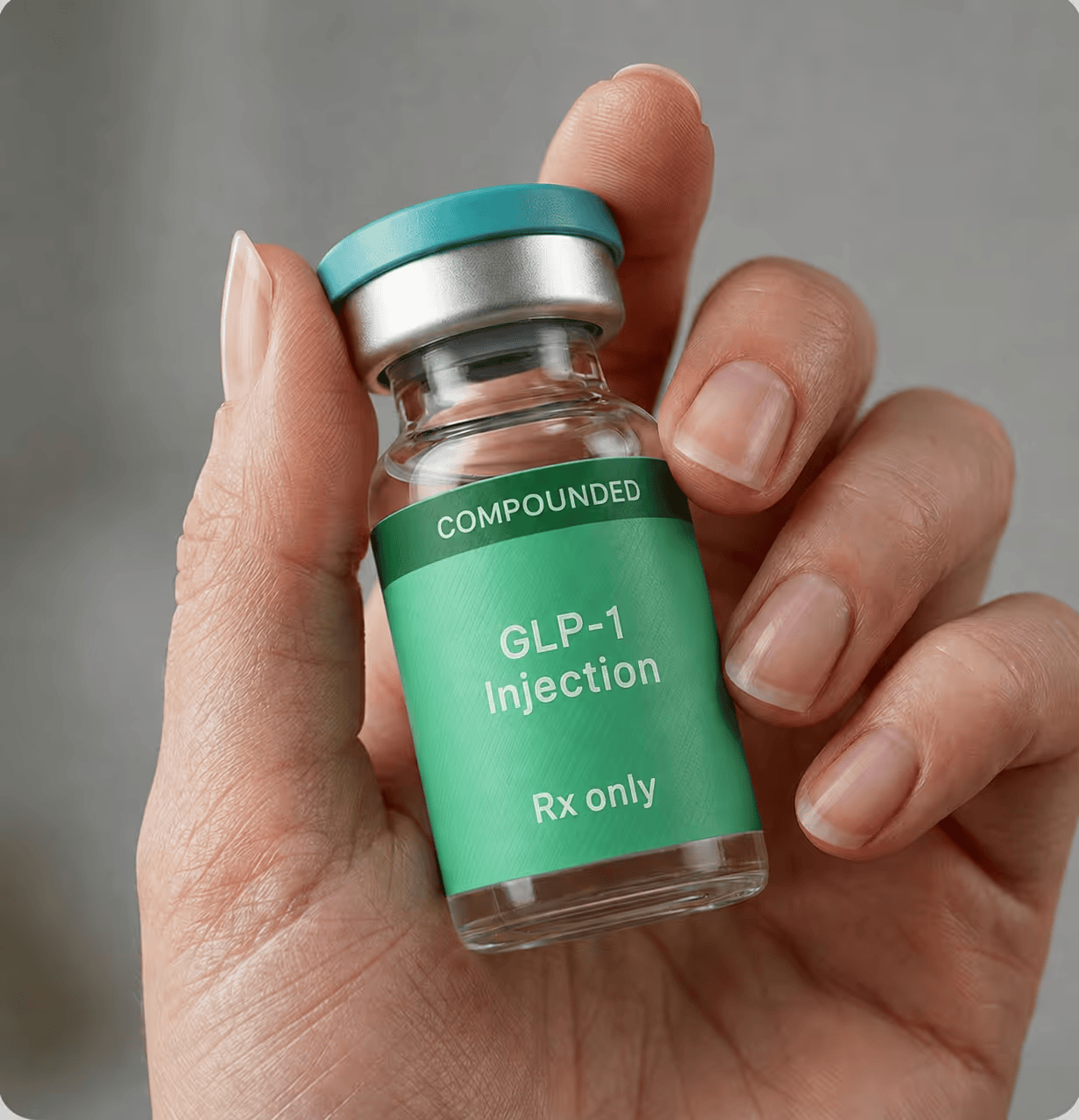
Ivy Rx offers a personalized GLP-1 injections with dosing guidance, diet plans, and an ongoing medical support.
Tips to Maximize Weight Loss Results on Zepbound
A good Zepbound diet plan is about more than food choices. These habits may help you stay consistent and get the most from your treatment.
1. Prioritize Protein at Every Meal
Muscle loss is one of the biggest risks during rapid weight loss. Protein is your best defense. Aim for 20 to 30 grams at each meal and consider a protein shake on days when solid food feels difficult.
- Track your protein intake for the first 2 weeks to build awareness.
- Keep convenient sources on hand: hard-boiled eggs, Greek yogurt, rotisserie chicken.
- If you struggle with solid food, try a protein smoothie with a banana and nut butter.
Losing weight without preserving muscle may slow your metabolism long-term. For many people, switching from semaglutide to tirzepatide improves both appetite tolerance and results.
2. Track What You Eat (At Least Early On)
Zepbound suppresses appetite so effectively that some people eat too little without realizing it. Dropping 1,000 calories below consistently may cause fatigue, hair thinning, and muscle loss.
- Use a simple app to log meals for the first month.
- Pay attention to energy levels and mood as signals of undereating.
- If you frequently forget to eat, set meal reminders.
A moderate 500-calorie deficit is the evidence-based target used in Zepbound clinical trials. Eating too little works against you, not for you.
3. Stay Hydrated Throughout the Day
Dehydration worsens nearly every Zepbound side effect, from constipation to headaches to fatigue. Aim for at least 64 ounces of water daily.
- Sip steadily rather than drinking large amounts at once.
- Add electrolytes if you experience diarrhea or vomiting.
- Herbal tea counts toward your daily total.
Water also helps you distinguish between real hunger and dehydration. Sometimes a glass of water is all you need to feel steady between meals.
4. Move Your Body Regularly
Exercise is not just about burning extra calories. Resistance training protects lean muscle mass, which matters even more during GLP-1 treatment when your body is losing weight rapidly.
- Start with walking 20 to 30 minutes daily.
- Add light resistance training 2 to 3 times per week.
- Adjust intensity based on energy levels, especially after dose increases.
Use the Ivy Rx BMI calculator to track your progress and discuss activity levels with your provider.
5. Plan Meals in Advance
Decision fatigue hits harder when your appetite is unpredictable. Some days you will want to eat. Others, nothing sounds good. Meal prepping removes the guesswork.
- Prep 3 to 4 days of meals at a time.
- Focus on simple combos: protein + vegetable + grain.
- Keep a rotation of 5 to 7 meals you know you tolerate well.
If your progress stalls, discuss options with your provider, including the potential benefits of microdosing GLP-1 as an alternative approach.
For those who are not yet on a regimen, our breakdown on how to get Zepbound outlines what to expect during the clinical evaluation and intake process.
Build a Personalized GLP-1 Plan with Ivy Rx
The best Zepbound diet plan is one built around your body, your appetite, and your tolerance.
A provider who monitors your progress and adjusts your dose makes the difference between struggling through side effects and feeling supported through every stage.
Ivy Rx provides medical evaluation, ongoing dosing guidance, and nutritional support starting at $175 per month with medication delivered to your door.
Start your personalized GLP-1 weight loss plan.
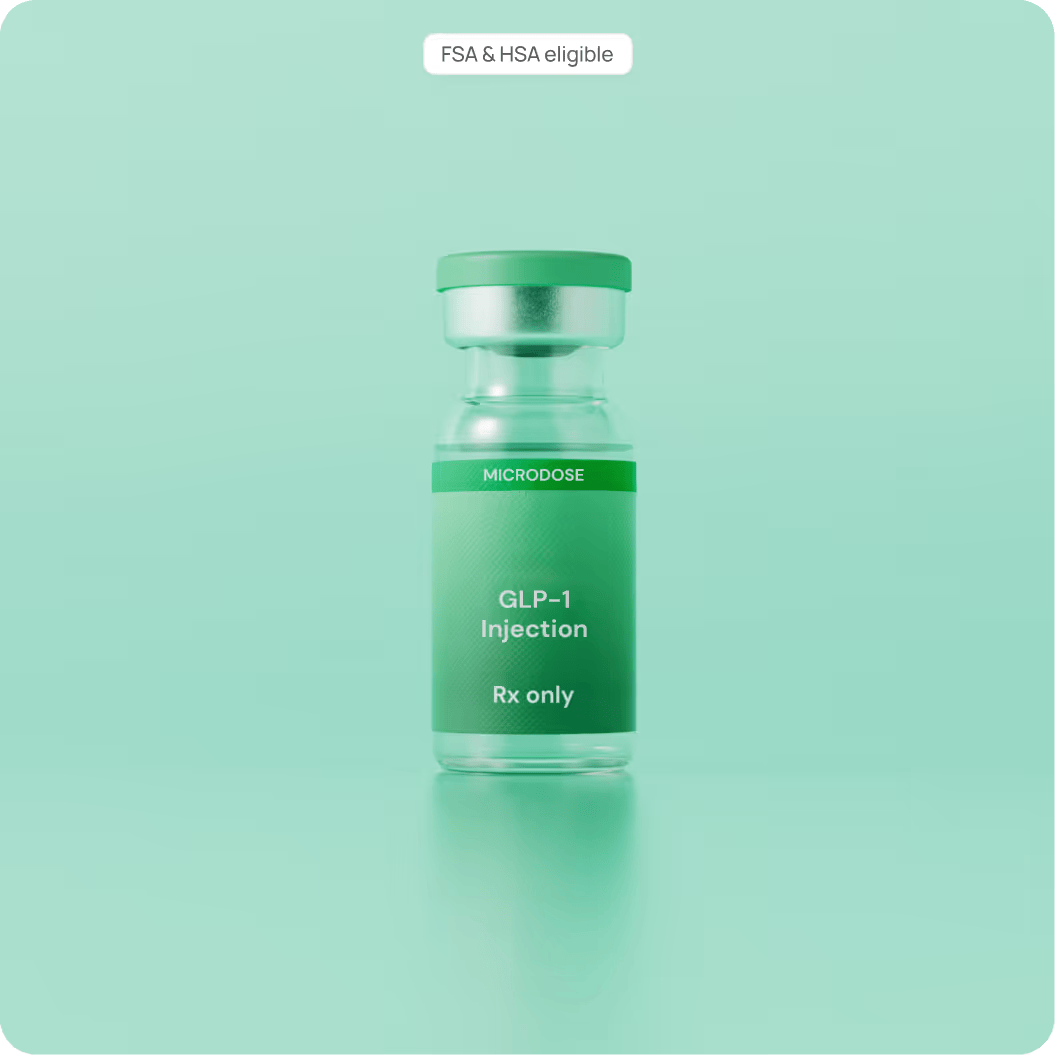
If side effects are a concern, microdose GLP-1 injections offer a lower-dose starting point designed to ease your body in gently.

%25201.avif)

Ivy RX patients
Members of Ivy RX branded medications were paid for their testimonials.
- https://www.accessdata.fda.gov/drugsatfda_docs/label/2023/217806s000lbl.pdf. Accessed 2nd of May, 2026.
Related
Resources
.png)
Zepbound vs Mounjaro: Key Differences, Cost, & Uses (2026)
Compare Zepbound vs Mounjaro, including uses, weight loss results, & side effects. Learn which option fits your health goals.
.avif)
Zepbound vs Semaglutide: Effectiveness, Side Effects, & Cost
Key differences between Zepbound and Semaglutide for weight loss. Learn which medication might be the best fit for your health goals and lifestyle.

Zepbound vs Tirzepatide: Comparison (Key Differences & Which to Choose for Weight Loss)
Compare Zepbound and Tirzepatide for weight loss. Discover their effectiveness, cost, side effects, and how to choose the right option for your health goals.