






.avif)



Article Outline
Lose weight with Metformin


Zepbound vs Metformin Differences, Cost & Which to Choose
If your main goal is weight loss, Zepbound vs metformin is not a close matchup.
Zepbound is built for major weight loss. Metformin is a cheap, well-established diabetes medication that may help some people lose a small amount of weight off-label.
Below, we’ll compare results, blood sugar, side effects, cost, dosing, and patient fit.
Zepbound vs Metformin: A Quick Overview
What Is Zepbound?
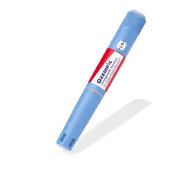
Zepbound is a prescription medication that contains tirzepatide. It works on GIP and GLP-1 receptors, which are involved in appetite, fullness, blood sugar regulation, and digestion.
At a glance:
- Active ingredient: Tirzepatide
- Form: Once-weekly injection
- Primary role: Weight management
- FDA-approved use: Weight reduction and long-term maintenance in eligible adults
- Also approved for: Moderate to severe obstructive sleep apnea in adults with obesity
Zepbound targets metabolic pathways in a way that usually produces much stronger weight-loss results.
What Is Metformin?
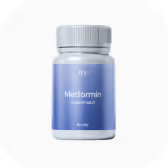
Metformin is an oral prescription medication used to improve blood sugar control in type 2 diabetes. It helps reduce glucose production in the liver and improve how the body responds to insulin.
At a glance:
- Active ingredient: Metformin hydrochloride
- Form: Oral tablet or extended-release tablet
- Primary role: Type 2 diabetes treatment
- FDA-approved use: Improve glycemic control with diet and exercise
- Weight effect: Usually modest, when it happens
Metformin is often used because it is affordable, widely available, and familiar to providers. It is not FDA-approved as a weight-loss medication, even though some patients may lose weight while taking it.
Weight Loss Results Compared
For weight loss, Zepbound is clearly stronger than metformin.
Zepbound: Major Weight Loss
In Zepbound’s 72-week clinical trials, adults without diabetes lost an average of 15.0% to 20.9% of body weight, depending on dose, compared with 3.1% with placebo. In adults with type 2 diabetes, average weight loss was 12.8% to 14.7%, compared with 3.2% with placebo, according to the FDA label.
Real-world anecdotal experience aligns with clinical data. That is why Zepbound is usually the better fit when the main goal is meaningful weight reduction.

Metformin: Modest Weight Loss
Metformin can help some patients lose weight, but the effect is usually smaller.
In the Diabetes Prevention Program, metformin was associated with about 2.1 kg of average weight loss during the original trial period. Longer-term follow-up described metformin-related weight loss as modest but durable in people with elevated fasting glucose and impaired glucose tolerance, according to one study.
For patients comparing these medications primarily for body-weight change, metformin should not be treated as a substitute for Zepbound. It may be useful for diabetes, insulin resistance, prediabetes risk, or cost-sensitive care, but it is not built to drive the same degree of weight loss.

For more context, read semaglutide vs tirzepatide weight loss, how much weight you can lose on semaglutide in 3 months, how fast semaglutide works for weight loss, and metformin weight loss before and after.
Blood Sugar Control Compared
Both drugs can affect blood sugar, but they are used differently.
Zepbound: Strong Metabolic Effects, but Weight-Loss Branding
Tirzepatide can improve blood sugar, but Zepbound’s brand indication is not the same as metformin’s. Zepbound is approved for chronic weight management and obesity-related obstructive sleep apnea. Another tirzepatide brand, Mounjaro, is approved for type 2 diabetes.
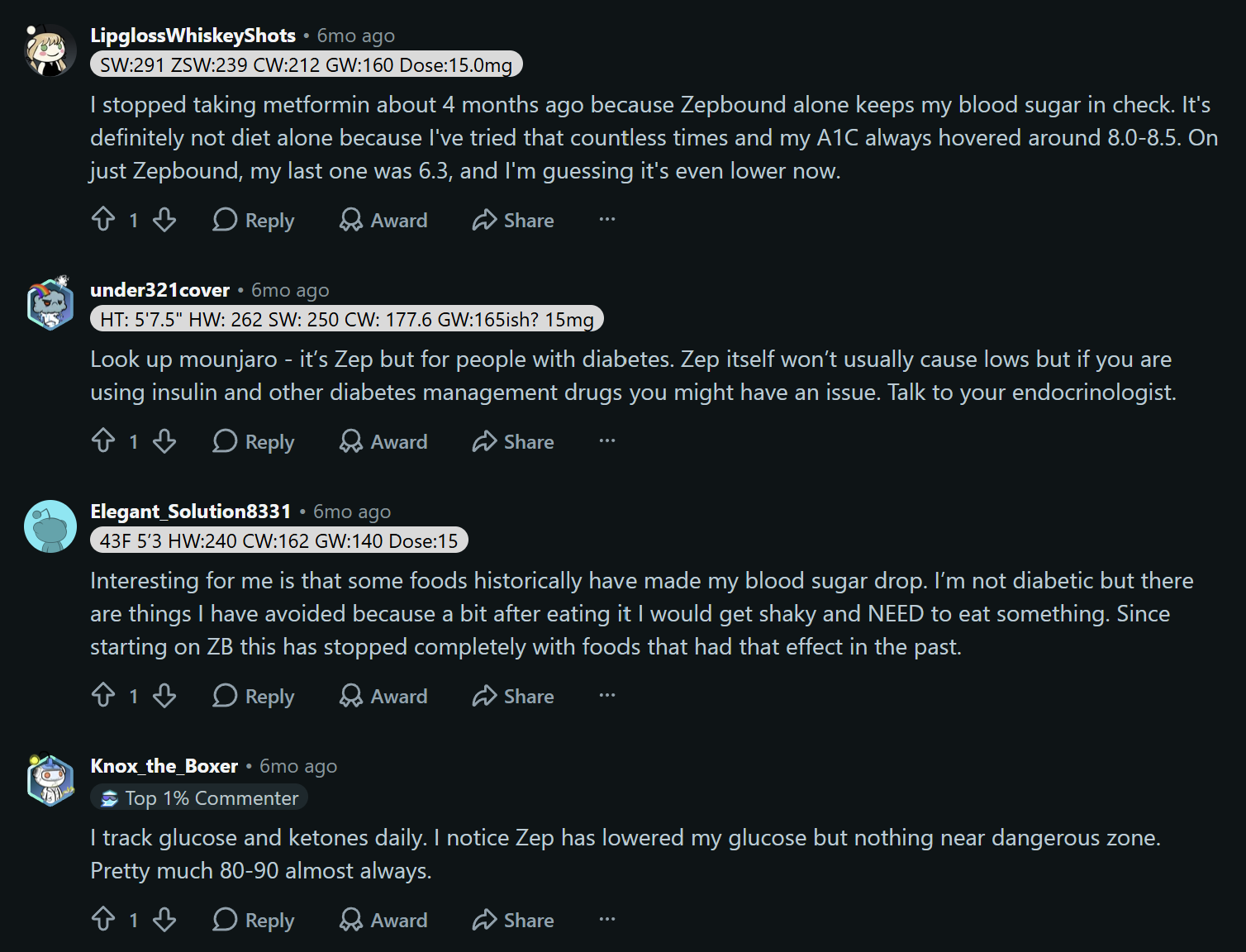
In Zepbound trials that included adults with type 2 diabetes and obesity or overweight, tirzepatide produced both weight loss and A1C improvement. The ADA’s 2026 obesity and diabetes standards also report that tirzepatide produced significant body-weight and A1C reductions in SURMOUNT-2, a 72-week randomized trial in adults with type 2 diabetes and obesity or overweight.
Metformin: Diabetes-First Blood Sugar Support
Metformin is FDA-approved to improve glycemic control in type 2 diabetes. It is commonly used early in diabetes treatment because it is oral, inexpensive, widely available, and has decades of prescribing history.

So, which is better for blood sugar? It depends on the patient.
If the patient needs affordable first-line blood sugar support, metformin often makes sense. If the patient has type 2 diabetes plus obesity and needs stronger weight reduction, a provider may discuss tirzepatide-based treatment, a GLP-1 option, or another diabetes medication depending on goals, kidney function, cardiovascular risk, cost, and coverage.
For related reading, see semaglutide vs metformin for weight loss, Jardiance vs metformin for weight loss, metformin and Ozempic together, and GLP-1 receptor agonists for weight management.
Side Effects Comparison
Both medications can cause digestive side effects, but the overall safety profile is different.
Zepbound is more likely to cause appetite and digestion-related side effects tied to delayed gastric emptying and dose escalation. Metformin is more likely to cause diarrhea, nausea, stomach upset, and long-term vitamin B12 concerns.
Zepbound
Common Zepbound side effects include nausea, diarrhea, vomiting, constipation, abdominal pain, indigestion, injection-site reactions, fatigue, burping, hair loss, and reflux symptoms.

Most GI side effects are more noticeable when starting treatment or increasing the dose. Eating smaller meals, avoiding greasy foods, staying hydrated, and following dose escalation carefully may help.
More serious warnings include thyroid C-cell tumor risk based on animal data, severe GI reactions, pancreatitis, gallbladder disease, kidney injury from dehydration, hypoglycemia when used with insulin or insulin secretagogues, hypersensitivity reactions, and possible aspiration risk during anesthesia or deep sedation.
Zepbound is a strong weight-loss medication, but it is not a casual shortcut. A provider should review personal history, family thyroid cancer history, pancreatitis history, gallbladder history, diabetes medications, pregnancy plans, and surgery timing before treatment.
For more detail, read tirzepatide side effects, how to manage tirzepatide side effects, and whether compounded tirzepatide is safe.
Metformin
Common metformin side effects include diarrhea, nausea, vomiting, gas, indigestion, abdominal discomfort, weakness, and headache.
In one metformin tablet label, diarrhea was reported in 53% of patients and nausea or vomiting in 26% during a clinical trial.
These side effects often improve after the body adjusts. Taking metformin with meals, starting low, increasing slowly, or using extended-release metformin may help some patients tolerate it better.

Metformin also carries a boxed warning for lactic acidosis. This is rare, but serious. Risk is higher in people with severe kidney impairment, liver impairment, heavy alcohol use, certain drug interactions, dehydration, contrast imaging procedures, surgery, hypoxic states, or older age. Metformin can also lower vitamin B12 levels over time, so some patients need monitoring.
Metformin is usually easier to access and cheaper than Zepbound, but it still needs medical screening, especially around kidney function and GI tolerance.
For more detail, read metformin side effects and semaglutide withdrawal symptoms.
Cost Comparison
Zepbound usually costs much more than metformin, but savings programs, insurance, and alternative formulations can change the real out-of-pocket price.
Cost is one reason patients compare these medications, but the cheaper option is not always the right option. Metformin is far less expensive, but it is not designed for major weight loss. Zepbound is stronger for weight reduction, but access and coverage can be harder.
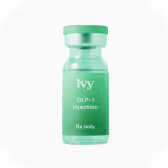
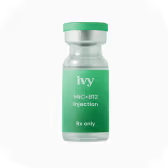
If cost or insurance access is the main barrier, Ivy Rx can help eligible patients review licensed provider-guided weight-loss options. This includes discussing coverage requirements, savings pathways, treatment fit, and alternative formulations depending on eligibility.
Personalized or compounded GLP-1 options are not Zepbound and are not FDA-approved, but they may be discussed when brand access, price, or availability makes treatment harder to start or continue.
For related reading, see tirzepatide cost, how much Mounjaro costs without insurance, how to get weight-loss medication without insurance, weight-loss injection costs, and how to get metformin without insurance.
How Zepbound and Metformin Are Administered
Zepbound is a once-weekly injection. Metformin is an oral tablet usually taken with meals. The dosing experience is very different, so route preference can influence the final choice.
Zepbound
Zepbound is injected under the skin once a week in the abdomen, thigh, or upper arm. The label says it can be taken at any time of day, with or without meals.
Common do’s and don’ts:
- Use it once weekly on the same day when possible.
- Rotate injection sites with each dose.
- Do not use the medication if it looks cloudy, discolored, or has particles.
- Do not share injection devices.
- Follow the dose-escalation schedule instead of jumping doses.
For more detail, see the tirzepatide dosage chart, how to inject semaglutide, microdosing tirzepatide, and the best time of day to take Mounjaro.
Metformin
Metformin is taken by mouth, usually with meals to reduce stomach side effects. Immediate-release tablets may be taken more than once daily, while extended-release versions are often taken once daily.
Common do’s and don’ts:
- Take it with food unless your provider says otherwise.
- Do not crush or split extended-release tablets unless the product instructions allow it.
- Tell your provider about kidney disease, heavy alcohol use, contrast imaging, surgery, or dehydration.
- Ask about vitamin B12 monitoring if taking it long term.
For more detail, see the metformin dosage chart.
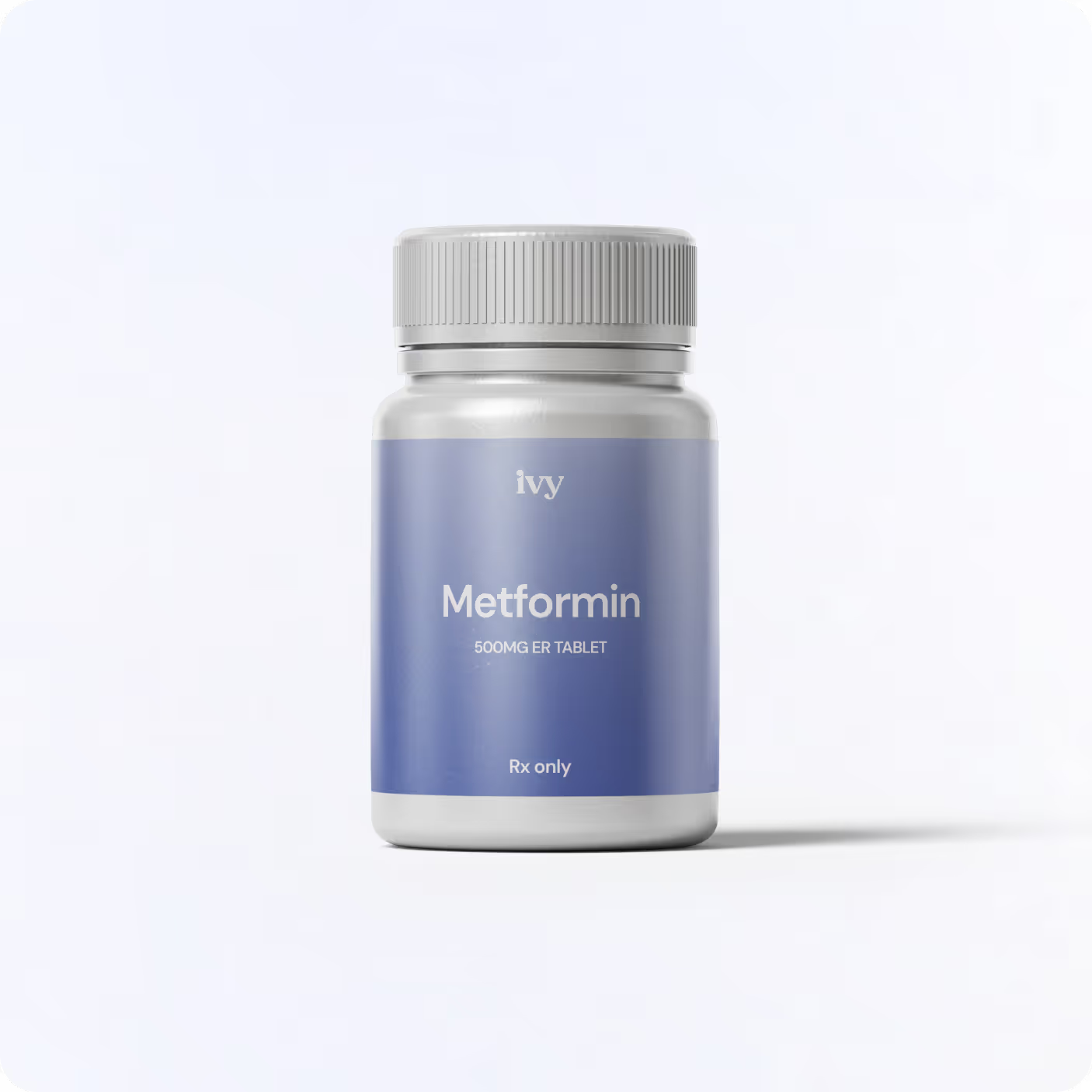
Safety Considerations Before Starting Zepbound (Tirzepatide) and Metformin
Both medications require screening, but for different reasons.
Zepbound
Zepbound safety review focuses on thyroid cancer risk, GI tolerance, gallbladder and pancreas issues, pregnancy, and diabetes medication interactions.
Thyroid Cancer and MEN2 History
Zepbound has a boxed warning for thyroid C-cell tumors based on animal data. It is contraindicated in people with a personal or family history of medullary thyroid carcinoma or MEN2.
Tell your provider if you have a thyroid nodule, thyroid cancer history, family thyroid cancer history, or MEN2 diagnosis. Symptoms such as a neck lump, trouble swallowing, shortness of breath, or persistent hoarseness should be reviewed.
GI, Gallbladder, Pancreas, and Kidney Risks
Zepbound commonly causes nausea, diarrhea, vomiting, constipation, and abdominal discomfort. In some cases, GI side effects can lead to dehydration, which can affect kidney function.
A provider should review any history of pancreatitis, gallbladder disease, severe GI disease, kidney problems, or repeated dehydration. Severe or persistent abdominal pain, especially with vomiting, needs prompt medical guidance.
Pregnancy, Oral Medications, and Procedures
Zepbound is not recommended during pregnancy and should be stopped if pregnancy is recognized. Patients using oral contraceptives may need a non-oral method or barrier method after starting Zepbound and after dose increases, because tirzepatide can affect absorption.
Zepbound also delays gastric emptying, so tell your provider about other oral medications and any planned surgery or procedure requiring anesthesia or deep sedation.
Metformin
Metformin safety review focuses heavily on kidney function, lactic acidosis risk, GI tolerance, and vitamin B12 levels.
Kidney Function and Lactic Acidosis Risk
As mentioned earlier, metformin has a boxed warning for lactic acidosis, which is rare, but serious. Risk is higher in people with significant kidney impairment or conditions that reduce oxygen delivery or increase dehydration risk.
Metformin is contraindicated when eGFR is below 30 mL/min/1.73 m². Providers usually check kidney function before starting and periodically during treatment.
GI Side Effects and Tolerability
Metformin commonly causes diarrhea, nausea, gas, stomach discomfort, and appetite changes. These effects are often worse when starting treatment or increasing the dose.
Taking metformin with meals, starting at a lower dose, increasing gradually, or using extended-release metformin may help. If GI effects are severe or persistent, the plan should be reviewed.
B12, Alcohol, Contrast Imaging, and Surgery
Long-term metformin use can lower vitamin B12 levels in some patients, so providers may monitor B12 if symptoms such as fatigue, numbness, tingling, or anemia appear.
Heavy alcohol use can increase lactic acidosis risk. Metformin may also need to be paused around iodinated contrast imaging, surgery, restricted food or fluid intake, or acute illness, depending on kidney function and clinical context.
For broader safety reading, see Ivy Rx safety information, compounded tirzepatide for weight loss, metformin and pain reduction, semaglutide injection myths, and Ozempic benefits and side effects.
Who Might Choose Zepbound or Metformin?
The right choice depends on whether your priority is major weight loss, blood sugar control, affordability, or treatment format.
- Major weight-loss goal: Zepbound is usually the stronger fit because it is approved for chronic weight management and produces much larger average weight loss.
- Type 2 diabetes-first goal: Metformin may be appropriate as a low-cost oral medication for blood sugar control.
- Obesity plus blood sugar concerns: A provider may discuss tirzepatide-based care, metformin, or both depending on diagnosis, A1C, weight goals, side effects, and coverage.
- Cost-sensitive patient: Metformin is typically cheaper. If the goal is still meaningful weight loss, provider-guided GLP-1 options may be worth reviewing.
- Injection-avoidant patient: Metformin may feel easier because it is oral, but the expected weight-loss effect is smaller.
For more comparisons, read Zepbound vs Mounjaro, Contrave vs Zepbound, Mounjaro alternatives, how to get tirzepatide for weight loss, and prescription weight-loss medication.
Who Shouldn’t Take Zepbound and Metformin?
Some people should avoid one medication completely. Others may still be eligible, but only after a provider reviews their medical history, labs, and current medications.
- Avoid Zepbound: People with a personal or family history of medullary thyroid carcinoma, MEN2, or serious allergy to tirzepatide should not take Zepbound.
- Use extra caution with Zepbound: People with pancreatitis history, severe GI disease, gallbladder disease, kidney concerns, pregnancy plans, or insulin/sulfonylurea use need provider review.
- Avoid metformin: People with eGFR below 30 mL/min/1.73 m², metabolic acidosis, diabetic ketoacidosis, or hypersensitivity to metformin should not take it.
- Use extra caution with metformin: People with kidney risk, liver disease, heavy alcohol intake, heart failure, dehydration, planned contrast imaging, surgery, or B12 deficiency symptoms need provider review.
Neither medication should be started only because it worked for someone else. Eligibility depends on diagnosis, labs, medications, goals, and contraindications.
Can You Switch Between Them?
Yes, sometimes, but switching should be guided by a qualified medical provider.
Zepbound and metformin are not interchangeable. Switching from metformin to Zepbound may make sense if the main goal changes from blood sugar support to weight management. Switching from Zepbound to metformin may make sense if cost, side effects, pregnancy plans, or injection concerns make tirzepatide a poor fit.
Insurance can also affect the decision. Zepbound may require prior authorization, proof of BMI criteria, documentation of weight-related conditions, or savings-program eligibility. Metformin is usually easier to access, but it will not replace Zepbound-level weight-loss results.
Ivy Rx can help eligible patients review provider-guided GLP-1 options, dose titration, treatment fit, and access considerations before making a switch. Some patients may take tirzepatide and metformin together under provider supervision, especially when type 2 diabetes, insulin resistance, and weight management overlap.
Get A Tailored Weight Loss Plan from Ivy Rx
If your main goal is major weight loss, Zepbound is usually the stronger option as opposed to metformin. But the right path still depends on your health history, side-effect tolerance, budget, and eligibility.
Ivy Rx can help eligible patients review provider-guided GLP-1 options, including Personalized GLP-1 Injections that are made in the USA.
FAQs
Is Zepbound the Same as Metformin?
No. Zepbound contains tirzepatide and is a weekly injectable weight-management medication. Metformin is an oral diabetes medication used for blood sugar control.
Can I Take Metformin Instead of Zepbound for Weight Loss?
Sometimes, but expect less weight loss. Metformin may support modest weight loss in some patients, but it is not a substitute for Zepbound-level results.
Is Zepbound or Metformin Better for Type 2 Diabetes?
Usually, metformin is the diabetes-first option. Zepbound is not the type 2 diabetes brand of tirzepatide. Mounjaro is tirzepatide’s diabetes-approved brand.
Who Makes Zepbound?
Eli Lilly makes Zepbound. The active ingredient is tirzepatide, the same active ingredient used in Mounjaro for type 2 diabetes.
Can Zepbound and Metformin Be Taken Together?
Yes, sometimes. A provider may prescribe tirzepatide and metformin together when blood sugar, insulin resistance, and weight management goals overlap.


Ivy RX patients
Members of Ivy RX branded medications were paid for their testimonials.
Related
Resources

Liraglutide Cost in 2026 Prices With & Without Insurance
Liraglutide costs $500 to $1,700 per month without insurance. Generic versions and discount cards can cut costs to under $500 per month.
.jpg)
Glutathione Injections Benefits, Risks & Side Effects (2026)
Do glutathione injections really work? Explore the evidence behind their proposed skin, antioxidant, anti-aging, and wellness benefits.

Ro Weight Loss Review 2026 Cost, Legitimacy & Verdict
Ro weight loss review: the Ro Body program is a legit brand-name GLP-1 service, but a $149/mo membership plus separate medication means $4,000+ a year