





.avif)


Article Outline
Explore Weight Loss Treatments


Liraglutide vs Tirzepatide: Which Is Best for Weight Loss?
If you are comparing liraglutide vs tirzepatide for weight loss, tirzepatide is the stronger option based on current clinical data.
Liraglutide is an older GLP-1 medication with a long track record, but tirzepatide works through two incretin pathways and usually produces larger average weight loss.
Below, we’ll compare how they work, brand names, results, side effects, dosing, cost, and access.
What's the Difference Between Liraglutide and Tirzepatide?
The biggest difference is the mechanism, which explains the difference in weight-loss results, dosing frequency, and how providers think about each medication.
1. Liraglutide Is GLP-1 Only, While Tirzepatide Targets GLP-1 and GIP
Liraglutide is a GLP-1 receptor agonist. It mimics the action of GLP-1, a hormone involved in appetite, digestion, insulin release, and blood sugar regulation. By activating GLP-1 receptors, liraglutide can increase fullness, reduce appetite, slow gastric emptying, and support glucose control.
Tirzepatide is different because it activates two incretin receptors: GIP and GLP-1. GIP stands for glucose-dependent insulinotropic polypeptide. Like GLP-1, it plays a role in metabolic signaling. The dual action is one reason tirzepatide tends to produce stronger weight-loss outcomes than older single-receptor GLP-1 medications.
A simple way to think about it: liraglutide works through one major incretin pathway. Tirzepatide works through two.
For more background, read liraglutide vs semaglutide, GLP-1 receptor agonists for weight management, and semaglutide vs tirzepatide.
2. Their Approved Uses and Brand Names Are Different
Liraglutide and tirzepatide are active ingredients, not brand names. Liraglutide appears under brands such as Victoza for type 2 diabetes and Saxenda for chronic weight management. Tirzepatide appears under Mounjaro for type 2 diabetes and Zepbound for chronic weight management and obesity-related obstructive sleep apnea.
This creates confusion because patients often compare active ingredients, brand names, and use cases at the same time.
For weight loss, the most relevant branded comparison is usually Saxenda vs Zepbound. For type 2 diabetes, it is closer to Victoza vs Mounjaro. For patients exploring access without brand-name coverage, the conversation may shift toward provider-guided compounded or personalized GLP-1 options, depending on eligibility and current regulations.
3. Liraglutide Has More Years of Use, While Tirzepatide Has Stronger Recent Data
Liraglutide has been used for over a decade in diabetes and weight-management care. Its longer track record can be reassuring for patients and providers who value real-world familiarity.
Tirzepatide is newer, but its clinical results have changed expectations for medical weight loss. In trials, tirzepatide has produced weight-loss results that are much larger than older GLP-1-only medications.
So the tradeoff is clear: liraglutide has a longer prescribing history, while tirzepatide has stronger modern weight-loss data and a more convenient weekly dosing schedule. A provider may weigh both factors along with cost, side effects, availability, and medical history.
If you are already taking a GLP-1 and considering a change, read more about switching between GLP-1 agonists.
Brand Names: What Are They Actually Called?
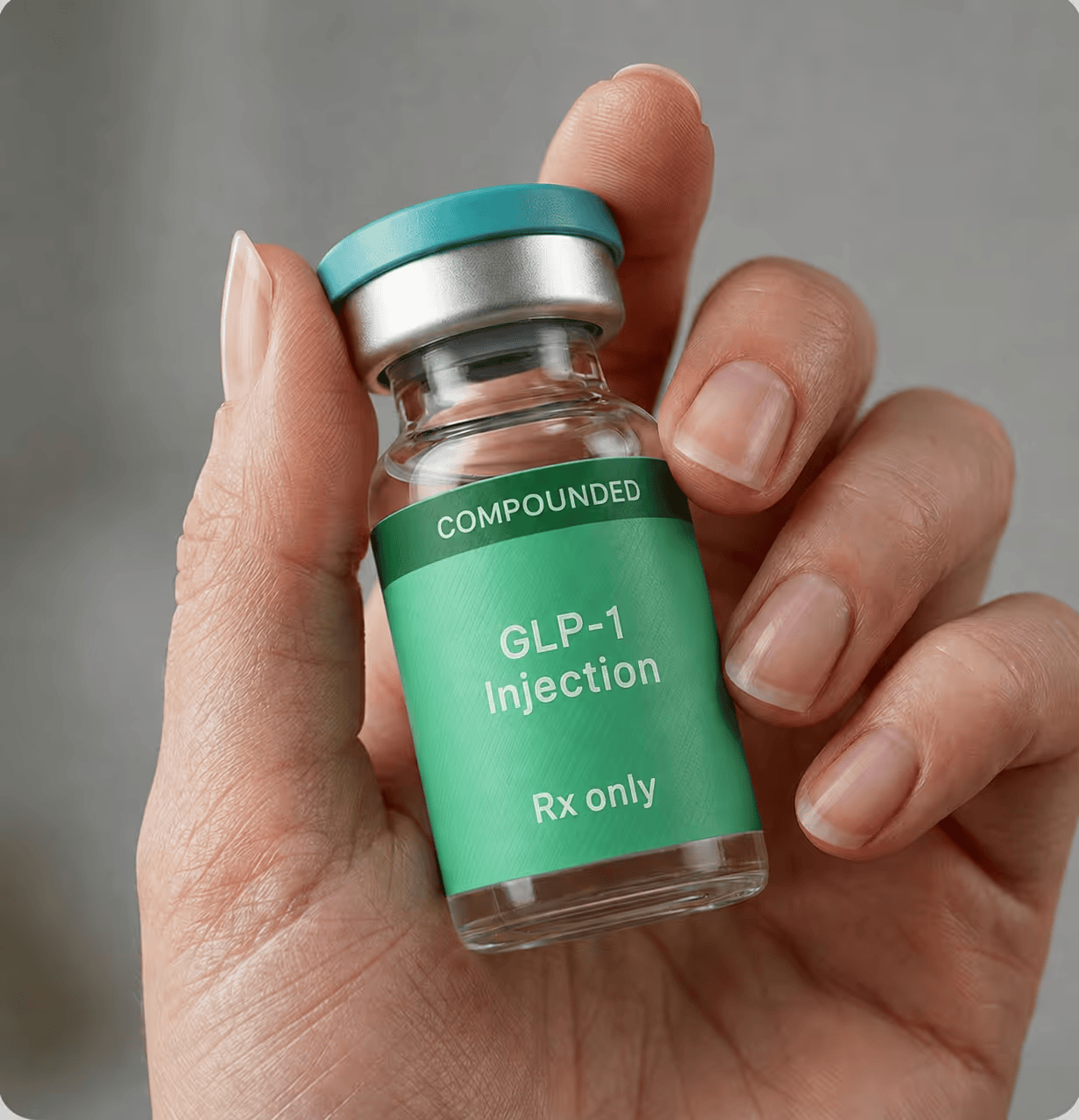
Liraglutide and tirzepatide are easy to confuse because each active ingredient appears under different brand names for different conditions.
An important point: Saxenda is the liraglutide brand most closely tied to weight loss, but many patients now compare tirzepatide options because tirzepatide is weekly and produces stronger average results.
If you are searching for Saxenda specifically, confirm current local availability as it’s being discontinued by its manufacturer Novo Nordisk in certain countries. Also check insurance coverage, and whether newer GLP-1 or GIP/GLP-1 options make more sense.
For related reading, read about Zepbound vs Mounjaro, compounded tirzepatide for weight loss, how to get Victoza, and Zepbound vs tirzepatide.
Weight Loss Comparison: What Does the Clinical Data Say?
Clinical trial data favors tirzepatide for weight loss, but the comparison is indirect because the trials had different designs, populations, and timelines.
The takeaway is not subtle: tirzepatide generally produces greater average weight loss than liraglutide.
Saxenda’s 2026 FDA label reports statistically significant weight loss vs placebo at 56 weeks. Zepbound’s 2026 FDA label reports much larger average reductions over 72 weeks in weight-management trials.
The comparison has limits. These were not identical head-to-head trials. Patients, study duration, background care, diabetes status, and dosing schedules differed. Still, if the question is “which is more effective for weight loss?”, tirzepatide is the clear winner based on available clinical data.
For more context, read semaglutide vs tirzepatide for weight loss, how to get tirzepatide for weight loss, tirzepatide diet plan, retatrutide vs tirzepatide, and how fast semaglutide works for weight loss.
Liraglutide vs Tirzepatide Side Effects: How Do They Compare?
Both medications share a GLP-1 side-effect baseline. Nausea, diarrhea, vomiting, constipation, stomach discomfort, and appetite changes are common because both affect digestion, fullness, and gastric emptying.
The difference is dose schedule, receptor activity, and how each person tolerates treatment.
Liraglutide
Liraglutide side effects are usually digestive. Common Saxenda side effects include nausea, diarrhea, constipation, vomiting, injection-site reactions, low blood sugar, headache, indigestion, fatigue, dizziness, stomach pain, and lipase changes.
Nausea is often most noticeable when starting or increasing the dose. For many patients, GI side effects become easier with gradual titration, smaller meals, hydration, and avoiding high-fat meals. Some patients still find daily injections or ongoing nausea hard to tolerate.
Saxenda also carries important warnings. These include thyroid C-cell tumor risk based on animal data, pancreatitis, gallbladder disease, increased heart rate, acute kidney injury related to dehydration, serious allergic reactions, and hypoglycemia risk in certain patients, especially when combined with diabetes medications that lower blood sugar.
A useful practical point: liraglutide’s daily schedule may make small missed-dose corrections feel less disruptive than a weekly medication, but it also means more frequent injections and more day-to-day treatment friction.
Tirzepatide
Tirzepatide side effects also tend to be digestive. Common Zepbound side effects include nausea, diarrhea, vomiting, constipation, abdominal pain, indigestion, injection-site reactions, fatigue, hypersensitivity reactions, burping, hair loss, and reflux symptoms.
In Zepbound weight-management trials, nausea affected 25% to 29% of patients depending on dose, diarrhea 19% to 23%, vomiting 8% to 13%, and constipation 11% to 17%. The label notes that most nausea, vomiting, and diarrhea happened during dose escalation and decreased over time.
Tirzepatide’s dual GIP and GLP-1 mechanism may improve weight-loss potency, but stronger results do not mean every patient tolerates it better. Some people do very well with weekly tirzepatide. Others need slower titration, dose adjustments, or symptom support.
More serious warnings include thyroid C-cell tumor risk based on animal data, pancreatitis, gallbladder disease, severe GI reactions, kidney injury from dehydration, hypoglycemia when used with insulin or sulfonylureas, hypersensitivity reactions, oral medication absorption concerns, and aspiration risk during anesthesia or deep sedation.
If nausea or GI discomfort gets in the way of treatment, provider-guided support may help. Ivy Rx can help eligible patients review GLP-1 side effects, dosing, and treatment fit with a licensed provider.
For more support, read tirzepatide side effects, how to manage tirzepatide side effects, whether compounded tirzepatide is safe, Ozempic benefits and side effects, and anti-nausea tablets.
Dosing and Practical Differences Between Liraglutide and Tirzepatide
The headline difference is simple: liraglutide is injected daily, while tirzepatide is injected weekly. That can affect convenience, adherence, missed-dose planning, and how patients feel about long-term treatment.
Daily injections give liraglutide a more frequent routine. Some patients like that because it feels easier to restart after a missed day. Others find daily injections harder to maintain.
Weekly tirzepatide is usually more convenient. But because the dose covers a full week, timing, dose escalation, and missed-dose instructions are important considerations. Patients should follow the label and provider plan instead of improvising.
For related guidance, read the tirzepatide dosage chart, best time of day to take Mounjaro, microdosing tirzepatide, Ozempic dosing, and how to inject semaglutide.
Cost Comparison: What You'll Actually Pay in 2026
Cost depends on whether you are using a brand-name medication, insurance coverage, an FDA-approved generic, or a provider-guided compounded option.
The biggest change for liraglutide is that brand Saxenda is no longer the only FDA-approved weight-loss liraglutide route.
Liraglutide
Liraglutide cost depends on whether the prescription is for Victoza, Saxenda, generic liraglutide, or a compounded formulation.
Saxenda is the liraglutide brand approved for chronic weight management, but its savings offer is discontinued for new enrollees. That can make brand-name Saxenda harder to access affordably for many patients.
However, FDA-approved generic liraglutide for weight management is now available in the U.S. The FDA’s 2025 first-generic approval list includes liraglutide injection referencing Saxenda for long-term weight reduction in eligible adults and adolescents.
The takeaway: liraglutide may be cheaper than tirzepatide in some generic or compounded pathways, but it usually produces less average weight loss and requires daily injections.
Tirzepatide
Tirzepatide is usually more expensive, but it is also the stronger weight-loss option.
For branded tirzepatide, Zepbound is the weight-management brand and Mounjaro is the type 2 diabetes brand. Current Lilly self-pay options for Zepbound start at $299/month for 2.5 mg, $399/month for 5 mg, and $449/month for 7.5 mg and higher doses under program rules. Insurance coverage varies and may require prior authorization.
Ivy Rx’s tirzepatide-based Personalized GLP-1 Injection plans start as low as $197/month with a 12-month plan billed upfront.
A licensed provider can help compare brand savings programs, insurance requirements, alternative formulations, side-effect history, and dose needs before deciding which pathway is realistic.
For more detail, read tirzepatide cost, how much Mounjaro costs without insurance, how to get Mounjaro without insurance, how to get GLP-1 without insurance, and how to get weight-loss medication without insurance.
Liraglutide vs Tirzepatide: Which Is Right for You?
For weight loss, tirzepatide is usually the stronger choice. It works through both GIP and GLP-1 receptors, is dosed weekly, and produces larger average weight-loss results in clinical trials.
Liraglutide may still be worth discussing if you prefer a longer-established GLP-1, need a daily option, have access to generic liraglutide, or cannot tolerate or access tirzepatide.
If cost or insurance is the barrier, Ivy Rx can help eligible patients review provider-guided GLP-1 options, including Personalized GLP-1 Injections that are made in the USA.
FAQs
Is Tirzepatide More Effective Than Liraglutide for Weight Loss?
Yes. Tirzepatide generally produces more average weight loss than liraglutide in clinical trials, although the evidence comes from different trials and populations.
What Is Liraglutide's Brand Name?
Liraglutide’s main brand names are Victoza for type 2 diabetes and Saxenda for chronic weight management. Generic liraglutide products may also be available.
How Often Do You Inject Liraglutide vs Tirzepatide?
Liraglutide is injected once daily. Tirzepatide is injected once weekly, which is one of its biggest practical advantages for many patients.
Can I Get Tirzepatide Without Insurance?
Yes, sometimes. Options may include brand self-pay programs, cash-pay pharmacy routes, or provider-guided personalized GLP-1 treatment, depending on eligibility and current availability.
Is Compounded Liraglutide Still Available?
Sometimes. Compounded liraglutide availability depends on pharmacy, regulation, and eligibility. FDA-approved generic liraglutide for weight management is also now available in the U.S.


Ivy RX patients
Members of Ivy RX branded medications were paid for their testimonials.
- https://www.accessdata.fda.gov/drugsatfda_docs/label/2026/206321s025lbl.pdf
- https://www.accessdata.fda.gov/drugsatfda_docs/label/2026/217806s042lbl.pdf
- https://www.fda.gov/drugs/drug-and-biologic-approval-and-ind-activity-reports/2025-first-generic-drug-approvals
- https://www.fda.gov/drugs/postmarket-drug-safety-information-patients-and-providers/fdas-concerns-unapproved-glp-1-drugs-used-weight-loss
- https://www.fda.gov/news-events/press-announcements/fda-proposes-exclude-semaglutide-tirzepatide-and-liraglutide-503b-bulks-list
Related
Resources

Liraglutide Cost in 2026 Prices With & Without Insurance
Liraglutide costs $500 to $1,700 per month without insurance. Generic versions and discount cards can cut costs to under $500 per month.
.jpg)
Glutathione Injections Benefits, Risks & Side Effects (2026)
Do glutathione injections really work? Explore the evidence behind their proposed skin, antioxidant, anti-aging, and wellness benefits.

Ro Weight Loss Review 2026 Cost, Legitimacy & Verdict
Ro weight loss review: the Ro Body program is a legit brand-name GLP-1 service, but a $149/mo membership plus separate medication means $4,000+ a year