






.avif)



Article Outline
Explore Weight Loss Treatments


Ozempic vs Contrave Key Differences for Weight Loss (2026)
Ozempic and Contrave both help with weight loss, but when deciding between Ozempic vs Contrave, it’s good to know how these drugs work differently.
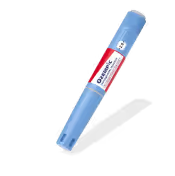
Ozempic is a once-weekly semaglutide injection approved for type 2 diabetes. Contrave is a daily oral weight-management medication that combines naltrexone and bupropion.
Below, we’ll compare how they work, results, side effects, safety, cost, and which profile may fit each option.
What Is Ozempic?
Ozempic is a prescription medication that contains semaglutide. Semaglutide is a GLP-1 receptor agonist, which means it acts like a gut hormone involved in blood sugar control, appetite, and digestion.
Ozempic is FDA-approved for adults with type 2 diabetes to improve blood sugar with diet and exercise. It is also approved to reduce certain cardiovascular and kidney risks in specific adults with type 2 diabetes, according to its prescribing label.
Ozempic is often used off-label for weight loss, but it is not the semaglutide brand approved specifically for chronic weight management. Wegovy is the weight-loss-approved semaglutide product.
If you are comparing Ozempic for weight loss, the bigger question is usually whether a semaglutide-based plan is appropriate. Learn more about GLP-1 vs Ozempic, Ozempic and semaglutide safety, and what semaglutide does to your body.
What Is Contrave?
Contrave is a prescription weight-management medication that combines two active ingredients: naltrexone and bupropion.
Naltrexone is an opioid antagonist. Bupropion is an antidepressant also used in smoking-cessation treatment. Together, they are believed to affect brain pathways involved in hunger, cravings, and reward-driven eating.
Contrave is FDA-approved as an add-on to a reduced-calorie diet and increased physical activity for chronic weight management in adults with obesity, or adults with overweight and at least one weight-related condition, according to its prescribing label.
Contrave is an oral tablet, not an injection. That can appeal to patients who are uncomfortable with needles or who want a medication that focuses more on cravings than gut-hormone signaling.
For more comparisons, read Contrave vs semaglutide, Contrave vs Mounjaro, and Contrave alternatives.
Core Differences Between Ozempic and Contrave
Ozempic and Contrave are not competing versions of the same medication. They have different mechanisms, routes, approvals, side effects, and patient-fit profiles.
1. Mechanism: GLP-1 Signaling vs Brain Reward Pathways
Ozempic works through GLP-1 receptors. It helps regulate blood sugar, slows gastric emptying, increases fullness, and can reduce appetite. For many patients, this can lower calorie intake without relying only on willpower.
Contrave works differently. Bupropion and naltrexone affect central nervous system pathways related to appetite, cravings, and reward. This may be especially relevant for patients who describe emotional eating, reward-driven snacking, or intense cravings.
The practical difference: Ozempic is more gut-hormone and metabolic pathway focused. Contrave is more brain-craving pathway focused.
2. Route: Weekly Injection vs Daily Oral Tablets
Ozempic is injected once weekly under the skin, usually in the abdomen, thigh, or upper arm. Some patients prefer this because it is once a week and does not require daily pills. Others dislike the idea of self-injection.
Contrave is taken as oral tablets, usually increased gradually over several weeks until the maintenance dose is reached. It may feel easier for needle-phobic patients, but daily dosing can be harder for people who forget pills.
Route does not decide the best medication on its own. A provider should consider your health history, side-effect tolerance, weight-loss goals, diabetes status, other medications, and cost.
3. FDA Indication: Type 2 Diabetes vs Weight Management
Ozempic is approved for type 2 diabetes-related use. Weight loss can happen with Ozempic, but the product itself is not FDA-approved for chronic weight management.
Contrave is approved for chronic weight management, but it is not a diabetes medication and does not work like a GLP-1.
This is why the better comparison is often not “Ozempic or Contrave?” but “GLP-1-based care or oral craving-focused weight-loss medication?”
For broader GLP-1 comparisons, review semaglutide vs tirzepatide, GLP-1 receptor agonists for weight management, phentermine vs semaglutide, and semaglutide alternatives.
Weight Loss Results Compared: Ozempic vs Contrave
Average weight-loss results are generally stronger with semaglutide than with Contrave, but the exact comparison needs context.
Ozempic doses are studied primarily for type 2 diabetes. For weight management, the more relevant semaglutide data comes from Wegovy 2.4 mg. In the STEP 1 trial, adults without diabetes taking semaglutide 2.4 mg lost an average of 14.9% of body weight at 68 weeks, compared with 2.4% with placebo.
Contrave’s label reports 56-week trial results. In COR-I, patients taking Contrave lost an average of 5.4% of body weight compared with 1.3% with placebo. About 42% of Contrave patients lost at least 5% of body weight compared with 17% on placebo.
So if the main goal is stronger average weight loss, semaglutide-based treatment usually has the edge. If the main issue is cravings, emotional eating, pill preference, or GLP-1 ineligibility, Contrave may still be worth discussing.
Side Effects: What to Expect from Each
Both drugs can cause meaningful side effects, but they tend to affect different systems.
Ozempic is more likely to cause digestive side effects. Contrave is more likely to cause nausea, sleep changes, mood-related effects, blood-pressure effects, and other central nervous system symptoms.
Ozempic Side Effects
Common Ozempic side effects include nausea, vomiting, diarrhea, abdominal pain, and constipation. These are common across GLP-1 medications and often appear during initiation or dose increases.
For many patients, GI symptoms improve as the body adjusts. Smaller meals, slower eating, hydration, and provider-guided dose changes may help. Severe or persistent vomiting, dehydration, or abdominal pain should be reviewed promptly.
Ozempic also carries important warnings. Its label includes a boxed warning for thyroid C-cell tumors based on rodent data and says Ozempic is contraindicated in patients with a personal or family history of medullary thyroid carcinoma or MEN2.
Other warnings include pancreatitis, diabetic retinopathy complications, hypoglycemia risk when used with insulin or insulin secretagogues, acute kidney injury from volume depletion, severe GI reactions, gallbladder disease, hypersensitivity reactions, and aspiration risk during anesthesia or deep sedation.
For side-effect support, read Ozempic benefits and side effects, semaglutide headache, and semaglutide withdrawal symptoms.
Contrave Side Effects
Common Contrave side effects include nausea, constipation, headache, vomiting, dizziness, insomnia, dry mouth, and diarrhea.
Some early side effects may improve after dose escalation, but others may require a provider review. Contrave can raise blood pressure and heart rate, so it is not appropriate for patients with uncontrolled hypertension. It can also increase seizure risk and is contraindicated in patients with seizure disorder.
Contrave has a boxed warning for suicidal thoughts and behaviors because it contains bupropion. The label advises monitoring for worsening depression, suicidal thoughts, or unusual behavior changes.
Contrave also includes naltrexone, so it is not appropriate for people using chronic opioids. It can block opioid pain medications and may trigger withdrawal in opioid-dependent patients.
The main takeaway is not that Contrave is unsafe. It is that the screening questions are different from Ozempic. A provider needs to review blood pressure, seizure history, mental health history, opioid use, alcohol use, and other medications before prescribing.
If nausea is getting in the way of treatment, provider-guided symptom support may help. Ivy Rx can help eligible patients review side effects, medication fit, and GLP-1 options with a licensed provider.
Cost Comparison: What You'll Actually Pay in 2026
Cost is where Ozempic and Contrave differ sharply. Ozempic is usually much more expensive without coverage, although manufacturer self-pay programs can reduce the price for eligible patients. Contrave is often lower-cost, especially through its savings or home-delivery programs.
Ozempic
Ozempic has several cost pathways:
Ozempic’s list price does not necessarily reflect what every patient pays. Some patients pay less through insurance, manufacturer savings, or pharmacy programs. Others pay close to full price if they do not meet coverage requirements.
If you are comparing Ozempic for weight loss rather than diabetes care, ask a provider whether a semaglutide-based weight-loss plan is the better conversation. Ivy Rx’s Personalized GLP-1 Injections, which are made in the USA, include semaglutide options for eligible patients, with plans starting as low as $97/month with a 12-month plan billed upfront.
For more detail, read how to get Ozempic without insurance, whether Blue Cross covers Ozempic, and whether Medicaid covers Ozempic.
Contrave
Contrave also has several cost pathways:
Contrave is often less expensive than Ozempic without insurance. It is also an oral medication, which may reduce administration barriers for patients who prefer pills.
The tradeoff is that average weight-loss results are usually lower than semaglutide-based treatment, and the safety screening is different. Contrave may be a reasonable option for some patients, especially when cravings or reward-driven eating are central concerns, but it is not simply a cheaper version of Ozempic.
If cost or insurance access is driving your decision, it may help to compare all realistic pathways: brand-name GLP-1s, personalized semaglutide care, Contrave, separate generic naltrexone/bupropion when clinically appropriate, and other weight-loss medications.
Read more about how to get weight-loss medication without insurance.
For patients who want stronger average weight-loss results but are concerned about brand-name cost, Ivy Rx can help eligible patients review personalized GLP-1 options with a licensed provider.
Who Might Consider Ozempic or Contrave?
The right medication depends on diagnosis, health history, eating patterns, side-effect risk, route preference, and cost.
Do not treat this information as a recommendation. A provider should decide based on your medical history and current medications.
If you are exploring GLP-1 treatment, read how to get approved for semaglutide, semaglutide for PCOS, metformin and Ozempic together, and how to get semaglutide.
Who Shouldn't Take Either Medication?
Some patients should avoid one or both options. Others may need specialist review before starting.
For Ozempic, the thyroid cancer warning is based on animal data, but the contraindication still applies. Patients using insulin or sulfonylureas also need blood-sugar monitoring because GLP-1 drugs can increase hypoglycemia risk when combined with those medications.
For Contrave, the bupropion component creates extra caution around seizures, mood changes, suicidal thoughts, blood pressure, and medication interactions. The naltrexone component makes opioid use a major issue.
Do not combine weight-loss medications on your own. Contrave’s prescribing information says the safety and effectiveness of using it with other weight-loss products have not been established.
For more safety context, read whether Ozempic and semaglutide are safe, whether compounded semaglutide is safe, and what to do if semaglutide is not working.
Get Started on the Right Weight Loss Medication with Ivy Rx
Ozempic and Contrave can both support weight-related care in the right patient, but they are not interchangeable.
If you are comparing weekly GLP-1 treatment with oral weight-loss medication, Ivy Rx can help eligible patients review a provider-guided plan based on goals, health history, side-effect tolerance, and budget. Personalized GLP-1 Injections may be an option for patients seeking semaglutide-based care without brand-name cost barriers.
Explore Personalized GLP-1 Injections today.
FAQs
Is Ozempic Better Than Contrave for Weight Loss?
Often, semaglutide-based treatment produces stronger average weight loss. Contrave may still fit patients who prefer pills or need craving-focused support.
Can I Take Ozempic and Contrave Together?
Only if a qualified provider specifically recommends it. Contrave’s label says safety and effectiveness with other weight-loss products have not been established.
Is Contrave a GLP-1 Medication Like Ozempic?
No. Contrave combines naltrexone and bupropion. Ozempic contains semaglutide, a GLP-1 receptor agonist.
Which Is Cheaper, Ozempic or Contrave?
Usually, Contrave. Current Contrave savings pathways may bring eligible patients to $99/month, while Ozempic can cost much more without coverage, though NovoCare self-pay offers may reduce costs for eligible patients.
Can I Switch From Contrave to Ozempic or Vice Versa?
Yes, sometimes. Switching should be provider-guided because the medications have different mechanisms, side effects, contraindications, and dosing schedules.


Ivy RX patients
Members of Ivy RX branded medications were paid for their testimonials.
Related
Resources

Liraglutide Cost in 2026 Prices With & Without Insurance
Liraglutide costs $500 to $1,700 per month without insurance. Generic versions and discount cards can cut costs to under $500 per month.
.jpg)
Glutathione Injections Benefits, Risks & Side Effects (2026)
Do glutathione injections really work? Explore the evidence behind their proposed skin, antioxidant, anti-aging, and wellness benefits.

Ro Weight Loss Review 2026 Cost, Legitimacy & Verdict
Ro weight loss review: the Ro Body program is a legit brand-name GLP-1 service, but a $149/mo membership plus separate medication means $4,000+ a year